Fiber optic pigtails have revolutionized the field of telecommunications and data transmission with their high - speed, low - loss, and immunity to electromagnetic interference. As a leading supplier of fiber optic pigtails, I often receive inquiries about their potential use in aviation and aerospace applications. In this blog, I will explore whether fiber optic pigtails can indeed be used in these highly specialized and demanding sectors.
The Basics of Fiber Optic Pigtails
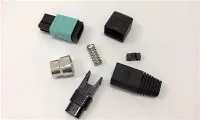
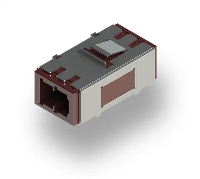
Before delving into aviation and aerospace applications, let's briefly review what fiber optic pigtails are. A fiber optic pigtail is a short length of fiber optic cable with a connector pre - attached at one end. The other end is left bare for splicing to another fiber cable. There are various types of connectors available, such as Fiber Optic SC Pigtail, Fiber Optic ST Pigtails, and Fiber Optic LC Pigtails. These pigtails are used to terminate fiber optic cables, making it easier to connect different components in a fiber optic network.


Requirements in Aviation and Aerospace
Aviation and aerospace applications have extremely stringent requirements due to the harsh operating environments and the need for high - reliability systems. Some of the key requirements include:
- Vibration and Shock Resistance: Aircraft and spacecraft are subject to significant vibrations and shocks during takeoff, flight, and landing. Any components used must be able to withstand these mechanical stresses without failure.
- Temperature and Humidity Tolerance: These vehicles operate in a wide range of temperatures, from the extreme cold of high altitudes to the heat generated by on - board equipment. Additionally, humidity can vary greatly, and components must be resistant to moisture - related damage.
- Electromagnetic Compatibility (EMC): With the increasing use of electronic systems in aviation and aerospace, electromagnetic interference (EMI) can be a major problem. Components need to be designed to minimize EMI and be immune to external interference.
- Lightweight and Compact Design: Weight is a critical factor in aviation and aerospace, as it directly affects fuel efficiency and payload capacity. Components should be as lightweight and compact as possible without sacrificing performance.
- High - Speed Data Transmission: Modern aircraft and spacecraft rely on high - speed data transmission for various functions, such as communication, navigation, and sensor data processing.
Advantages of Fiber Optic Pigtails in Aviation and Aerospace
Fiber optic pigtails offer several advantages that make them suitable for aviation and aerospace applications:
- High - Speed Data Transmission: Fiber optic cables can transmit data at extremely high speeds, much faster than traditional copper cables. This is essential for applications that require real - time data transfer, such as flight control systems and in - flight entertainment.
- Immunity to Electromagnetic Interference: Since fiber optic cables use light to transmit data, they are immune to EMI. This makes them ideal for use in environments where there are many electronic systems generating electromagnetic fields.
- Lightweight: Compared to copper cables, fiber optic cables are much lighter. This helps to reduce the overall weight of the aircraft or spacecraft, leading to improved fuel efficiency.
- Low Signal Loss: Fiber optic cables have very low signal loss over long distances, which means that data can be transmitted over greater lengths without the need for frequent signal boosters.
Challenges and Solutions
Despite their advantages, there are also some challenges associated with using fiber optic pigtails in aviation and aerospace:
- Mechanical Durability: As mentioned earlier, aviation and aerospace environments are subject to vibrations and shocks. To address this, fiber optic pigtails can be designed with ruggedized connectors and protective jackets to enhance their mechanical durability.
- Temperature and Humidity Resistance: Specialized coatings and materials can be used to protect the fiber optic cables from extreme temperatures and humidity. For example, hermetically sealed connectors can prevent moisture from entering the cable.
- Installation and Maintenance: Installing and maintaining fiber optic pigtails requires specialized skills and equipment. Training programs can be provided to ensure that technicians are properly trained to handle these components.
Current Applications in Aviation and Aerospace
Fiber optic pigtails are already being used in some aviation and aerospace applications:
- In - Flight Entertainment Systems: Many modern aircraft are equipped with in - flight entertainment systems that use fiber optic pigtails to transmit high - definition video and audio signals to passengers' seats.
- Flight Control Systems: Fiber optic cables are used in flight control systems to transmit data between sensors, actuators, and the flight computer. The high - speed and reliable data transmission provided by fiber optic pigtails is crucial for the safe operation of the aircraft.
- Satellite Communication: In the aerospace industry, fiber optic pigtails are used in satellite communication systems to transmit data between different components of the satellite and to ground stations.
Future Prospects
The use of fiber optic pigtails in aviation and aerospace is expected to grow in the future. As the demand for high - speed data transmission and reliable communication systems continues to increase, fiber optic technology will become even more important. Additionally, ongoing research and development efforts are focused on improving the performance and durability of fiber optic pigtails in these challenging environments.
Conclusion
In conclusion, fiber optic pigtails can indeed be used in aviation and aerospace applications. Their high - speed data transmission, immunity to electromagnetic interference, lightweight design, and low signal loss make them well - suited for these demanding environments. While there are some challenges associated with their use, these can be overcome through proper design, installation, and maintenance.
If you are interested in exploring the use of fiber optic pigtails in your aviation or aerospace projects, I encourage you to contact us for more information. Our team of experts can provide you with detailed product specifications, technical support, and customized solutions to meet your specific requirements.
References
- "Fiber Optic Communication Systems" by Govind P. Agrawal
- "Aerospace Electronics Handbook" edited by Henry E. Everitt
- Industry reports on aviation and aerospace technology trends