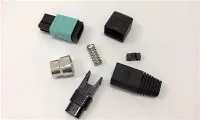
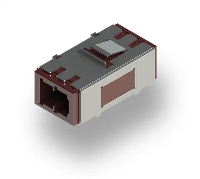
Fiber optic PLC (Planar Lightwave Circuit) splitters are crucial components in modern fiber optic communication networks. They are used to distribute optical signals from a single input fiber to multiple output fibers, enabling efficient data transmission across various nodes. The sheath material of a fiber optic PLC splitter plays a significant role in determining its performance and protection capabilities. As a fiber optic PLC splitter supplier, I have witnessed firsthand how different sheath materials can impact the overall functionality of these devices.
Performance Impact of Sheath Materials
Optical Performance
The sheath material can have a direct impact on the optical performance of a fiber optic PLC splitter. One of the key factors is the attenuation of the optical signal. Some sheath materials may introduce additional losses due to their absorption or scattering properties. For example, if the sheath material has a high refractive index mismatch with the surrounding environment, it can cause light to scatter at the interface, leading to increased attenuation.
In addition, the sheath material can affect the polarization-dependent loss (PDL) of the splitter. PDL is a measure of how the splitting ratio varies with the polarization state of the input light. Certain materials may have anisotropic properties that can cause different polarization states to experience different losses, resulting in a higher PDL. This can be particularly problematic in applications where polarization sensitivity is critical, such as in high-speed data transmission or fiber optic sensing systems.
Mechanical Performance
The mechanical properties of the sheath material are also important for the performance of the fiber optic PLC splitter. The sheath provides physical protection to the delicate optical components inside, and its ability to withstand mechanical stress is crucial. For instance, in outdoor applications, the splitter may be exposed to harsh environmental conditions, including temperature variations, humidity, and mechanical vibrations. A sheath material with good mechanical strength and flexibility can prevent damage to the splitter due to these factors.


The durability of the sheath material is also a key consideration. Over time, the sheath may be subject to wear and tear, especially in applications where the splitter is frequently handled or installed in tight spaces. A high-quality sheath material should be able to resist abrasion, chemical corrosion, and UV radiation, ensuring a long service life for the splitter.
Protection Capabilities of Sheath Materials
Environmental Protection
The sheath material serves as a barrier against environmental factors that can damage the fiber optic PLC splitter. In outdoor environments, the splitter may be exposed to moisture, dust, and extreme temperatures. A waterproof and dustproof sheath material can prevent water and dust from entering the splitter, protecting the optical components from corrosion and contamination.
Temperature variations can also have a significant impact on the performance of the splitter. Some sheath materials have good thermal insulation properties, which can help to maintain a stable operating temperature inside the splitter. This is particularly important in applications where the splitter is installed in areas with large temperature fluctuations, such as in industrial settings or on rooftops.
Physical Protection
The sheath material provides physical protection to the splitter from mechanical damage. It can absorb shocks and vibrations, preventing the delicate optical components from being damaged during handling, installation, or operation. For example, a flexible and shock-absorbing sheath material can protect the splitter from impact forces if it is accidentally dropped or bumped.
In addition, the sheath material can also protect the splitter from physical intrusion. In some applications, the splitter may be installed in areas where it is vulnerable to vandalism or tampering. A tough and durable sheath material can make it more difficult for unauthorized individuals to access or damage the splitter.
Different Sheath Materials and Their Characteristics
PVC (Polyvinyl Chloride)
PVC is a commonly used sheath material for fiber optic PLC splitters. It is relatively inexpensive and has good flexibility, making it easy to install and handle. PVC also has good resistance to moisture and chemicals, providing a certain level of environmental protection. However, PVC has a relatively low melting point and may not be suitable for applications where high temperatures are involved.
LSZH (Low Smoke Zero Halogen)
LSZH is a type of sheath material that is becoming increasingly popular in fiber optic applications. It is made from polymers that do not contain halogens, such as chlorine and bromine. When burned, LSZH materials produce less smoke and toxic gases compared to PVC, making them safer in enclosed spaces. LSZH also has good mechanical properties and environmental resistance, making it suitable for a wide range of applications.
Stainless Steel
Stainless steel is a high-strength and durable sheath material that provides excellent physical protection. It is resistant to corrosion, abrasion, and mechanical damage, making it suitable for harsh environments. However, stainless steel is relatively heavy and may not be as flexible as other sheath materials, which can make installation more challenging.
Polycarbonate
Polycarbonate is a strong and transparent sheath material that offers good optical clarity. It has excellent impact resistance and can withstand high temperatures, making it suitable for applications where both optical performance and physical protection are required. Polycarbonate is also resistant to UV radiation, ensuring long-term stability in outdoor applications.
Conclusion
In conclusion, the sheath material of a fiber optic PLC splitter has a significant impact on its performance and protection capabilities. As a fiber optic PLC splitter supplier, we understand the importance of choosing the right sheath material for different applications. By considering factors such as optical performance, mechanical properties, environmental protection, and physical protection, we can provide our customers with high-quality splitters that meet their specific requirements.
If you are in the market for fiber optic PLC splitters, we offer a wide range of products with different sheath materials to suit your needs. You can explore our 1x64 Plc Fiber Optic Splitter, 1x2 Plc Fiber Optic Splitter, and 1×2 Plc Fiber Splitter, Mini Module, Sc/apc for more details. Contact us today to discuss your requirements and let us help you find the perfect solution for your fiber optic communication network.
References
- "Fiber Optic Communication Technology" by Govind P. Agrawal
- "Optical Fiber Sensor Technology" by Jose M. Lopez-Higuera
- Industry standards and specifications related to fiber optic PLC splitters