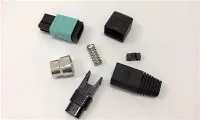
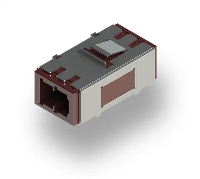
Hey there! As a supplier of Fiber Optic MPO Adapters, I've been in the fiber optic game for quite a while. And one question I get a lot is, "How do Fiber Optic MPO Adapters compare to traditional fiber optic connectors?" Well, let's dive right in and break it down.
First off, let's talk about what Fiber Optic MPO Adapters are. MPO stands for Multi - Fiber Push - On. These adapters are designed to connect multiple fiber optic cables at once. You can check out more about Fiber Optic Mpo Adapter on our website. In contrast, traditional fiber optic connectors like SC, ST, and LC usually connect one fiber at a time.
Installation and Time - Saving
When it comes to installation, Fiber Optic MPO Adapters are a real time - saver. With traditional connectors, you have to install each fiber individually. It's like building a wall brick by brick. It takes a lot of time and patience, especially in large - scale projects. For example, if you're setting up a data center with hundreds or even thousands of fibers, using traditional connectors would mean hours, if not days, of installation work.
On the other hand, MPO Adapters can connect multiple fibers in one go. It's like using a pre - made wall panel. You just push the MPO connector in, and you've connected 12, 24, or even more fibers simultaneously. This not only speeds up the installation process but also reduces the chances of human error. Less time spent on installation means lower labor costs, which is a huge plus for any project.
Density and Space Utilization
Another area where MPO Adapters shine is density. In today's data - driven world, space is at a premium. Data centers are constantly looking for ways to increase their fiber density without taking up too much physical space. Traditional connectors take up a relatively large amount of space because each connector needs its own slot.
MPO Adapters, however, can pack a large number of fibers into a very small area. For instance, an MPO connector with 24 fibers can take up less space than 24 individual LC connectors. This high - density capability allows data centers and other network environments to save space and be more efficient. It's like fitting more clothes in a closet by using space - saving hangers.
Bandwidth and Performance
When it comes to bandwidth, MPO Adapters are also ahead of the game. As technology advances, the demand for higher bandwidth is constantly increasing. Traditional connectors may struggle to keep up with the ever - growing data transfer requirements.
MPO Adapters are designed to support high - speed data transmission. They can handle multiple high - bandwidth channels at once, making them ideal for applications such as 40G, 100G, and even 400G Ethernet. This high - performance capability is crucial for modern networks that need to transfer large amounts of data quickly and reliably.
Cost - Effectiveness
Now, let's talk about cost. At first glance, MPO Adapters may seem more expensive than traditional connectors. But when you consider the big picture, they can actually be more cost - effective. We've already mentioned the time and labor savings during installation. Additionally, the high - density nature of MPO Adapters means you need less cabling and fewer patch panels, which can save on material costs.
Over the long term, the ability of MPO Adapters to support high - speed data transmission means you won't have to upgrade your network infrastructure as frequently. This can result in significant cost savings in the long run. It's like buying a high - quality, long - lasting car instead of a cheaper one that needs constant repairs.
Compatibility and Flexibility
While MPO Adapters offer many advantages, it's important to note that they may not be suitable for every situation. Traditional connectors have been around for a long time and are widely used in many existing networks. They are also more flexible in terms of compatibility. You can easily find adapters to convert between different types of traditional connectors.
For example, if you have an existing network with LC connectors and you want to add a new device with an SC connector, you can use an LC - to - SC adapter. With MPO Adapters, the situation is a bit different. Although there are ways to convert MPO to other connector types, it may not be as straightforward as with traditional connectors.
However, many modern network devices are now designed to support MPO connections. And with the increasing adoption of MPO technology, the compatibility issue is becoming less of a problem.
Other Types of Fiber Optic Adapters
In addition to MPO Adapters, there are other types of fiber optic adapters in the market. For example, Fiber Optic Mtrj Adapter and Fiber Optic E2000 Adapter.
The MTRJ Adapter is a small - form - factor connector that is often used in LAN applications. It's designed to be easy to install and offers a relatively high - density solution. The E2000 Adapter, on the other hand, is known for its high - performance and reliability. It has a shutter mechanism that protects the fiber end - face from dust and damage.
Each type of adapter has its own unique features and advantages, and the choice depends on the specific requirements of your network.
Conclusion
So, to sum it up, Fiber Optic MPO Adapters have many advantages over traditional fiber optic connectors. They offer faster installation, higher density, better bandwidth performance, and long - term cost savings. However, traditional connectors still have their place, especially in existing networks where compatibility is a major concern.


If you're in the process of setting up a new network or upgrading an existing one, I highly recommend considering Fiber Optic MPO Adapters. They can help you build a more efficient, high - performance network. If you have any questions or are interested in purchasing our Fiber Optic MPO Adapters, feel free to reach out to us. We're here to help you find the best solution for your network needs.
References
- Fiber Optic Association (FOA) publications on fiber optic connectors and technologies.
- Industry whitepapers on high - density fiber optic solutions.
- Technical documentation from leading fiber optic component manufacturers.