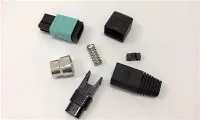
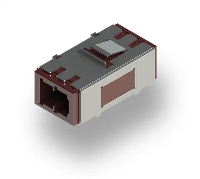
Hey there! I'm a supplier of Fiber Optic MU Connectors, and today I wanna chat about how aging affects the performance of these nifty little things.
Let's start by understanding what a Fiber Optic MU Connector is. It's a small - form - factor connector that's widely used in fiber optic networks. Its compact size makes it great for high - density applications, like in data centers or telecommunications rooms.
Physical Changes Due to Aging
One of the first things that happens as a Fiber Optic MU Connector ages is physical wear and tear. The connector is made up of several components, including the ferrule, housing, and coupling mechanism. Over time, the repeated insertion and removal of the connector can cause the ferrule to become scratched or chipped. The ferrule is a critical part of the connector as it holds the fiber in place and aligns it precisely with another fiber in a mating connector.
A scratched or chipped ferrule can lead to increased insertion loss. Insertion loss is the amount of light that is lost as it passes through the connector. When the ferrule is damaged, the alignment between the fibers is not as precise, and more light is scattered or absorbed, resulting in a higher insertion loss.
The housing of the connector can also experience physical changes. It might become brittle due to exposure to environmental factors like heat, humidity, or chemicals. A brittle housing can crack or break, which not only makes the connector difficult to install but can also expose the fiber to dust and moisture, further degrading its performance.
The coupling mechanism, which is responsible for holding the two connectors together, can also wear out. The springs or clips that keep the connectors firmly mated can lose their elasticity over time. This can lead to a loose connection, which again, causes increased insertion loss and can also result in intermittent signal loss.
Chemical Changes and Contamination
Aging can also bring about chemical changes in the Fiber Optic MU Connector. For example, the materials used in the connector can react with the surrounding environment. If the connector is exposed to high humidity, oxidation can occur on the metal parts of the connector, such as the pins or the coupling mechanism. Oxidation can increase the electrical resistance in the connector, which can affect the performance of any electrical components that might be integrated with the fiber optic connection, like in some hybrid connectors.


Contamination is another big issue. As the connector ages, it becomes more vulnerable to dust, dirt, and other particles. These contaminants can accumulate on the end - face of the ferrule, blocking the light path and increasing insertion loss. Even a tiny speck of dust can have a significant impact on the performance of the connector.
Moisture can also seep into the connector over time. Water can cause corrosion of the metal parts and can also change the refractive index of the fiber optic cable, which affects the way light travels through it. This can lead to signal distortion and increased attenuation.
Impact on Signal Quality
The performance degradation due to aging directly impacts the signal quality in a fiber optic network. Higher insertion loss means that less light reaches the receiver, which can result in a weaker signal. This can lead to a higher bit - error rate (BER), which is the number of incorrect bits received compared to the total number of bits sent. A high BER can cause data transmission errors, slow down the network, and even lead to complete network outages in severe cases.
In addition to insertion loss, aging can also increase return loss. Return loss is the amount of light that is reflected back towards the source. When there are issues with the connector, such as misalignment or contamination, more light is reflected, which can cause interference with the original signal. This interference can further degrade the signal quality and make it more difficult for the receiver to accurately interpret the data.
Comparison with Other Connectors
When we talk about the aging performance of Fiber Optic MU Connectors, it's interesting to compare them with other types of connectors. For example, Fiber Optic LC Connectors are also popular small - form - factor connectors. LC connectors have a slightly different design, with a latch - type coupling mechanism. While they are also subject to wear and tear, their design might make them more resistant to some types of physical damage compared to MU connectors.
Fiber Optic MTRJ Connector is another option. MTRJ connectors are duplex connectors, which means they can carry two fibers in a single connector. They are more prone to contamination because of their relatively large end - face area. However, in terms of aging, they might have different physical and chemical aging characteristics compared to MU connectors.
Conector Ftth Fiber Optic Sc Fast Connector is a different beast altogether. SC connectors are larger in size and have a push - pull coupling mechanism. They are often used in more rugged environments and might be more durable in the long run compared to the smaller MU connectors. But each type of connector has its own strengths and weaknesses when it comes to aging and performance.
Mitigating the Effects of Aging
As a supplier of Fiber Optic MU Connectors, I know that it's important to take steps to mitigate the effects of aging. One of the simplest things is proper installation. Ensuring that the connectors are installed correctly from the start can reduce the risk of premature wear. This includes using the right tools, following the manufacturer's instructions, and making sure that the connectors are properly cleaned before installation.
Regular maintenance is also crucial. This involves cleaning the connectors at regular intervals to remove any contaminants. There are special cleaning tools available, such as lint - free wipes and cleaning solutions, that can be used to clean the end - face of the ferrule. Inspecting the connectors for physical damage, like scratches or cracks, can also help identify potential issues early on.
Using high - quality connectors from the beginning can also make a big difference. Cheaper connectors might be more prone to aging - related problems. At our company, we focus on producing high - quality Fiber Optic MU Connectors that are designed to withstand the test of time. We use premium materials and advanced manufacturing processes to ensure the durability and reliability of our connectors.
Conclusion
In conclusion, aging can have a significant impact on the performance of Fiber Optic MU Connectors. Physical wear and tear, chemical changes, and contamination can all lead to increased insertion loss, return loss, and signal degradation. However, by understanding these issues and taking appropriate steps to mitigate them, we can ensure that the connectors continue to perform well over their lifespan.
If you're in the market for Fiber Optic MU Connectors or have any questions about how to deal with aging - related issues, I'd love to chat. Whether you're building a new fiber optic network or looking to upgrade an existing one, we can provide you with the right connectors and advice to keep your network running smoothly. So, don't hesitate to reach out for a procurement discussion.
References
- "Fiber Optic Communication Systems" by Govind P. Agrawal
- "Optical Fiber Technology: Materials, Devices, and Systems" by S. C. Jain
- Industry whitepapers on fiber optic connector aging and performance