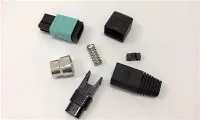
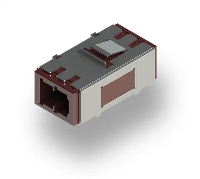
Hey there! As a supplier of Fiber Optic ST Couplers, I've seen my fair share of issues with high insertion loss. It's a common problem that can really mess up the performance of your fiber optic network. So, I thought I'd share some insights on what causes this pesky issue.


1. Physical Misalignment
One of the most common reasons for high insertion loss in a Fiber Optic ST Coupler is physical misalignment. When the fiber ends aren't properly aligned within the coupler, light can't transfer efficiently from one fiber to the other.
There are a few ways misalignment can occur. First off, if the coupler isn't installed correctly, the fibers might not be centered properly. This could happen during the initial setup or if the coupler gets bumped or jostled later on.
Another factor is the quality of the fiber connectors themselves. If the connectors are poorly made or damaged, they can cause misalignment. For example, if the ferrules (the small tubes that hold the fiber) are chipped or have uneven surfaces, it can throw off the alignment.
To avoid this, make sure to use high - quality connectors and follow the proper installation procedures. Always check the connectors for any visible damage before installing them.
2. Contamination
Contamination is another big culprit when it comes to high insertion loss. Dust, dirt, oil, and other particles can accumulate on the fiber end - faces or inside the coupler. These contaminants can block the light path, causing a significant increase in insertion loss.
You'd be surprised how easily contamination can occur. Just handling the fibers with dirty hands can transfer oils and dirt to the end - faces. Even the environment can play a role. In a dusty or dirty workspace, it's easy for particles to settle on the fibers.
To prevent contamination, always use proper cleaning tools and techniques. Fiber optic cleaning kits are readily available and are designed to safely clean the end - faces without causing damage. And make sure to handle the fibers in a clean environment as much as possible.
3. Mismatched Fiber Types
Using mismatched fiber types in a Fiber Optic ST Coupler can also lead to high insertion loss. Different fiber types have different core sizes, refractive indices, and other characteristics. When you try to connect two different fiber types, the light might not couple efficiently between them.
For example, if you connect a single - mode fiber to a multi - mode fiber, the light propagation characteristics are so different that a large amount of light can be lost. It's important to make sure that the fibers being connected are of the same type and have compatible specifications.
Before making any connections, double - check the fiber type and specifications. If you need to connect different fiber types, consider using a suitable fiber optic adapter, like the Fiber Optic MU Adapter, Fiber Optic MTRJ Adapter, or Fiber Optic FC Adaptor to help with the transition.
4. Polishing Quality
The polishing quality of the fiber end - faces is crucial for minimizing insertion loss. A poorly polished end - face can have rough surfaces, scratches, or unevenness. These imperfections can scatter the light as it passes through the coupler, leading to increased loss.
There are different levels of polishing, and higher - quality polishing generally results in lower insertion loss. When choosing fiber connectors, look for ones that have been polished to a high standard.
It's also important to note that over - polishing or under - polishing can be a problem. Over - polishing can damage the fiber, while under - polishing might not create a smooth enough surface for efficient light transfer.
5. Temperature and Environmental Factors
Temperature and other environmental factors can also affect the performance of a Fiber Optic ST Coupler. Extreme temperatures can cause the materials in the coupler and the fibers to expand or contract. This can lead to changes in the alignment and the physical properties of the fibers, resulting in increased insertion loss.
Humidity can also be an issue. High humidity can cause moisture to accumulate on the fiber end - faces or inside the coupler, which can lead to corrosion or other damage.
To mitigate these effects, try to install the couplers in a controlled environment. If that's not possible, use couplers that are designed to be more resistant to environmental changes.
6. Aging and Wear
Over time, Fiber Optic ST Couplers can experience aging and wear. The mechanical parts of the coupler, such as the springs and clips, can lose their elasticity. The fiber connectors can also wear down due to repeated insertions and removals.
This wear and tear can cause misalignment or other issues that lead to high insertion loss. To address this, it's a good idea to regularly inspect and replace old or worn - out couplers and connectors.
Conclusion
So, there you have it - the main causes of high insertion loss in a Fiber Optic ST Coupler. By being aware of these issues and taking the necessary precautions, you can minimize insertion loss and ensure the optimal performance of your fiber optic network.
If you're in the market for high - quality Fiber Optic ST Couplers or need more information on how to deal with insertion loss, don't hesitate to reach out. We're here to help you make the best choices for your network. Let's talk about your specific needs and see how we can work together to get you the right solutions.
References
- "Fiber Optic Communication Systems" by Govind P. Agrawal
- "Optical Fiber Technology: Principles and Applications" by Ajoy Ghatak and K. Thyagarajan