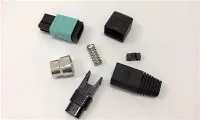
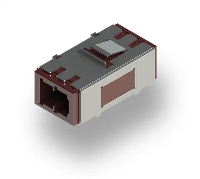
In the realm of modern telecommunications and data transmission, fiber optic technology stands as a cornerstone, providing high - speed, reliable, and efficient connectivity. Among the various fiber optic components, the Fiber Optic E2000 Pigtail plays a crucial role. As a trusted supplier of Fiber Optic E2000 Pigtails, I am often asked about how these pigtails perform in chemically - harsh environments. In this blog, I will delve into this topic, exploring the design, materials, and performance of Fiber Optic E2000 Pigtails in such challenging conditions.
Understanding the Fiber Optic E2000 Pigtail
Before we discuss its performance in chemically - harsh environments, let's first understand what a Fiber Optic E2000 Pigtail is. A pigtail is a short length of fiber optic cable with a connector on one end. The E2000 connector is a type of fiber optic connector known for its high - precision alignment, low insertion loss, and high return loss. It is widely used in telecommunications, data centers, and other high - performance applications.
The Fiber Optic E2000 Pigtail consists of a fiber core, cladding, buffer coating, and the E2000 connector. The fiber core is responsible for transmitting light signals, while the cladding helps to keep the light within the core. The buffer coating protects the fiber from mechanical damage, and the E2000 connector ensures a reliable connection to other fiber optic components.
Chemical Challenges in Harsh Environments
Chemically - harsh environments can present a variety of challenges to fiber optic components. These environments may contain corrosive chemicals such as acids, alkalis, solvents, and salts. Exposure to these chemicals can cause degradation of the fiber optic cable and the connector, leading to increased insertion loss, decreased return loss, and ultimately, failure of the communication system.


For example, acids can react with the materials in the fiber optic cable and connector, causing corrosion and weakening of the structure. Alkalis can also cause chemical reactions that damage the protective coatings and the fiber itself. Solvents can dissolve the buffer coating and other organic materials, exposing the fiber to further damage. Salts can cause electrochemical corrosion, especially in the presence of moisture.
Design and Materials for Chemical Resistance
To ensure the performance of the Fiber Optic E2000 Pigtail in chemically - harsh environments, special design and materials are used.
Fiber Core and Cladding
The fiber core and cladding are typically made of silica glass, which is highly resistant to most chemicals. Silica glass has excellent chemical stability and can withstand exposure to many corrosive substances. However, in some extremely harsh environments, special types of glass or other materials may be used to enhance the chemical resistance.
Buffer Coating
The buffer coating is an important part of the Fiber Optic E2000 Pigtail for chemical protection. It is usually made of materials such as acrylate or polyimide, which have good chemical resistance. Acrylate coatings are cost - effective and provide good protection against general chemicals. Polyimide coatings, on the other hand, offer higher chemical resistance and can withstand more extreme conditions.
Connector Materials
The E2000 connector is made of materials that are resistant to chemical attack. The connector body is often made of metal or high - performance plastics. Metal connectors are more durable and resistant to mechanical stress, while plastic connectors are lighter and more cost - effective. The contact surfaces of the connector are usually coated with a thin layer of precious metal, such as gold or platinum, to prevent corrosion and ensure good electrical conductivity.
Performance Testing in Chemically - Harsh Environments
To evaluate the performance of the Fiber Optic E2000 Pigtail in chemically - harsh environments, various tests are conducted. These tests simulate the actual conditions in which the pigtail may be used and measure the changes in insertion loss, return loss, and other performance parameters over time.
Immersion Tests
In immersion tests, the Fiber Optic E2000 Pigtail is immersed in a solution of the target chemical for a certain period of time. The insertion loss and return loss are measured before and after the immersion to determine the effect of the chemical on the performance of the pigtail. For example, a pigtail may be immersed in a solution of hydrochloric acid for 24 hours, and the insertion loss may be measured at regular intervals during the immersion.
Spray Tests
Spray tests are used to simulate the exposure of the Fiber Optic E2000 Pigtail to chemical mists or sprays. The pigtail is sprayed with a chemical solution at a certain pressure and for a certain duration. After the spray test, the performance of the pigtail is measured to assess the damage caused by the chemical spray.
Long - Term Exposure Tests
Long - term exposure tests are conducted to evaluate the performance of the Fiber Optic E2000 Pigtail over an extended period of time in a chemically - harsh environment. The pigtail is placed in a chamber with a controlled chemical atmosphere for several months or even years. The performance of the pigtail is monitored regularly to detect any gradual degradation.
Case Studies
Let's look at some real - world case studies to see how the Fiber Optic E2000 Pigtail performs in chemically - harsh environments.
In a chemical manufacturing plant, Fiber Optic E2000 Pigtails were installed in an area where there was a high concentration of corrosive chemicals. After several years of operation, the pigtails were inspected, and it was found that the insertion loss and return loss remained within the acceptable range. The chemical - resistant materials used in the pigtail had effectively protected the fiber and the connector from damage.
In a wastewater treatment facility, where the environment was highly acidic and contained various salts, the Fiber Optic E2000 Pigtails also showed good performance. The polyimide buffer coating and the gold - coated connector contacts had prevented corrosion and maintained the reliability of the communication system.
Comparison with Other Fiber Optic Components
When comparing the Fiber Optic E2000 Pigtail with other fiber optic components in chemically - harsh environments, it has several advantages.
Compared to LC Simplex Fiber Patch Cord, the E2000 Pigtail has a more robust connector design, which provides better protection against chemical ingress. The E2000 connector's high - precision alignment also ensures more stable performance in harsh conditions.
Fiber Optic LC Pigtails are also widely used, but they may not be as suitable for chemically - harsh environments as the Fiber Optic E2000 Pigtail. The LC connector is more delicate and may be more susceptible to chemical damage.
Conclusion
In conclusion, the Fiber Optic E2000 Pigtail can perform well in chemically - harsh environments when designed and manufactured with appropriate materials. The use of chemical - resistant fiber cores, buffer coatings, and connectors ensures that the pigtail can withstand the challenges posed by corrosive chemicals. Through rigorous testing and real - world case studies, we have seen that the Fiber Optic E2000 Pigtail can maintain its performance and reliability over an extended period of time in such environments.
If you are looking for a reliable fiber optic solution for your chemically - harsh environment, the Fiber Optic E2000 Pigtail is an excellent choice. Our company, as a professional supplier of Fiber Optic E2000 Pigtails, offers high - quality products that are designed to meet the most demanding requirements. We are committed to providing our customers with the best products and services. If you have any questions or are interested in purchasing our Fiber Optic E2000 Pigtails, please feel free to contact us for a detailed discussion and negotiation.
References
- "Fiber Optic Communication Technology" by John M. Senior
- "Handbook of Fiber Optic Data Communication" by Richard A. Deal
- Technical reports on fiber optic component performance in harsh environments from industry research institutions.