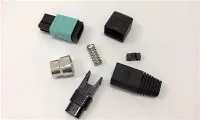
Fiber optic ST pigtails have become an integral part of modern communication networks, offering high - speed data transmission and reliability. As a supplier of fiber optic ST pigtails, I often receive inquiries about their suitability for harsh weather conditions. In this blog, I will delve into the key aspects that determine whether these pigtails can withstand the rigors of tough environmental settings.
Understanding Fiber Optic ST Pigtails
Before we discuss their performance in harsh weather, it's essential to understand what fiber optic ST pigtails are. An ST pigtail consists of a single - fiber cable with an ST connector at one end. The ST connector is a bayonet - style connector that provides a secure and reliable connection. These pigtails are commonly used in local area networks (LANs), telecommunications, and data centers due to their ease of installation and relatively low cost.
Harsh Weather Conditions Defined
Harsh weather conditions can include extreme temperatures, high humidity, heavy rain, snow, and exposure to UV radiation. Each of these factors can have a significant impact on the performance and lifespan of fiber optic components.
Extreme Temperatures
Fiber optic cables and connectors are sensitive to temperature variations. In extremely cold conditions, the materials in the pigtail can contract, which may cause micro - cracks in the fiber or loosen the connector. On the other hand, high temperatures can lead to expansion, potentially causing the connector to lose its alignment and increasing signal loss.
High Humidity and Moisture
Moisture is one of the biggest enemies of fiber optic systems. When water penetrates the cable or connector, it can cause corrosion, which degrades the optical signal. High humidity can also lead to the growth of mold and mildew, which can further damage the components.
UV Radiation
Prolonged exposure to UV radiation can cause the outer jacket of the fiber optic cable to degrade. This can lead to the weakening of the cable structure and increase the risk of mechanical damage.
The Suitability of Fiber Optic ST Pigtails in Harsh Weather
Temperature Resistance
Many of the fiber optic ST pigtails we supply are designed to operate within a wide temperature range. High - quality pigtails can withstand temperatures from - 40°C to 85°C. This wide range makes them suitable for use in various environments, from cold storage facilities to outdoor installations in hot climates. However, it's important to note that extreme temperature fluctuations can still pose a challenge. For example, rapid temperature changes can cause stress on the fiber and connectors, which may lead to performance issues over time.
Moisture and Humidity Protection
To protect against moisture, our fiber optic ST pigtails are equipped with moisture - resistant jackets. These jackets are made of materials such as polyethylene or polyvinyl chloride (PVC), which provide a barrier against water ingress. Additionally, the connectors are often sealed to prevent moisture from entering the connection point. In areas with high humidity or frequent rainfall, we also recommend using pigtails with gel - filled cables, which offer an extra layer of protection against moisture.
UV Resistance
For outdoor applications, UV - resistant jackets are essential. Our ST pigtails with UV - resistant jackets are made of materials that can withstand long - term exposure to sunlight without significant degradation. This ensures that the pigtails maintain their structural integrity and performance over time, even in sunny regions.
Installation Considerations in Harsh Weather
Even if the fiber optic ST pigtails are designed to withstand harsh weather, proper installation is crucial. Incorrect installation can negate the protective features of the pigtails.
Cable Routing
When installing fiber optic ST pigtails in harsh weather conditions, it's important to route the cables away from areas prone to water pooling or direct sunlight. For example, cables should be installed above ground level to avoid flooding and in shaded areas to reduce UV exposure.
Connector Installation
Proper connector installation is also critical. The connectors should be installed in a clean and dry environment to prevent the introduction of dust or moisture. Additionally, the connectors should be tightened to the correct torque to ensure a secure and reliable connection.
Comparing with Other Fiber Optic Pigtails
In the market, there are other types of fiber optic pigtails, such as Fiber Optic E2000 Pigtail, Fiber Optic LC Pigtails, and Fiber optic FC pigtail. Each type has its own advantages and disadvantages in terms of suitability for harsh weather.
The E2000 pigtail is known for its high - performance and high - density applications. It has a similar level of environmental protection as the ST pigtail, but its smaller size may make it more sensitive to mechanical stress in harsh conditions. The LC pigtail is widely used in data centers due to its small form factor. While it can be used in harsh weather with proper protection, its small connector may require more careful handling during installation. The FC pigtail, with its screw - type connector, provides a very secure connection, which can be beneficial in harsh environments. However, it may be more difficult to install compared to the ST pigtail.
Maintenance in Harsh Weather
Regular maintenance is essential to ensure the long - term performance of fiber optic ST pigtails in harsh weather conditions.
Visual Inspection
Periodic visual inspections should be carried out to check for signs of damage, such as cracks in the cable jacket, loose connectors, or signs of corrosion. Any damaged components should be replaced immediately to prevent further degradation of the system.
Cleaning
The connectors should be cleaned regularly to remove dust, dirt, and moisture. Specialized cleaning tools, such as lint - free wipes and cleaning solutions, should be used to ensure that the connectors are cleaned properly without causing damage.
Conclusion
In conclusion, fiber optic ST pigtails can be suitable for harsh weather conditions when they are properly designed, installed, and maintained. Our company offers high - quality ST pigtails that are built to withstand extreme temperatures, moisture, and UV radiation. However, it's important to consider the specific environmental conditions and installation requirements of each project. If you are looking for reliable fiber optic ST pigtails for your harsh - weather applications, we are here to provide you with the best solutions. Contact us for more information and to discuss your procurement needs. We look forward to working with you to ensure the success of your communication projects.


References
- "Fiber Optic Communication Systems" by Govind P. Agrawal.
- Industry standards and guidelines for fiber optic installation and maintenance.
- Technical data sheets provided by fiber optic component manufacturers.