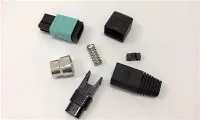
Installing Fiber Optic ST Pigtails in a high - vibration environment presents unique challenges that require careful planning and execution. As a supplier of Fiber Optic ST Pigtails, I have encountered numerous situations where customers need to install these components in less - than - ideal conditions. In this blog, I will share some in - depth insights and practical steps on how to successfully install Fiber Optic ST Pigtails in a high - vibration setting.
Understanding the Challenges of High - Vibration Environments
High - vibration environments, such as industrial machinery rooms, transportation vehicles, or construction sites, can have a significant impact on the performance and longevity of Fiber Optic ST Pigtails. Vibration can cause micro - bending in the fiber optic cable, which leads to increased signal loss. Additionally, it may loosen the connectors over time, resulting in intermittent or complete signal failure.
One of the primary concerns is the mechanical stress on the pigtails. The constant movement can put pressure on the cable jacket, the fiber inside, and the ST connector itself. Over time, this stress can cause the cable to break or the connector to become misaligned, both of which are detrimental to the fiber optic network's functionality.
Pre - installation Preparations
Before starting the installation process, it is crucial to conduct a thorough assessment of the high - vibration environment. Identify the sources of vibration, the frequency, and the amplitude of the vibrations. This information will help you choose the appropriate type of Fiber Optic ST Pigtails and installation methods.
When selecting the pigtails, look for products that are specifically designed to withstand high - vibration conditions. Our company offers a range of Fiber Optic ST Pigtails with enhanced mechanical strength and flexibility. These pigtails are constructed with high - quality materials that can resist the effects of vibration and ensure reliable performance.
It is also important to gather all the necessary tools and materials. You will need a fiber optic cleaver, a fusion splicer or mechanical splice kit, cable ties, mounting brackets, and a fiber optic tester. Make sure all the tools are in good working condition and that you have an adequate supply of spare parts.
Cable Routing and Management
Proper cable routing is essential in a high - vibration environment. Avoid routing the fiber optic cables near the direct sources of vibration, such as motors or moving machinery. Instead, find a path that is relatively stable and protected from the vibrations.
Use cable trays or conduits to organize the cables and prevent them from rubbing against each other or other sharp objects. Secure the cables with cable ties at regular intervals to minimize movement. However, be careful not to overtighten the cable ties, as this can also cause damage to the cables.
When routing the cables, make sure to leave some slack to accommodate any movement caused by the vibrations. A general rule of thumb is to leave at least 10 - 15% slack in the cable length. This will prevent the cables from being pulled taut and reduce the risk of breakage.
Connector Installation
The installation of the ST connectors is a critical step in the process. First, clean the fiber end face thoroughly using a lint - free cloth and a suitable cleaning solution. Any dirt or debris on the end face can cause signal loss or damage to the connector.
If you are using a fusion splicer, follow the manufacturer's instructions carefully to ensure a proper splice. The fusion splicing process involves melting the two fiber ends together to create a permanent connection. This method provides a low - loss and high - reliability connection, which is ideal for high - vibration environments.
Alternatively, you can use a mechanical splice kit. Mechanical splicing involves aligning the two fiber ends and securing them in a splice sleeve using an adhesive or mechanical clamping mechanism. While mechanical splicing is generally quicker and easier than fusion splicing, it may have slightly higher signal loss.


Once the connectors are installed, test the connection using a fiber optic tester. This will help you identify any issues with the installation, such as high signal loss or misalignment. Make any necessary adjustments or repairs before proceeding with the final installation.
Mounting and Securing the Pigtails
After the connectors are installed and tested, it is time to mount and secure the Fiber Optic ST Pigtails. Use mounting brackets that are designed to withstand high - vibration conditions. These brackets should be firmly attached to a stable surface, such as a wall or a rack.
Secure the pigtails to the mounting brackets using cable ties or other suitable fasteners. Make sure the pigtails are not under any excessive tension or compression. The goal is to keep the pigtails as stable as possible while still allowing for some flexibility to absorb the vibrations.
Post - installation Testing and Monitoring
Once the installation is complete, conduct a comprehensive post - installation test. Use a fiber optic tester to measure the signal loss, insertion loss, and return loss of the installed pigtails. Compare the test results with the manufacturer's specifications to ensure that the installation meets the required standards.
In addition to the initial testing, it is important to monitor the performance of the Fiber Optic ST Pigtails over time. Set up a regular monitoring schedule to check for any changes in the signal quality or performance. This will help you detect any potential issues early and take corrective actions before they cause significant problems.
Related Products
If you are also interested in other types of fiber optic products, we offer a wide range of options. For example, our Lc Simplex Fiber Patch Cord is a popular choice for many applications. It provides a reliable and flexible connection between fiber optic devices.
Another option is our Fiber Optic E2000 Pigtail. The E2000 connector offers high - performance and dust - protection features, making it suitable for harsh environments.
We also have Fiber Optic Sc Pigtail available. The SC connector is known for its ease of use and low - cost, making it a great option for various fiber optic networks.
Conclusion
Installing Fiber Optic ST Pigtails in a high - vibration environment requires careful planning, proper selection of materials, and precise installation techniques. By following the steps outlined in this blog, you can ensure a successful installation that provides reliable performance over time.
If you have any questions about our Fiber Optic ST Pigtails or need assistance with your installation, please feel free to contact us. We are here to help you find the best solutions for your fiber optic network needs. Whether you are a small - scale user or a large - scale enterprise, we can provide you with the products and support you require.
References
- "Fiber Optic Installation and Maintenance Handbook"
- Manufacturer's specifications for Fiber Optic ST Pigtails
- Industry standards for fiber optic network installation in high - vibration environments