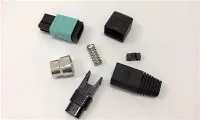
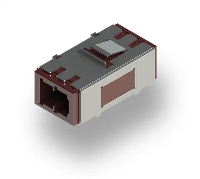
Hey there! As a supplier of Fiber Optic MU Connectors, I often get asked if these connectors can be used in submarine fiber optic cables. It's a pretty interesting question, and today, I'm gonna dive deep into this topic to give you all the details.
First off, let's talk a bit about what Fiber Optic MU Connectors are. These connectors are small - form - factor connectors that have become quite popular in various fiber optic applications. They are known for their high - density capabilities, which means you can pack a lot of them into a small space. This is great for data centers and other places where space is at a premium. They also offer good optical performance, with low insertion loss and high return loss, which are crucial for maintaining signal quality.
Now, submarine fiber optic cables are a whole different ballgame. These cables are laid on the ocean floor to connect different parts of the world, enabling global communication. They have to withstand some pretty harsh conditions. The water pressure at the ocean floor can be extremely high. For example, in the deep sea, the pressure can reach thousands of pounds per square inch. This pressure can crush or damage components that aren't properly designed to handle it.
The temperature in the deep ocean is also very cold, usually just a few degrees above freezing. And there are all sorts of marine organisms and chemicals in the water that can corrode or damage the cable and its components over time.
So, can Fiber Optic MU Connectors be used in submarine fiber optic cables? Well, it's not a straightforward yes or no answer.
On the one hand, there are some advantages to using MU Connectors in submarine cables. Their small size could potentially allow for more connections in a limited space within the cable. This is important because submarine cables need to carry a huge amount of data, and more connectors can mean more data - carrying capacity. Also, their good optical performance can help ensure that the data transmitted through the cable is of high quality.

However, there are also some significant challenges. As I mentioned earlier, the high pressure and cold temperatures in the deep ocean can pose problems. The materials used in the MU Connectors need to be able to withstand these extreme conditions. The housing of the connector has to be strong enough not to crack under pressure, and the internal components need to function properly in the cold.
Another issue is the protection against water and corrosion. Submarine cables are often filled with a special gel or other protective materials to keep water out. The MU Connectors need to be compatible with these materials and also have their own protective mechanisms to prevent water from seeping in and damaging the optical fibers.
To address these challenges, some modifications can be made to the standard MU Connectors. For example, the housing can be made from stronger materials, like high - strength plastics or metals that are resistant to corrosion. Special coatings can be applied to the internal components to protect them from the cold and to prevent corrosion.
In addition to these technical aspects, there are also some industry - wide standards and regulations that need to be considered. Submarine cable projects are usually subject to strict quality and safety standards. Any connector used in these cables needs to meet these standards to ensure the reliability and longevity of the entire cable system.
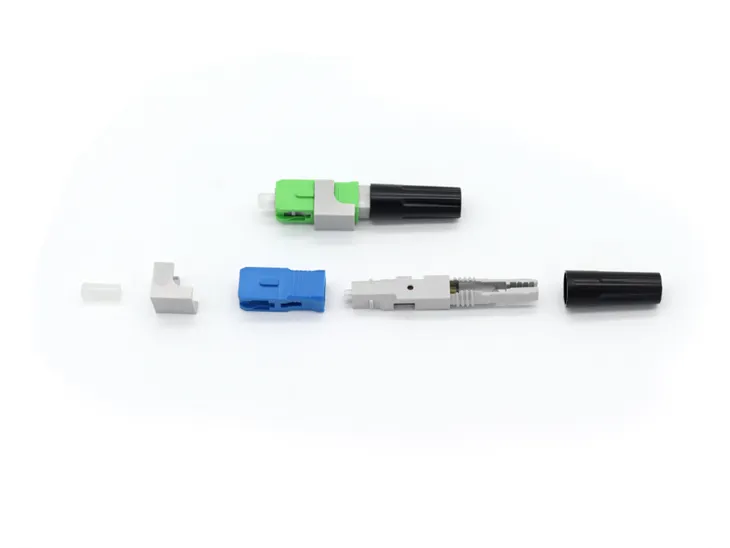
Now, let's talk about some of the other fiber optic connectors in our product range. We also offer Fiber Optical Sm Sc Upc Fast Connector, which are well - known for their fast installation and good performance. These connectors are widely used in many different fiber optic networks, both on land and in some less - extreme underwater applications.
Our Fiber Optic E2000 Connector is another great option. It has a unique dust - cap design that helps protect the connector from dust and debris, which is important for maintaining good optical performance.
And then there's our Fiber Optic Fast Connector, which, as the name suggests, can be quickly installed, saving time and labor costs in fiber optic installation projects.
If you're involved in a submarine fiber optic cable project or any other fiber optic project, and you're considering using our Fiber Optic MU Connectors or any of our other connectors, I'd love to have a chat with you. We can discuss your specific requirements, and I can help you figure out the best solution for your needs. Whether it's about modifying the MU Connectors for submarine use or choosing the right connector for your project, I'm here to assist.
In conclusion, while using Fiber Optic MU Connectors in submarine fiber optic cables is possible with the right modifications and precautions, it's a complex decision that requires careful consideration of the technical challenges and industry standards. But with our expertise and product range, we're confident that we can provide you with the best fiber optic solutions. So, don't hesitate to reach out if you have any questions or if you're interested in starting a procurement process.
References
- "Fiber Optic Communication Systems" by Govind P. Agrawal
- Industry reports on submarine fiber optic cable technology