Can a Fiber Optic MPO Patchcord be used in outdoor environments?
As a supplier of Fiber Optic MPO Patchcords, I often encounter inquiries from customers regarding the suitability of these patchcords for outdoor use. This blog post aims to delve into this question and provide a comprehensive understanding of the factors involved.
Understanding Fiber Optic MPO Patchcords
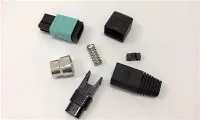
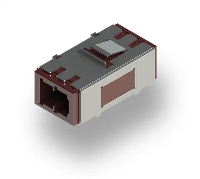
Fiber Optic MPO (Multi - Fiber Push - On) patchcords are designed to provide high - density fiber connections. They typically contain multiple optical fibers within a single connector, allowing for the simultaneous transmission of multiple data channels. This makes them ideal for high - speed data transmission in data centers, telecommunications networks, and other high - volume communication environments.
The MPO connector is a key component of these patchcords. It uses a precision alignment mechanism to ensure accurate fiber alignment, which is crucial for minimizing signal loss during data transmission. The patchcords come in different configurations, such as 12 - fiber, 24 - fiber, and even higher counts, to meet various application requirements.
Challenges of Outdoor Environments
Outdoor environments present a unique set of challenges for fiber optic components. These challenges include:
- Temperature Variations: Outdoor temperatures can range from extremely cold in winter to very hot in summer. These temperature fluctuations can cause the materials in the patchcord to expand and contract, which may lead to mechanical stress on the fibers and connectors. Over time, this can result in increased signal loss or even fiber breakage.
- Moisture and Humidity: Moisture is one of the biggest enemies of fiber optic cables. Water can penetrate the cable jacket and cause corrosion of the fibers and connectors. High humidity can also lead to the growth of mold and mildew, which can further degrade the performance of the patchcord.
- UV Radiation: Ultraviolet (UV) radiation from the sun can damage the outer jacket of the fiber optic cable. Prolonged exposure to UV rays can cause the jacket to become brittle and crack, exposing the internal fibers to environmental hazards.
- Mechanical Stress: Outdoor installations are often subject to mechanical stress, such as wind, vibration, and accidental impacts. These forces can cause the patchcord to bend, twist, or pull, which can damage the fibers and connectors.
Can Fiber Optic MPO Patchcords be Used Outdoors?
The answer is yes, but with certain considerations. There are outdoor - rated Fiber Optic MPO Patchcords available in the market that are specifically designed to withstand the harsh conditions of outdoor environments.
- Specialized Jackets: Outdoor - rated patchcords are equipped with jackets that are resistant to UV radiation, moisture, and temperature variations. For example, some jackets are made of materials like polyethylene (PE) or polyvinyl chloride (PVC) with special additives to enhance their durability. These jackets provide an extra layer of protection for the internal fibers.
- Waterproofing and Sealing: To prevent moisture ingress, outdoor patchcords are often sealed at the connectors. This can be achieved through the use of gaskets, O - rings, or potting compounds. Additionally, the cable itself may have a water - blocking layer to prevent water from traveling along the length of the cable.
- Mechanical Protection: Some outdoor patchcords are reinforced with additional strength members, such as aramid yarns or steel wires. These strength members help to protect the fibers from mechanical stress and ensure that the patchcord can withstand bending, pulling, and other forces.
Applications of Outdoor Fiber Optic MPO Patchcords
Outdoor Fiber Optic MPO Patchcords have several applications, including:


- Telecommunications Networks: They are used in outdoor telecommunications infrastructure, such as cell towers and fiber - to - the - home (FTTH) installations. These patchcords provide high - speed data connections between different network components.
- Surveillance Systems: Outdoor surveillance cameras often require high - bandwidth fiber optic connections to transmit video data. MPO patchcords can be used to connect the cameras to the central monitoring station.
- Smart City Projects: In smart city initiatives, fiber optic networks are used to connect various sensors and devices. Outdoor MPO patchcords can be used to establish these connections, enabling the efficient transfer of data for applications such as traffic management and environmental monitoring.
Comparison with Other Fiber Optic Patchcords
When considering outdoor use, it's also important to compare Fiber Optic MPO Patchcords with other types of patchcords, such as Fiber Optic Lc Lc Patch Cable and Fiber Optic Sc Patch Cord.
- LC - LC Patch Cables: LC connectors are smaller in size and are commonly used in high - density applications. However, they typically have a lower fiber count compared to MPO connectors. For outdoor applications where a large number of data channels need to be transmitted simultaneously, MPO patchcords may be a better choice.
- SC Patch Cords: SC connectors are known for their reliability and ease of use. They are often used in telecommunications and data center applications. Similar to LC connectors, SC patchcords usually have a lower fiber count. MPO patchcords offer a more compact solution for high - fiber - count outdoor installations.
Product Example: Mpo - lc 12 Muti - color Tight Buffer Fiber Patch Cords 0.3m
Our Mpo - lc 12 Muti - color Tight Buffer Fiber Patch Cords 0.3m is a great option for outdoor applications. It features a tight - buffer design, which provides additional protection for the fibers. The multi - color design makes it easy to identify individual fibers, which is useful for installation and maintenance. With a length of 0.3m, it is suitable for short - distance outdoor connections.
Conclusion
In conclusion, Fiber Optic MPO Patchcords can be used in outdoor environments, but it is essential to choose outdoor - rated patchcords that are designed to withstand the challenges of the outdoors. These patchcords offer high - density, high - speed data transmission capabilities, making them suitable for a wide range of outdoor applications.
If you are considering using Fiber Optic MPO Patchcords for your outdoor project, we are here to help. Our team of experts can provide you with detailed product information and technical support to ensure that you choose the right patchcords for your specific needs. Contact us to start a procurement discussion and find the best solutions for your fiber optic requirements.
References
- ITU - T Recommendations on fiber optic cable standards
- IEEE Standards for fiber optic communication systems
- Manufacturer's technical documentation on outdoor fiber optic patchcords