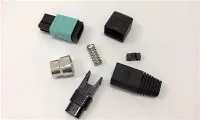
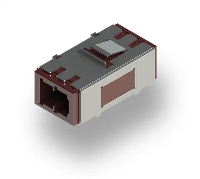
As a supplier of Fiber Optic SC Pigtails, I often get asked if these pigtails are compatible with all fiber optic cables. It's a question that cuts right to the heart of how well these components can integrate into various fiber - optic networks. Let's dig deep into this topic and find out what's what.
First off, let's understand what a Fiber Optic SC Pigtail is. An SC pigtail is a short length of fiber optic cable with an SC connector pre - attached at one end. The SC connector, known for its push - pull latching mechanism, is widely used in fiber - optic communication systems because it's easy to install and offers a good balance between performance and cost.
Now, when it comes to compatibility, it's not as simple as a yes or no answer. There are several factors that determine whether an SC pigtail can work with a particular fiber optic cable.
1. Fiber Mode Compatibility
Fiber optic cables come in two main modes: single - mode (SM) and multi - mode (MM). Single - mode fiber is designed to carry a single ray of light, which allows for long - distance and high - bandwidth transmission. Multi - mode fiber, on the other hand, can carry multiple rays of light simultaneously, making it more suitable for shorter distances, like within a building or a campus network.
If you're using a single - mode SC pigtail, it needs to be paired with a single - mode fiber optic cable. Mixing a single - mode pigtail with a multi - mode cable will result in significant signal loss because the light propagation characteristics of the two are different. The same goes for multi - mode SC pigtails; they should be used with multi - mode cables. So, in terms of fiber mode, SC pigtails are not compatible with all fiber optic cables. You've got to match the mode correctly.
2. Fiber Core and Cladding Diameter
The core and cladding of a fiber optic cable play a crucial role in determining compatibility. The core is the central part through which light travels, and the cladding surrounds the core to keep the light within it. Different types of fiber optic cables have different core and cladding diameters.
For example, multi - mode fiber commonly has a core diameter of 50μm or 62.5μm, with a cladding diameter of 125μm. Single - mode fiber usually has a much smaller core diameter, around 9μm, and also a 125μm cladding. An SC pigtail must have the same core and cladding diameters as the cable it's being connected to. If the diameters don't match, the light won't couple properly between the pigtail and the cable, leading to poor signal quality.
3. Connector Compatibility
While we're talking about SC pigtails, it's important to note that there are other types of fiber optic connectors out there, such as ST, E2000, and LC. You can check out Fiber Optic St Pigtails, Fiber Optic E2000 Pigtail, and Fiber Optic Lc Pigtails for more information on these.
An SC pigtail is only directly compatible with another SC - terminated cable or device. If you need to connect an SC pigtail to a cable with a different connector type, you'll need an adapter. Adapters can be used to bridge the gap between different connector types, but they can also introduce some signal loss and may not be as reliable as a direct connection.
4. Cable Jacket and Environmental Considerations
The cable jacket of a fiber optic cable is important for protecting the fiber inside. Different applications may require different types of cable jackets, such as indoor, outdoor, or plenum - rated jackets. An SC pigtail should be used in an environment that's suitable for its cable jacket type.
For example, if you're using an SC pigtail with a jacket designed for indoor use in an outdoor environment, the jacket may not be able to withstand the harsh conditions, like UV radiation, moisture, or temperature extremes. This can lead to damage to the fiber and a loss of signal.


When Compatibility Works Well
Despite these limitations, in many common scenarios, SC pigtails can be a great fit. In data centers, for instance, where SC connectors are widely used, SC pigtails can be easily integrated with other SC - terminated equipment and cables. As long as the fiber mode, core and cladding diameters, and environmental requirements are met, you'll have a smooth - running fiber - optic connection.
If you're setting up a new network or upgrading an existing one, it's always a good idea to work with a professional or consult the cable and pigtail manufacturers. They can help you select the right components to ensure compatibility.
Conclusion
So, are Fiber Optic SC Pigtails compatible with all fiber optic cables? The answer is a clear no. Compatibility depends on several factors, including fiber mode, core and cladding diameter, connector type, and environmental conditions. But don't let that discourage you. With the right knowledge and careful selection, you can use SC pigtails effectively in your fiber - optic network.
If you're in the market for high - quality Fiber Optic SC Pigtails or need advice on compatibility and selection, feel free to reach out. We're here to help you make the best choices for your fiber - optic needs.
References
- "Fiber Optic Communication Systems" by Govind P. Agrawal
- Industry standards documents from organizations like the Telecommunications Industry Association (TIA) and the International Electrotechnical Commission (IEC)