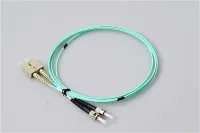
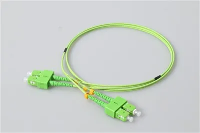
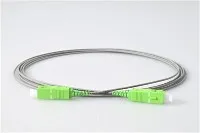
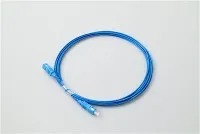
Fiber optic jumpers are generally an essential product between equipment and fiber optic cabling equipment, typically used in fiber optic communication systems, fiber optic access networks, fiber optic data transmission, and local area networks. Do you know what MPO fiber optic jumpers are? What are the precautions when using it? Here is a brief explanation.
1. MPO fiber optic jumper
As is well known, if we can better manage MPO/MTP and other related products, it will bring many benefits to our work, but many people are not familiar with the precautions for using MPO fiber optic jumpers. For example, you can easily find configured fiber optic jumpers, which makes the maintenance of fiber optic jumpers much lighter and also provides correct bending radius protection. In network rewiring, accessibility plays a crucial role, directly affecting the stability of the network and the cost of rewiring.
2. Precautions for using MPO fiber optic jumpers
(1) Pay attention to the bending radius of fiber optic jumpers. As usual, fiber optic jumpers with diameters of 1.6mm and 3.0mm can withstand a bending radius of no less than 3.5mm, while MPO fiber optic jumpers can withstand a bending radius of no less than 10 times their diameter.
(2) Do not pull or squeeze the fiber optic jumper. When installing fiber optic jumpers, excessive force may apply pressure to the fiber optic jumpers and their connectors at both ends, thereby affecting their performance. It should be noted that if you need to use a lot of force to pull a fiber optic jumper, there must be something wrong in the middle.
(3) If the existing fiber optic patch cord length is suitable for the current scenario, it can be reused. However, you still need to remove this patch cord from the fiber optic distribution frame and reinstall it according to the new path. This is the only way to ensure that the patch cord is not tied, bent, or stretched or squeezed. In order to effectively arrange fiber optic jumpers, a suitable path should be found between the two ports for the fiber optic jumpers, while avoiding entanglement and overcrowding of the jumpers.
(4) Using bundling methods to use fiber optic jumpers may make the panel look neat, but tying the fiber optic jumpers too tightly can have the opposite effect. To prevent this situation from happening, it is advisable to "unbind" the fiber optic jumpers appropriately, allowing them to "move" within a limited range.
(5) Labeling is a very important thing and also one of the important things for system administrators, so precise labeling is required at any management point (including wiring panels) in the collection of cabling infrastructure.
(6) Check for physical damage to fiber optic jumpers, including creases caused by bent protective sleeves and connector damage.