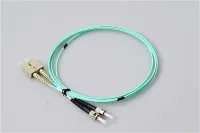
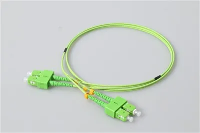
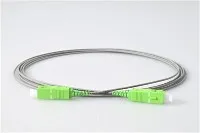
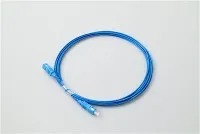
The optical fiber connector precisely connects the two end faces of the optical fiber, and it is important to align the axis of the two optical fibers so that the light energy output of the transmitting optical fiber can be coupled to the receiving optical fiber to the maximum extent, and reduce the impact on the system due to its involvement in the optical link. Therefore, the end face of the optical fiber connector needs to be polished to achieve this optical performance, and usually polishing needs to comply with the insertion loss, reverse return loss, and the geometry of the end face. Then this article will analyze the polishing knowledge in optical fiber connectors for you.
Fiber optic connector polishing process
The early "physical contact" type of connectors need to be polished into a spherical surface. It consists of four steps: removal of epoxy resin, ring processing, and rough and fine grinding. These steps usually use hard diamond abrasive paper for epoxy removal and ring processing. Today, the polishing steps have evolved into this sequence: first, the removal of epoxy resin, followed by rough grinding, medium grinding and fine grinding polishing cycles, because almost all connectors have end faces with reserved radii. The purpose is to avoid excessive damage to the surface of the sphere, while also creating a good mating surface.
Fiber optic connector polishing specification
The polishing specifications of optical fiber connectors are divided into two aspects: performance and end geometry. The parameters of reverse return loss and insertion loss are an intuitive measure of the effect of the polished end. Insertion loss refers to the sum of optical power loss between connector interfaces due to core misalignment, end clearance (air clearance), and the finish of each connector end face. The current insertion loss standard is less than 0.5dB, and less than 0.3dB refers to the insertion loss of the specified connection. Backreflection means that the reflected light is returned to the original place through the optical fiber. High backreflection can be converted into curved propagation of the optical signal, so there is a high bit error rate in high data transmission rate systems.
Optical fiber connector polishing material
Nowadays, there are many types of connected optical fibers, among which the common ones are 2.5mm, 1.25mm and composite optical cables. The end face of the connector is first air-ground to ensure a proper fit. The sequence of subsequent polishing steps depends on the connector type, reverse return loss, and insertion loss. Ignoring the connector type, most polishing sequences begin with a high-hardness polishing material, including silicon carbide removal of epoxy resin and rough and medium grinding with diamond grinding paper. These remove both the edge material and the fiber. The latter step requires a material similar to silica that is not too hard to grind the fiber, if the use of too hard material will lead to excessive grinding. Improper finishing material can cause excessive wear, which can lead to fiber breakage during connector connection.
Influencing factor
Factors to consider during the grinding process include the choice of grinding paper, epoxy resin and type of lubrication. Abrasive paper is an important influencing factor, because the level and quality of abrasive paper provided by different suppliers are different, so the end user needs to choose the abrasive paper carefully. Too hard an abrasive paper will destroy a 125μm optical fiber and its spherical radius. The removal of epoxy resins is also an important part of polishing decontamination. Some types of epoxy resins can be easily removed with special emery abrasive paper. The abrasive paper used in this step depends on the size of the epoxy resin droplets attached to the end face of the connector and the type of epoxy resin. There are different varieties of epoxy resins. Some are sticky, some are firm. In short, a clean environment is essential to optimize the finish of the connector.
Polishing is already a mature process, but it will continue to evolve. There is no doubt that the acceptance criteria will be more stringent. Polishing steps will be driven to improve, and new connector styles will drive our relentless efforts to transform polishing methods.
Jul 13, 2023
Analysis Of Fiber Optic Connector Polishing Knowledge
Send Inquiry
Product Categories
Latest Products