What are the names of fiber pigtails?
Fiber pigtails play a crucial role in the field of telecommunications and networking. They are short, single-ended fiber optic cables with a connector on one end and exposed fibers on the other. These pigtails are used for various applications such as connecting optical devices, splicing fibers, and terminating fiber optic cables. The connectors attached to the pigtails allow for easy and efficient connectivity between different components of a fiber optic network.
There are different types of fiber pigtail connectors available in the market, each designed for specific applications and different environments. Let''s explore some of the common types of fiber pigtail connectors and their names:
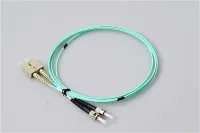
1. SC Pigtail Connector:
The SC (Subscriber Connector or Standard Connector) pigtail connector is one of the most commonly used fiber connectors. It features a square-shaped push-pull mechanism that provides quick and reliable connections. The SC connector is widely used in single-mode applications and is known for its excellent performance and durability.
2. LC Pigtail Connector:
The LC (Lucent Connector or Little Connector) pigtail connector is another popular choice in the fiber optic industry. It is smaller in size compared to the SC connector and provides a higher port density, making it suitable for applications where space is limited. The LC connector is commonly used in high-density environments such as data centers and telecommunication racks.
3. ST Pigtail Connector:
The ST (Straight Tip) pigtail connector is one of the oldest and widely used fiber connectors. It uses a bayonet-style twist-lock mechanism to ensure secure connections. The ST connector is commonly used in both single-mode and multimode applications and is known for its simplicity and versatility.
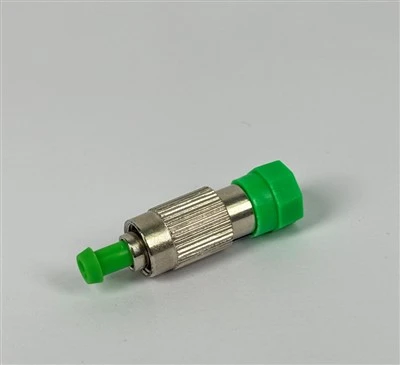
4. FC Pigtail Connector:
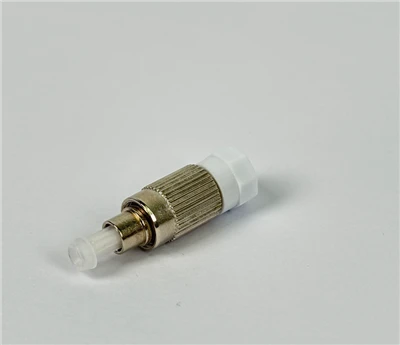
The FC (Ferrule Connector or Fiber Channel) pigtail connector is another popular choice for fiber optic connections. It features a threaded coupling mechanism that ensures stable and secure connections. The FC connector is widely used in various applications such as telecommunication networks, test equipment, and high-vibration environments.
5. MPO/MTP Pigtail Connector:
MPO (Multi-fiber Push-On) and MTP (Multi-fiber Termination Push-on) pigtail connectors are used for high-density fiber connections. They are designed to accommodate multiple fibers in a single connector, making them ideal for applications that require a large number of connections, such as data centers and high-speed networks.
6. E2000 Pigtail Connector:
The E2000 pigtail connector is a high-performance connector that provides low insertion loss and high return loss. It features a push-pull mechanism with a built-in shutter to protect the ferrule and fiber endface. The E2000 connector is commonly used in applications that require high-density packaging and excellent optical performance.
7. MU Pigtail Connector:
The MU (Miniature Unit) pigtail connector is a small form factor connector that offers high packing density. It is commonly used in high-density applications such as data communication and telecommunication networks. The MU connector provides excellent performance and is easy to handle and install.
8. SMA Pigtail Connector:
The SMA (SubMiniature version A) pigtail connector is commonly used in RF and microwave applications. Although not widely used in fiber optics, it is still worth mentioning due to its historical significance. The SMA connector is designed for applications that require excellent electrical performance in addition to optical connectivity.
9. D4 Pigtail Connector:
The D4 pigtail connector is a small form factor connector mainly used in high-density applications. It is similar in design to the SC connector but has a smaller ferrule size. The D4 connector is commonly used in dense wavelength division multiplexing (DWDM) systems and high-speed communication networks.
10. LX.5 Pigtail Connector:
The LX.5 pigtail connector is a high-density connector designed for small form factor applications. It features a push-pull latching mechanism and provides excellent optical performance. The LX.5 connector is commonly used in advanced optical networking systems.
Conclusion:
Fiber pigtails are an essential component in fiber optic networks, enabling efficient and reliable connectivity. The names mentioned above are just a few examples of the various types of fiber pigtail connectors available. Each connector has its own unique design and applications, allowing network designers and installers to choose the most appropriate connector for their specific needs. Whether it''s for single-mode or multimode applications, high-density environments, or specialized requirements, there is a fiber pigtail connector available to suit every scenario.