Introduction
In the modern world, we rely heavily on electronic devices to keep us connected, both in our personal and professional lives. These devices require a constant stream of data, which means we need to use high-quality cables to transmit it. One type of cable that has become incredibly popular in recent years is the patch cable.
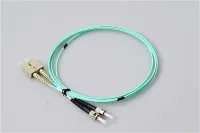
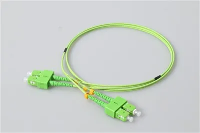
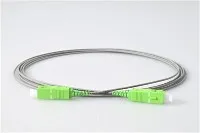
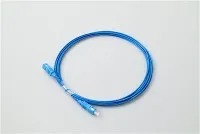
A patch cable is a type of cable that is used to connect various electronic devices. They are commonly used in computer networking to connect computers, routers, and switches together. They are also used in audio and video systems to connect equipment together. While patch cables have many advantages, they also have some disadvantages.
In this article, we will discuss the disadvantages of patch cables.
Disadvantages of Patch Cable
1. Limited Length
One of the biggest disadvantages of patch cables is their limited length. Patch cables are meant to be used as short-distance cables, generally no longer than 100 feet. If you need to connect devices that are more than 100 feet apart, you will need a different type of cable, such as a coaxial or twisted-pair cable.
2. Interference
Another disadvantage of patch cables is that they are susceptible to interference. Interference can be caused by other electronic devices, power cables, or even by nearby patch cables. This can cause issues with the transmission of data, which can lead to slow connections or dropped connections.
3. Cost
Patch cables can be expensive, especially if you need to purchase many of them. While there are cheaper options available, these cables may not be of the same quality as more expensive cables. Cheaper cables may be more prone to interference and may not last as long as more expensive cables.
4. Limited Compatibility
Patch cables may not be compatible with all devices. Some devices require specific types of cables, such as coaxial or twisted-pair cables. If you try to use a patch cable with a device that requires a different type of cable, you may not be able to establish a connection.
5. Limited Functionality
Patch cables are designed for a specific purpose, which is to connect electronic devices. They are not designed for data transfer or for carrying power. If you need to transfer data or power between devices, you will need to use a different type of cable.
Conclusion
While patch cables have many advantages, they also have some disadvantages. These include their limited length, susceptibility to interference, cost, limited compatibility, and limited functionality. Despite these disadvantages, patch cables are still a popular choice for connecting electronic devices together. It is important to understand the disadvantages of patch cables before using them in your own electronic devices.