What does a fiber optic port look like?
A fiber optic port is an essential component in the world of telecommunications and networking. It is a connection point where fiber optic cables are plugged into networking devices such as routers, switches, or transceivers. In this article, we will delve into the intricate details of fiber optic ports, explore their physical characteristics, and shed light on their critical role in the transmission of data.
Fiber Optics: An Introduction
Fiber optic technology revolutionized the way we transmit and receive data. The use of thin glass or plastic fibers through which light signals are sent has remarkably enhanced the speed and reliability of communication systems. Fiber optics have largely replaced traditional copper wiring due to their numerous advantages, including higher bandwidth, immunity to electromagnetic interference, and longer transmission distances.
The Structure of a Fiber Optic Port
To understand what a fiber optic port looks like, it is essential to comprehend the structure of a fiber optic cable. A typical fiber optic cable consists of three layers: the core, the cladding, and the jacket. The core is the innermost layer through which light signals travel. It is made of high-quality optical glass or plastic and has a smaller diameter, typically ranging from 8 to 10 microns.
Surrounding the core is the cladding, which has a slightly lower refractive index than the core. This difference in refractive index enables the phenomenon of total internal reflection, allowing light to be confined within the core and minimizing signal loss. The jacket, the outermost layer, provides protection against environmental factors such as moisture or physical damage.
Physical Appearance of a Fiber Optic Port
A fiber optic port, often referred to as an optical transceiver or SFP (Small Form-factor Pluggable) module, is an interface that facilitates the connection between the fiber optic cable and the networking device. Its physical appearance may vary depending on the specific device and standards used, but it generally follows some standard conventions.
A typical fiber optic port appears as a rectangular or square-shaped slot with a small opening. It is often color-coded, with blue or beige being the most common colors used. The color-coding helps in distinguishing between different types of ports or connectors, making it easier for technicians during installation and troubleshooting.
Upon closer inspection, you would notice that the fiber optic port contains a series of small holes or pins aligned in a specific pattern. These holes, known as the ferrule, are designed to hold the fiber optic connector securely in place. The number of pins or holes may vary depending on the port type and the number of fibers supported.
Fiber Optic Connectors and Plug Types
Fiber optic ports are compatible with various types of connectors, enabling the connection of different fiber optic cables. The choice of connector depends on the specific application, networking equipment, and industry standards. Let''s explore some common types of fiber optic connectors:
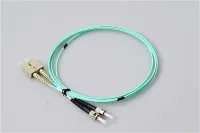
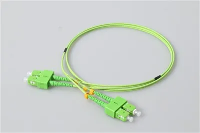
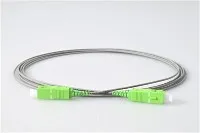
1. SC Connector: The SC (Subscriber Connector) connector is a popular choice for fiber optic ports. It features a square-shaped connector with a push-pull mechanism, making it easy to insert and remove. The SC connector is widely used for both single-mode and multimode fibers.
2. LC Connector: The LC (Lucent Connector) connector is another widely used fiber optic connector. It is smaller in size compared to the SC connector, making it suitable for high-density applications where space is limited. The LC connector is commonly used in data centers and telecommunication networks.
3. ST Connector: The ST (Straight Tip) connector is one of the earliest fiber optic connectors. It features a bayonet-style twist-lock mechanism that provides a secure connection. The ST connector is commonly used in network installations and can support both single-mode and multimode fibers.
4. MTP/MPO Connector: The MTP (Multi-fiber Push-On) or MPO (Multi-fiber Push-On) connector is designed to accommodate multiple fibers within a single connector. It is often used in high-density applications, such as backbone cabling or data centers, where multiple connections need to be made simultaneously.
These are just a few examples of fiber optic connectors commonly used in fiber optic ports. Each connector type has its advantages and specific applications, and choosing the right connector is crucial to ensure optimal performance and compatibility.
Importance of Fiber Optic Ports
Fiber optic ports play a vital role in the transmission of data across networks. They provide the physical interface between the fiber optic cable and the networking equipment, enabling seamless communication. Here are some key aspects highlighting the importance of fiber optic ports:
1. Data Transmission: Fiber optic ports facilitate the transmission of data signals over long distances with minimal loss or degradation. The high speed and reliability of fiber optics make them ideal for transmitting large volumes of data, ensuring smooth communication between devices.
2. Network Scalability: Fiber optic ports support high bandwidth, allowing for network scalability. As data demands increase, fiber optic ports can accommodate higher transmission speeds and accommodate more devices. This flexibility is crucial for the growth and expansion of modern networks.
3. Signal Quality: Fiber optic ports ensure excellent signal quality by minimizing signal loss, electromagnetic interference, and crosstalk. This results in a higher quality of data transmission, with fewer errors and reduced latency.
4. Versatility: Fiber optic ports are compatible with various networking devices, including routers, switches, and transceivers. They can be easily integrated into different types of networks, making them highly versatile in different applications and industries.
5. Future-proofing: With the increasing reliance on high-speed data transmission, fiber optic ports provide a future-proof solution. They can handle ever-increasing bandwidth requirements, ensuring that networks can keep up with the advancements in technology and data demands.
Conclusion
In conclusion, fiber optic ports are vital components in modern telecommunications and networking systems. Their physical appearance, often seen as rectangular slots with color-coded indicators, belies their significant role in enabling high-speed and reliable data transmission. Fiber optic ports, along with compatible connectors, provide the essential link between networking devices and fiber optic cables, ensuring seamless communication across networks. Understanding the structure and importance of fiber optic ports is crucial in building and maintaining efficient and robust communication systems in today''s digital age.