Is fiber optic better than Ethernet?
Introduction:
In today''s digital era, high-speed internet connectivity has become a necessity for individuals and businesses alike. With the increasing demand for faster and more reliable internet connections, two main technologies have emerged as the frontrunners: fiber optic and Ethernet. While both offer high-speed internet access, they differ in various aspects. This article aims to delve into the intricacies of fiber optic and Ethernet technologies, exploring their features, advantages, and disadvantages, to determine which one is better.
Fiber Optic Technology:
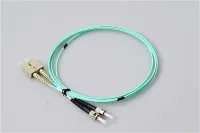
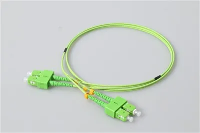
Fiber optic technology utilizes thin glass or plastic fibers to transmit data through pulses of light. It offers several key advantages over traditional copper-based alternatives like Ethernet. Some of the significant advantages of fiber optic technology are:
1. Bandwidth and Speed: Fiber optic cables have a much higher bandwidth compared to Ethernet, allowing for faster data transmission. With speeds up to 10 Gbps or even higher, fiber optics meet the demands of bandwidth-intensive applications and data-intensive tasks.
2. Signal Quality and Reliability: Fiber optic cables are immune to electromagnetic interference, which can degrade the signal quality. This makes fiber optics highly reliable for transmitting data over long distances without signal degradation or data loss.
3. Long Distances: Fiber optic cables can carry data over much longer distances without significant signal loss, unlike Ethernet cables. This makes fiber optics suitable for long-haul data transmission, connecting distant locations effortlessly.
5. Security: Fiber optic cables are more secure than Ethernet cables, as they are almost impossible to tap into without detection. This makes fiber optics highly desirable for transmitting sensitive and confidential data, ensuring data privacy and integrity.
Ethernet Technology:
Ethernet, on the other hand, has been the de facto standard for local area networks (LANs) for decades. Initially developed by Xerox in the 1970s, Ethernet has evolved over time and continues to dominate LAN connectivity. Let''s explore some of the significant advantages and disadvantages of Ethernet:
1. Cost-Effectiveness: Ethernet technology is generally less expensive to implement compared to fiber optics, especially for shorter distances. Ethernet cables are widely available and compatible with a vast range of devices, making them a cost-effective choice for LAN connectivity.
2. Compatibility and Familiarity: Ethernet has been around for a long time and is compatible with almost every device that requires internet connectivity. This compatibility and familiarity make Ethernet a convenient choice for average users who rely on simple local area networks.
3. Latency and Delay: Ethernet typically has lower latency and delay compared to fiber optic connections. This makes Ethernet more suitable for applications that require real-time data transmission, such as voice and video conferencing or online gaming.
4. Flexibility and Scalability: Ethernet offers greater flexibility and scalability in terms of network infrastructure. It supports various network topologies, including star and bus configurations, making it easier to expand or modify network setups as per requirements.
5. Distance Limitations: One significant disadvantage of Ethernet is its limited reach. Ethernet cables can transmit data reliably only up to certain distances, typically 100 meters for copper-based cables. Beyond this distance, data loss and signal degradation may occur.
Conclusion:
In conclusion, both fiber optic and Ethernet technologies have their unique set of advantages and disadvantages. The choice between them depends on various factors, such as the required bandwidth, distance, security needs, and budget constraints. If high-speed, long-distance, and secure data transmission are of utmost importance, fiber optic technology emerges as the better option. On the other hand, Ethernet technology is cost-effective, familiar, and more suitable for average users and small-scale local area networks.
Ultimately, the decision between fiber optic and Ethernet technology rests on the specific needs and priorities of the user or organization. Keeping in mind the rapid advancements in technology, it is crucial to assess the requirements and take into account future scalability when making an informed decision. Whether it''s fiber optic or Ethernet, both technologies have revolutionized the way we communicate and connect in the modern world.