Is fiber optic better than Ethernet?
Introduction:
The debate between fiber optic and Ethernet has been a hot topic in the world of networking and telecommunications. Both technologies play a crucial role in transferring data, but it is important to understand their differences and evaluate their respective advantages and disadvantages. In this article, we aim to explore the characteristics of fiber optic and Ethernet, compare their performance, flexibility, reliability, and cost-effectiveness, and ultimately determine which technology is better suited for specific applications.
Understanding Fiber Optic Technology:
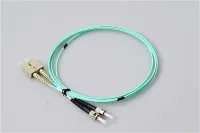
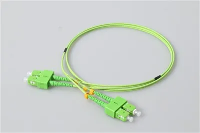
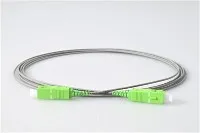
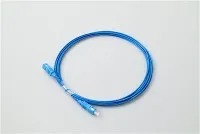
Fiber optic technology utilizes thin strands of glass or plastic, known as optical fibers, to transmit data as pulses of light. The light signals bounce off the inner walls of the fibers, thanks to the principle of total internal reflection, allowing data to be transmitted over long distances with minimal loss and interference. The use of light instead of electrical signals significantly enhances the speed and capacity of data transmission.
Understanding Ethernet Technology:
Ethernet technology, on the other hand, relies on copper cables and electrical signals to transfer data. It is a standard for wired local area networks (LANs) and wide area networks (WANs). Ethernet has evolved over the years, with different versions offering varying speeds and capabilities, such as 10 Mbps (10BASE-T), 100 Mbps (Fast Ethernet), 1 Gbps (Gigabit Ethernet), and even higher speeds with the latest advancements.
Comparing Performance:
When it comes to performance, fiber optic unquestionably outperforms Ethernet. Fiber optic cables have the ability to transmit data at much higher speeds, ranging from 10 Gbps to 100 Gbps or even higher, depending on the technology and infrastructure. This high bandwidth makes fiber optic ideal for applications that require large data transfers or real-time transmission, such as high-definition video streaming, cloud computing, and teleconferencing.
In comparison, Ethernet has its limitations, particularly in terms of speed and distance. Although Gigabit Ethernet offers impressive speeds up to 1 Gbps, it may not suffice for certain bandwidth-intensive applications. Additionally, Ethernet performance degrades significantly over longer distances, typically limited to 100 meters without the use of additional equipment, such as repeaters or switches.
Exploring Flexibility:
In terms of flexibility, Ethernet holds an advantage over fiber optic. Ethernet technology is widely adopted and compatible with various devices, including computers, routers, switches, and even consumer-grade network equipment. It offers a plug-and-play experience, allowing for easy setup and configuration in both residential and commercial environments.
On the contrary, fiber optic technology requires specialized equipment, such as transceivers and media converters, to convert electrical signals into optical signals and vice versa. The installation and management of fiber optic networks can be more complex and costly, requiring trained professionals and specialized tools. However, advancements in technology have made fiber optic more accessible and user-friendly in recent years.
Examining Reliability:
Reliability is a crucial aspect in networking, and both fiber optic and Ethernet have their strengths in this area. Fiber optic cables are immune to electromagnetic interference, making them resistant to interruptions caused by nearby power lines, electrical equipment, or even lightning strikes. This inherent immunity ensures consistent and reliable data transmission, making fiber optic an ideal choice for critical applications that require high availability and reliability.
Ethernet, on the other hand, may suffer from interference and signal degradation due to electrical noise. This can result in packet loss, slower speeds, and increased latency. However, with proper design, shielding, and grounding, Ethernet can still provide reliable connectivity in most scenarios. The reliability of Ethernet can also be improved by implementing redundant links and network equipment.
Analyzing Cost-effectiveness:
Cost is a significant factor that influences the choice between fiber optic and Ethernet. Historically, fiber optic has been more expensive to deploy compared to Ethernet due to the higher cost of materials, installation, and specialized equipment. However, the cost gap between the two technologies has been gradually decreasing over the years as fiber optic equipment becomes more affordable and widespread.
Factors such as the required bandwidth, distance, and the number of connections also affect the cost-effectiveness of each technology. For short distances and lower bandwidth requirements, Ethernet can provide a cost-effective solution. However, as the distance increases or higher bandwidths are needed, fiber optic may offer a more cost-effective option in the long run, thanks to its scalability and capacity to support future technology advancements.
Conclusion:
In conclusion, the question of whether fiber optic is better than Ethernet does not have a straightforward answer. Each technology has its own advantages and limitations, making them suitable for different scenarios. Fiber optic excels in terms of performance, offering high speeds and long-distance data transmission, ideal for bandwidth-intensive applications. Ethernet, on the other hand, provides flexibility, compatibility, and ease of use, making it suitable for most residential and small-scale commercial environments.
When making a decision, it is essential to consider factors such as the required bandwidth, distance, reliability, and budget. In many cases, a combination of both fiber optic and Ethernet may be the best solution, depending on the specific networking requirements. Ultimately, the choice between fiber optic and Ethernet should be determined by the particular needs of the application at hand and the available resources.