Introduction
Fiber optic cables are an essential part of modern communication networks, allowing for high-speed transmission of data over long distances. However, just like any other piece of technology, they can sometimes malfunction or get damaged. One question that often arises in such a scenario is whether fiber optic cables can be patched. In this article, we will explore this question in depth and provide you with a comprehensive overview of all the factors involved.
What are fiber optic cables?
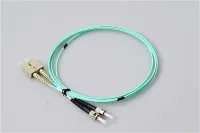
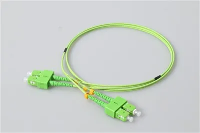
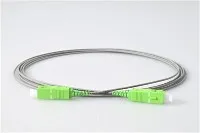
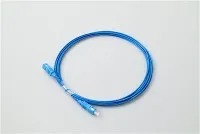
Fiber optic cables are made up of thin strands of optical fibers, which are essentially very thin tubes made of glass or plastic. These fibers are bundled together to form a cable, which is then covered in protective layers to prevent damage. Light is transmitted through the fibers, allowing data to be sent at high speeds over long distances.
Why would you need to patch a fiber optic cable?
There are a few reasons why you might need to patch a fiber optic cable. One common reason is damage to the cable itself. This could be caused by anything from accidental cuts during installation to natural wear and tear over time. Another reason is a malfunction in the equipment that connects to the cable. For example, a faulty connector could prevent data from being transmitted effectively.
Can fiber optic cables be patched?
The short answer is yes, fiber optic cables can be patched. However, there are several factors that need to be taken into consideration.
Type of damage
The first factor to consider is the type of damage that has occurred. In some cases, the damage may be too severe to be repaired with a patch. For example, if the cable has been completely severed, it may need to be replaced entirely. However, if the damage is less severe, a patch may be able to restore the cable to working condition.
Location of the damage
Another factor to consider is the location of the damage. If the damage is near the end of the cable, it may be easier to replace the entire cable rather than attempting to repair it. However, if the damage is in the middle of the cable, a patch may be a more viable option.
Type of patch
There are two main types of patches that can be used to repair a fiber optic cable: mechanical splices and fusion splices.
Mechanical splices involve attaching two pieces of the cable together using a mechanical device, such as a clamp or sleeve. This type of patch is generally quicker and easier to perform than a fusion splice, but may be less reliable in the long run.
Fusion splices involve fusing the two damaged ends of the fiber together using heat. This creates a permanent, seamless connection that is highly reliable. However, fusion splices are more complex to perform and require specialized equipment.
Quality of the patch
The quality of the patch is also an important factor to consider. A poorly executed patch can lead to reduced performance or even further damage to the cable. It is important to ensure that the patch is performed by a qualified technician using high-quality equipment and materials.
Alternatives to patching
While patching a fiber optic cable is often the most cost-effective solution, there are some situations where it may not be the best option. For example, if the damage is likely to occur again in the future, it may be more cost-effective to replace the entire cable. Additionally, if the cable is already very old or outdated, it may be more practical to upgrade to a newer technology instead of patching the existing cable.
Conclusion
In conclusion, fiber optic cables can be patched under the right circumstances. However, it is important to consider factors such as the type and location of the damage, the type of patch to be used, and the quality of the patch. Ultimately, the decision to patch or replace a cable will depend on a variety of factors specific to each situation.