Hey there, fellow tech enthusiasts! As a supplier of Fiber Optic SC Pigtails, I often get asked about return loss. So, let's dig into what the return loss of a Fiber Optic SC Pigtail is all about.
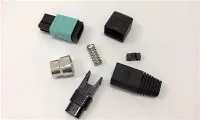
First off, we need to understand the basics. A Fiber Optic SC Pigtail is a single, short, usually pre-terminated fiber optic cable that has an SC connector on one end and a bare fiber on the other. The SC connector is a push-pull type connector, widely used in fiber optic networks because it's easy to install and provides a reliable connection. You can check out our Fiber Optic Sc Pigtail 2.0mm and Fiber Optic Sc Pigtail on our website.
Now, let's talk about return loss. Return loss is a measure of how well a component or a device in a fiber optic system returns or reflects light back towards the source. In simpler terms, it's about how much of the light that's sent through the fiber optic cable bounces back instead of continuing on its intended path.
We measure return loss in decibels (dB). A higher return loss value means less light is being reflected back, which is generally a good thing. For example, a return loss of -50 dB is better than -30 dB because less light is being sent back to the source in the -50 dB case.
There are several factors that can affect the return loss of a Fiber Optic SC Pigtail. One of the main factors is the quality of the connector termination. When the SC connector is attached to the fiber, any imperfections in the polishing process can cause light to scatter and reflect. If the end face of the connector isn't smooth and flat, it can create little bumps or rough spots that act like mirror surfaces, bouncing light back.
Another factor is the cleanliness of the connector. Dust, dirt, and even fingerprints can cause significant reflections. You'd be surprised how much a tiny speck of dust on the connector end face can mess up the return loss. That's why it's super important to keep the connectors clean, especially when installing or handling them.
The type of fiber used in the pigtail also plays a role. Different fiber types have different refractive indices, which can affect how light travels through them. Single-mode fibers and multi-mode fibers behave differently in terms of return loss. Single-mode fibers typically have lower return losses because they only allow one mode of light to propagate, which reduces the chances of internal reflections.
Now, let's compare Fiber Optic SC Pigtails with Fiber Optic Fc Pigtail. The FC connectors use a screw-on mechanism instead of the push-pull design of the SC connectors. While both types are used in fiber optic networks, their return loss characteristics can vary. The return loss of an FC pigtail might be affected differently by factors like termination quality and environmental conditions. For example, the screw-on connection of the FC connector might be more prone to loosening over time, which could potentially increase reflections and lower the return loss.
Measuring the return loss of a Fiber Optic SC Pigtail is crucial. We use special instruments like an Optical Time Domain Reflectometer (OTDR) or a Return Loss Test Set (RLTS). These devices send light pulses into the fiber and measure the amount of light that comes back. By analyzing the strength of the reflected light, we can calculate the return loss.
In the real world, good return loss performance is essential for the proper functioning of fiber optic networks. In a data center, for example, high return loss values can lead to signal degradation and errors in data transmission. If too much light is reflected back, it can interfere with the original signal, causing disruptions and reducing the overall efficiency of the network.
As a supplier, we take great care to ensure that our Fiber Optic SC Pigtails have excellent return loss performance. We follow strict quality control procedures during the manufacturing process. Our technicians are trained to do precise connector terminations and thorough polishing to minimize reflections. We also have quality testing stations where we measure the return loss of every single pigtail before it leaves our facility. This way, we can guarantee that the pigtails we supply meet the highest standards.
If you're in the market for Fiber Optic SC Pigtails, it's important to look for a supplier that can provide detailed information about the return loss of their products. You don't want to end up with pigtails that have poor return loss, as it can lead to all sorts of problems down the line. That's where we come in! We're committed to providing you with high-quality Fiber Optic SC Pigtails that offer great return loss performance.
So, if you're interested in our Fiber Optic SC Pigtails or want to learn more about return loss and how it affects your fiber optic network, don't hesitate to reach out. We're always here to answer your questions and help you make the right choice for your needs. Whether you're setting up a new network or upgrading an existing one, we've got the right pigtails for you.


In conclusion, understanding the return loss of a Fiber Optic SC Pigtail is key to ensuring the smooth operation of your fiber optic system. By choosing a reliable supplier and paying attention to return loss values, you can avoid a lot of headaches and keep your network running at its best. So, get in touch with us today and let's start this fiber optic journey together!
References
- Fiber Optic Basics, by Richard E. Epworth
- Optical Fiber Communication Systems, by Govind P. Agrawal