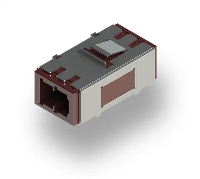
As a provider of Fiber Optic SC Connectors, I often encounter inquiries from customers regarding the differences between single - mode and multi - mode Fiber Optic SC Connectors. In this blog post, I will delve into the characteristics, applications, and distinctions of these two types of connectors to help you make informed decisions for your fiber optic needs.
What are Fiber Optic SC Connectors?
Fiber Optic SC Connectors, also known as Subscriber Connector or Square Connector, are a popular type of fiber optic connector. They are characterized by a push - pull mechanism, which allows for quick and easy installation and removal. The SC connector has a 2.5mm ferrule, which holds the fiber optic cable in place and ensures accurate alignment for efficient light transmission.
Single - mode Fiber Optic SC Connectors
Single - mode fiber optic cables are designed to carry a single ray of light, or mode, through the core of the fiber. The core diameter of a single - mode fiber is typically around 8 - 10 microns, which is much smaller compared to multi - mode fibers. This small core size enables the single - mode fiber to transmit light over long distances with minimal signal loss.
Characteristics
- Long - distance transmission: Single - mode SC connectors are ideal for long - haul communication systems, such as telecommunications networks, data centers connecting buildings across a large campus, or inter - city and inter - country connections. They can transmit data over distances of up to several kilometers without significant signal degradation.
- High bandwidth: With their ability to support high - speed data transmission, single - mode connectors are suitable for applications that require large amounts of data to be transferred quickly, such as high - definition video streaming, cloud computing, and high - performance computing.
- Low dispersion: Dispersion refers to the spreading of light pulses as they travel through the fiber. Single - mode fibers have low dispersion, which means that the light signals can maintain their shape and integrity over long distances, resulting in clear and accurate data transmission.
Applications
- Telecommunications: Single - mode SC connectors are widely used in telephone networks for long - distance voice and data transmission. They are also used in fiber - to - the - home (FTTH) installations to provide high - speed internet access to residential customers.
- Data centers: In large data centers, single - mode connectors are used to connect servers, storage systems, and networking equipment across different floors or buildings. They ensure reliable and high - speed data transfer between various components of the data center infrastructure.
Multi - mode Fiber Optic SC Connectors
Multi - mode fiber optic cables, on the other hand, can carry multiple rays of light, or modes, simultaneously through the core of the fiber. The core diameter of a multi - mode fiber is typically 50 or 62.5 microns, which is larger than single - mode fibers. This larger core size allows for easier coupling of light into the fiber, but it also results in higher signal loss over long distances.
Characteristics
- Short - distance transmission: Multi - mode SC connectors are best suited for short - range applications, such as local area networks (LANs) within a building or a small campus. They are typically used for distances up to a few hundred meters.
- Lower cost: Multi - mode fibers and connectors are generally less expensive than single - mode counterparts. This makes them a cost - effective solution for small - to - medium - sized businesses and home networks.
- Higher dispersion: Due to the larger core size, multi - mode fibers have higher dispersion compared to single - mode fibers. This can limit the data transmission speed and distance, as the light signals can spread out and interfere with each other.
Applications
- Local area networks (LANs): Multi - mode SC connectors are commonly used in office buildings, schools, and hospitals to connect computers, printers, and other network devices. They provide a reliable and cost - effective solution for short - range data communication.
- Enterprise data centers: In smaller data centers or within a single data center room, multi - mode connectors are often used to connect servers, switches, and storage devices. They can support the high - speed data transfer requirements of these environments over short distances.
Key Differences between Single - mode and Multi - mode Fiber Optic SC Connectors
Core Size
The most obvious difference between single - mode and multi - mode SC connectors is the core size of the fiber optic cable they are used with. Single - mode fibers have a small core (8 - 10 microns), while multi - mode fibers have a larger core (50 or 62.5 microns). This difference in core size affects the way light is transmitted through the fiber and ultimately determines the performance characteristics of the connector.
Transmission Distance
Single - mode SC connectors are designed for long - distance transmission, while multi - mode connectors are better suited for short - distance applications. The small core size of single - mode fibers allows for low signal loss over long distances, while the larger core size of multi - mode fibers results in higher signal loss as the distance increases.
Bandwidth and Speed
Single - mode connectors can support higher bandwidth and faster data transmission speeds compared to multi - mode connectors. This is because single - mode fibers have lower dispersion, which enables them to transmit light signals more efficiently over long distances. Multi - mode connectors, on the other hand, are limited by their higher dispersion, which can reduce the data transmission speed and distance.
Cost
Multi - mode SC connectors are generally less expensive than single - mode connectors. The cost of the fiber optic cable, the connector itself, and the associated equipment is lower for multi - mode systems. This makes multi - mode connectors a more attractive option for applications where cost is a major consideration.
Related Products
If you are interested in other types of fiber optic connectors, we also offer a wide range of products, including Fiber Optic Pigtail FC APC 12 COLORS, Ferrule Field Assembly Connector Fast/Quick Connector, and Fiber Optic FC Connecter. These products are designed to meet the diverse needs of our customers in various fiber optic applications.


Conclusion
In summary, the choice between single - mode and multi - mode Fiber Optic SC Connectors depends on several factors, including the transmission distance, bandwidth requirements, and cost considerations. Single - mode connectors are ideal for long - distance, high - speed applications, while multi - mode connectors are more suitable for short - range, cost - sensitive applications. As a trusted provider of Fiber Optic SC Connectors, we can help you select the right connector for your specific needs. If you have any questions or would like to discuss your fiber optic requirements, please feel free to contact us for a detailed consultation and procurement negotiation.
References
- “Fiber Optic Communication Systems,” by Govind P. Agrawal.
- “Optical Fiber Telecommunications VI,” edited by Ivan Kaminow, Tingye Li, and Alan E. Willner.