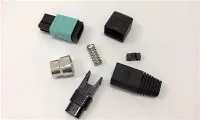
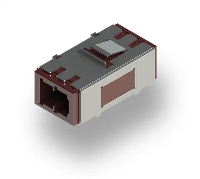
Fiber optic FC connectors are crucial components in the field of optical communication, facilitating the seamless transmission of data through fiber optic cables. As a supplier of fiber optic FC connectors, I often encounter inquiries about the differences between male and female FC connectors. Understanding these differences is essential for proper installation, maintenance, and overall system performance. In this blog post, I will delve into the key distinctions between male and female fiber optic FC connectors, shedding light on their unique features and applications.
Physical Structure
The most apparent difference between male and female fiber optic FC connectors lies in their physical structure. The male FC connector, also known as the plug, features a protruding ferrule at the center. This ferrule holds the fiber optic cable and is precisely aligned to ensure accurate light transmission. The male connector is typically designed with a threaded outer body, which allows for a secure and stable connection when mating with the female connector.
On the other hand, the female FC connector, or the socket, has a receptacle where the male connector's ferrule fits. The female connector's receptacle is designed to provide a precise alignment for the male ferrule, ensuring minimal signal loss during data transmission. Similar to the male connector, the female connector also has a threaded outer body, which enables it to be securely fastened to the male connector.
Mating Process
The mating process of male and female fiber optic FC connectors is straightforward but requires careful handling to prevent damage to the connectors and fiber optic cables. To connect the male and female connectors, first, ensure that both connectors are clean and free from any dust or debris. This can be achieved by using a specialized fiber optic cleaning tool, such as a lint-free wipe or a cleaning swab.
Next, align the male connector's ferrule with the female connector's receptacle. Slowly insert the male connector into the female connector, turning the outer threads clockwise until the connectors are firmly tightened. It is important not to overtighten the connectors, as this can cause damage to the threads or the ferrule.
When disconnecting the connectors, simply turn the outer threads counterclockwise until the connectors are loose. Gently pull the male connector out of the female connector, taking care not to bend or twist the fiber optic cable.
Performance Characteristics
In terms of performance, male and female fiber optic FC connectors generally exhibit similar characteristics. Both connectors are designed to provide low insertion loss, high return loss, and excellent signal transmission stability. However, there are some subtle differences that can affect the overall performance of the connectors.
One factor that can influence performance is the quality of the ferrule polish. The ferrule polish plays a crucial role in ensuring a smooth and flat surface for light transmission. A high-quality ferrule polish can minimize signal reflection and improve the overall signal quality. In general, male connectors may require a slightly higher level of ferrule polish quality due to their protruding design, which can be more susceptible to damage during handling.
Another factor that can affect performance is the tightness of the connection. A loose connection between the male and female connectors can result in increased insertion loss and signal degradation. Therefore, it is essential to ensure that the connectors are properly tightened during installation to maintain optimal performance.
Applications
Male and female fiber optic FC connectors are widely used in various applications, including telecommunications, data centers, local area networks (LANs), and fiber-to-the-home (FTTH) networks. In telecommunications networks, FC connectors are commonly used for connecting optical transceivers, optical amplifiers, and other optical equipment.
In data centers, FC connectors are used to connect servers, storage devices, and network switches, providing high-speed data transmission and reliable connectivity. The threaded design of FC connectors makes them suitable for applications where a secure and stable connection is required, such as in industrial environments or outdoor installations.
In LANs and FTTH networks, FC connectors are used to connect optical network units (ONUs) to optical line terminals (OLTs), enabling high-speed internet access and other broadband services. The availability of both male and female connectors allows for flexible installation and easy integration into existing network infrastructure.
Compatibility
When selecting male and female fiber optic FC connectors, it is important to ensure they are compatible with each other and with the other components of the fiber optic system. Compatibility issues can arise if the connectors have different fiber types, such as single-mode or multimode fibers, or if they have different connector sizes or configurations.
In addition to compatibility with other connectors, it is also important to consider the compatibility of the connectors with the fiber optic cables. Different fiber optic cables have different core diameters and numerical apertures, which can affect the performance of the connectors. Therefore, it is essential to choose connectors that are specifically designed for the type of fiber optic cable being used.
Our Product Offerings
As a leading supplier of fiber optic FC connectors, we offer a wide range of high-quality male and female FC connectors to meet the diverse needs of our customers. Our connectors are manufactured using the latest technology and high-quality materials, ensuring excellent performance and reliability.
In addition to standard FC connectors, we also offer specialized connectors, such as the 3 In 1 Ip68 Waterproof Connector, which is designed for use in harsh environments where water and dust protection is required. We also offer Fiber Optic Fast Connector Sc and Fiber Optic Sc Connector, providing customers with more options for their fiber optic connectivity needs.


Conclusion
In conclusion, understanding the differences between male and female fiber optic FC connectors is essential for anyone involved in the installation, maintenance, or operation of fiber optic networks. By knowing the physical structure, mating process, performance characteristics, applications, and compatibility of these connectors, you can make informed decisions when selecting and using them in your fiber optic systems.
If you have any questions or need further information about our fiber optic FC connectors or other fiber optic products, please do not hesitate to contact us. Our team of experts is always ready to assist you with your fiber optic connectivity needs. We look forward to the opportunity to work with you and help you achieve your fiber optic network goals.
References
- "Fiber Optic Connector Handbook", Second Edition, by Peter A. Andonovic and Raymond G. Walker
- "Optical Fiber Communications: Principles and Practice", Fourth Edition, by John M. Senior and M. Yousif Jamal