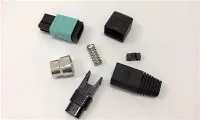
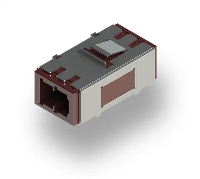
As a supplier of Fiber Optic FC Connectors, I understand the critical importance of protecting these connectors from dust and dirt. In the fiber optic communication field, even the slightest amount of dust or dirt can significantly degrade the performance of the connectors, leading to signal loss, increased attenuation, and potential system failures. In this blog post, I will share some effective strategies and best practices on how to protect Fiber Optic FC Connectors from dust and dirt.
Understanding the Impact of Dust and Dirt on Fiber Optic FC Connectors
Before diving into the protection methods, it's essential to understand why dust and dirt are such a threat to Fiber Optic FC Connectors. These connectors rely on a precise alignment of the fiber cores to transmit light signals efficiently. When dust particles or dirt accumulate on the connector end - face, they can block or scatter the light, causing signal loss. Moreover, abrasive particles can scratch the delicate end - face, permanently damaging the connector and reducing its lifespan.
Protective Caps
One of the simplest and most effective ways to protect Fiber Optic FC Connectors from dust and dirt is by using protective caps. These caps are designed to fit snugly over the connector end - face, creating a physical barrier that prevents dust and dirt from coming into contact with the sensitive surface. When the connector is not in use, always ensure that the protective cap is in place.
There are different types of protective caps available, including plastic and rubber caps. Plastic caps are lightweight and cost - effective, while rubber caps offer a more secure fit and better protection against moisture. Make sure to choose caps that are specifically designed for FC connectors to ensure a proper fit. You can find a wide range of high - quality protective caps for Fiber Optic FC Connecter on our website.
Cleaning Kits
Regular cleaning is another crucial aspect of protecting Fiber Optic FC Connectors from dust and dirt. Cleaning kits typically include lint - free wipes and cleaning solutions that are specially formulated for fiber optic connectors. When cleaning the connector, first remove the protective cap carefully. Then, use a lint - free wipe soaked in the cleaning solution to gently wipe the end - face in a single, straight motion. Avoid circular motions as they can spread the dirt around.
It's important to note that you should only use cleaning products that are approved for fiber optic use. Using improper cleaning agents can leave residues or cause damage to the connector. Our company offers a variety of reliable cleaning kits that are suitable for Fiber Optic FC Connecter cleaning.
Environmental Control
The environment in which the Fiber Optic FC Connectors are installed and used also plays a significant role in dust and dirt protection. Try to install the connectors in clean, dust - free environments. If possible, use enclosures or cabinets that can provide an additional layer of protection. These enclosures can be sealed to prevent dust from entering and can also help regulate temperature and humidity, which are important factors for the long - term performance of fiber optic connectors.
In industrial or outdoor settings, where dust and dirt are more prevalent, consider using protective covers or shields. These can be installed around the connectors to deflect dust and debris. Additionally, air filtration systems can be used to reduce the amount of dust in the air, further protecting the connectors.
Handling Precautions
Proper handling of Fiber Optic FC Connectors is essential to prevent dust and dirt contamination. When handling the connectors, always wear clean gloves to avoid transferring oils and dirt from your hands to the connector. Avoid touching the end - face directly with your fingers.
When installing or removing the connectors, make sure to do it in a clean area. If you need to disconnect a connector temporarily, place it on a clean surface or in a protective case. Also, be careful when routing the fiber optic cables to prevent them from dragging on dirty surfaces, which could introduce dust and dirt to the connectors.
Inspection and Testing
Regular inspection and testing of Fiber Optic FC Connectors are necessary to ensure that they are free from dust and dirt and are functioning properly. Use a fiber optic microscope to inspect the end - face of the connector. This will allow you to detect any signs of dust, dirt, scratches, or other damage.
If you notice any dust or dirt on the end - face during the inspection, clean the connector immediately. After cleaning, perform a continuity test to ensure that the signal is being transmitted correctly. Our company can provide you with high - quality inspection and testing equipment to help you maintain the performance of your Fiber Optic FC Connecter.
Compatibility with Other Connectors
In a fiber optic network, you may encounter different types of connectors, such as Fiber Optic Sc Connector and Fiber Optic Mu Connector. While the basic principles of dust and dirt protection are similar for all connectors, it's important to use the appropriate protective measures for each type. For example, the protective caps and cleaning kits may vary slightly in size and design for different connector types.
When working with a mixed - connector network, make sure to label the connectors clearly to avoid confusion. This will ensure that the correct protective and cleaning procedures are followed for each connector.
Conclusion
Protecting Fiber Optic FC Connectors from dust and dirt is essential for maintaining the performance and reliability of fiber optic networks. By using protective caps, cleaning kits, controlling the environment, following proper handling precautions, and conducting regular inspection and testing, you can significantly reduce the risk of dust and dirt contamination.
As a leading supplier of Fiber Optic FC Connecter, we are committed to providing high - quality products and comprehensive solutions for fiber optic connectivity. If you are interested in purchasing Fiber Optic FC Connectors or need more information about dust and dirt protection, please feel free to contact us for procurement and negotiation. We look forward to serving you and helping you build a more efficient and reliable fiber optic network.


References
- “Fiber Optic Connector Handbook” by industry experts.
- Technical documents from major fiber optic component manufacturers.