Hey there! As a supplier of fiber optic patch cords, I often get asked about the differences between indoor and outdoor fiber optic patch cords. It's a crucial topic, especially for those looking to set up reliable fiber optic networks. So, let's dive right in and explore the ins and outs of these two types of patch cords.
Construction and Design
First off, let's talk about the construction. Indoor fiber optic patch cords are designed with a focus on flexibility and ease of installation. They usually have a thinner and more lightweight jacket, which makes them easier to handle and route through tight spaces like office buildings, data centers, and homes. The jacket material is often made of PVC (Polyvinyl Chloride) or LSZH (Low Smoke Zero Halogen), which is non - toxic and emits less smoke in case of a fire. This is important for indoor environments where safety is a top concern.
On the other hand, outdoor fiber optic patch cords need to withstand harsh environmental conditions. They have a much more rugged construction. The outer jacket is typically made of materials like polyethylene or armored materials. Polyethylene is highly resistant to water, UV rays, and chemicals, which are common threats in outdoor settings. Armored outdoor patch cords have an additional layer of metal or fiberglass reinforcement, providing extra protection against physical damage from rodents, construction work, or even extreme weather events like heavy snow or strong winds.
Protection Against the Elements
One of the most significant differences between indoor and outdoor patch cords is their ability to protect against the elements. Indoor patch cords are not designed to be exposed to water, dust, or extreme temperatures. If you were to use an indoor patch cord outdoors, it would quickly degrade due to moisture ingress, which can lead to signal loss and even complete failure of the fiber optic connection.
Outdoor patch cords, however, are built to handle all sorts of weather conditions. For example, Ip 68 Waterproof Patch Cord is specifically designed to be completely waterproof. It can be submerged in water for extended periods without any damage to the fiber inside. This is essential for outdoor installations such as underground cabling, bridges, or areas prone to flooding. UV protection is also a key feature of outdoor patch cords. The sun's ultraviolet rays can break down the materials in the patch cord over time, so outdoor patch cords are treated to resist UV degradation.
Bend Radius and Tensile Strength
Bend radius is another factor that sets indoor and outdoor patch cords apart. Indoor patch cords usually have a smaller bend radius, which means they can be bent more tightly without causing significant signal loss. This is useful in indoor environments where space is limited, and cables need to be routed around corners and through small openings.
Outdoor patch cords, due to their thicker and more rigid construction, have a larger bend radius. However, they have a much higher tensile strength. Tensile strength refers to the maximum amount of pulling force a patch cord can withstand without breaking. Outdoor installations often involve pulling the patch cords over long distances, sometimes through conduits or trenches. A high tensile strength ensures that the patch cord can be installed without being damaged during the pulling process.
Connector Types
The connector types used in indoor and outdoor patch cords can also vary. Indoor patch cords commonly use connectors like SC, LC, and ST. These connectors are easy to install and are widely used in data centers and office networks. For example, the Fiber Optic Fanout Pigtail Sc Apc is a popular choice for indoor applications where high - precision connections are required.
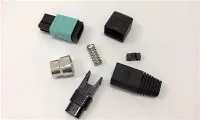
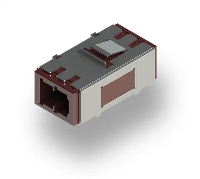
Outdoor patch cords may use the same connector types, but they are often designed with additional protection. For instance, outdoor connectors may have a dust cap or a waterproof housing to prevent moisture and dirt from entering the connector. Some outdoor applications also use specialized connectors like the Fiber Optic Mu Patchcord, which are designed to be more robust and suitable for harsh outdoor conditions.


Cost Considerations
Cost is always a factor when choosing between indoor and outdoor fiber optic patch cords. Generally, outdoor patch cords are more expensive than indoor ones. This is mainly due to their more complex construction and the need for materials that can withstand harsh environments. However, it's important to remember that using an indoor patch cord in an outdoor application can lead to costly repairs and downtime in the long run. So, it's always worth investing in the right type of patch cord for your specific needs.
Installation and Maintenance
Indoor patch cord installation is relatively straightforward. Since they are lightweight and flexible, they can be easily routed through cable trays, conduits, or walls. Maintenance is also relatively simple, usually just requiring occasional cleaning of the connectors to ensure a good signal connection.
Outdoor patch cord installation, on the other hand, is more complex. It often involves trenching, burying the cables, or installing them on poles. Specialized equipment and techniques are required to ensure proper installation. Maintenance of outdoor patch cords also requires more effort. Regular inspections are needed to check for signs of damage from the environment or physical interference.
Conclusion
In conclusion, the differences between indoor and outdoor fiber optic patch cords are significant. From construction and protection against the elements to bend radius, connector types, cost, and installation, each type is designed to meet specific requirements. As a supplier, I always recommend choosing the right patch cord based on your application. If you're setting up an indoor network, indoor patch cords are the way to go. But for outdoor installations, make sure you invest in high - quality outdoor patch cords that can withstand the rigors of the environment.
If you're in the market for fiber optic patch cords, whether indoor or outdoor, I'd love to have a chat with you. We can discuss your specific needs and find the best solution for your project. Don't hesitate to reach out and start the procurement process.
References
- Fiber Optic Association (FOA) - Fiber Optic Installation and Maintenance Guide
- Telecommunications Industry Association (TIA) Standards for Fiber Optic Cables