Hey there! As a supplier of Fiber Optic ST Pigtails, I often get asked about the difference between armored and non - armored ones. So, I thought I'd break it down for you in this blog.
Let's start with the basics. First off, what are Fiber Optic ST Pigtails? Well, these are short lengths of fiber optic cable with a pre - terminated ST connector at one end. They're super useful for connecting fiber optic equipment, like switches, routers, and patch panels. If you're interested in checking out our range of Fiber Optic St Pigtails, just click on the link.
Now, onto the main topic: the difference between armored and non - armored Fiber Optic ST Pigtails.

Physical Structure
The most obvious difference is in their physical structure. Non - armored Fiber Optic ST Pigtails have a relatively simple design. They typically consist of a fiber core, surrounded by a cladding layer, a buffer coating, and an outer jacket. The outer jacket is usually made of materials like PVC or LSZH (Low - Smoke Zero - Halogen), which are flexible and lightweight. This makes them easy to install and route in tight spaces.
On the other hand, armored Fiber Optic ST Pigtails have an additional layer of protection. They have a metal armor layer, usually made of stainless steel or aluminum, between the buffer coating and the outer jacket. This armor layer adds a lot of strength and durability to the pigtail.
Protection Level
When it comes to protection, there's a huge gap between the two. Non - armored pigtails are vulnerable to physical damage. They can be easily cut, crushed, or punctured by sharp objects. For example, if you're working in an environment where there are a lot of moving parts or where tools might accidentally come into contact with the cables, non - armored pigtails are at risk.
Armored pigtails, however, are built to withstand much more abuse. The metal armor acts as a shield against physical damage. It can resist cuts, abrasions, and even rodent bites. In industrial settings, where there are harsh conditions and a high risk of mechanical damage, armored pigtails are the go - to choice.
Environmental Resistance
Environmental factors also play a big role in the difference between these two types of pigtails. Non - armored pigtails are generally suitable for indoor use or in relatively clean and protected outdoor environments. They may not perform well in extreme temperatures, high humidity, or areas with exposure to chemicals.
Armored pigtails, on the other hand, are more resistant to environmental factors. The armor layer provides some insulation against temperature changes, and it can also protect the fiber from moisture and chemicals. This makes them ideal for outdoor installations, such as in telecommunications networks, where the cables are exposed to the elements.
Installation
Installation is another area where the two differ. Non - armored pigtails are a breeze to install. Their flexibility allows them to be easily bent and routed through conduits, trays, and other cable management systems. You don't need any special tools or skills to install them.
Armored pigtails, while not overly difficult to install, do require a bit more care. The armor layer makes them stiffer than non - armored pigtails, so you need to be careful when bending them to avoid damaging the fiber inside. You may also need special tools to cut and terminate the armor layer properly.
Cost
Cost is always a consideration when choosing between different types of products. Non - armored Fiber Optic ST Pigtails are generally less expensive than their armored counterparts. This is because they have a simpler design and use less material. If you're on a tight budget and your application doesn't require a high level of protection, non - armored pigtails are a cost - effective option.
Armored pigtails, however, come with a higher price tag. The additional cost is due to the extra materials used for the armor layer and the more complex manufacturing process. But if you need a pigtail that can withstand harsh conditions and provide long - term reliability, the investment in armored pigtails is worth it.
Applications
The choice between armored and non - armored pigtails also depends on the application. Non - armored pigtails are commonly used in data centers, offices, and other indoor environments where the cables are protected from physical damage. They're also a good choice for applications where flexibility is important, such as in patch panels.
Armored pigtails are often used in industrial settings, outdoor installations, and areas where there is a high risk of physical damage. For example, they're used in mining, oil and gas, and transportation industries. They're also suitable for military applications, where the cables need to be rugged and reliable.
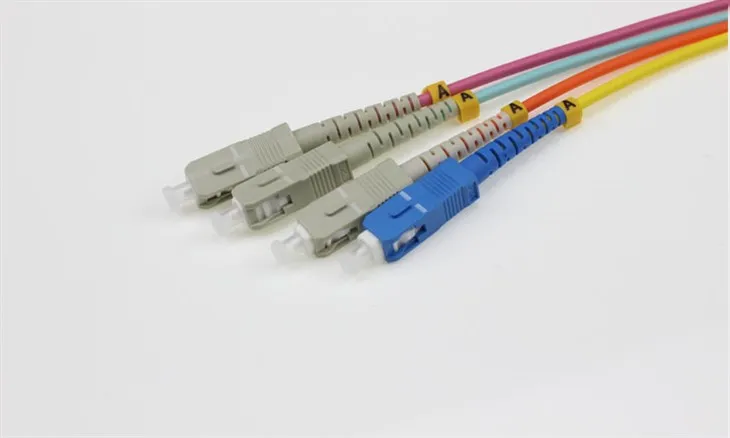
If you're also interested in other types of fiber optic pigtails, we have Fiber Optic Pigtail Lc Upc Om3 12 Colors and Fiber Optic Sc Pigtail available on our website.
In conclusion, the difference between armored and non - armored Fiber Optic ST Pigtails boils down to their physical structure, protection level, environmental resistance, installation requirements, cost, and applications. If you're not sure which type of pigtail is right for your project, feel free to reach out to us. We're here to help you make the best choice based on your specific needs. Whether you need a large quantity for a big project or just a few pigtails for a small installation, we can provide you with high - quality products at competitive prices. So, don't hesitate to contact us for a quote and start the procurement process.
References
- Fiber Optic Association Handbook
- Industry standards for fiber optic cables and connectors