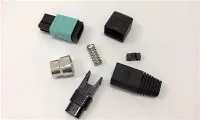
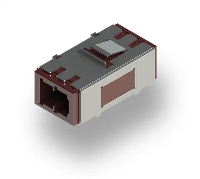
Hey there! As a supplier of Fiber Optic MU Patchcords, I've seen firsthand the importance of being aware of compatibility issues when using these nifty little cables. In this blog, I'll break down the key compatibility factors you should keep an eye on to ensure smooth and efficient operation.
Connector Compatibility
First off, let's talk about connector compatibility. The MU connector used in Fiber Optic MU Patchcords is a small form - factor connector, and it needs to match up properly with the other connectors in your network.
There are different types of fiber optic connectors out there, like LC, SC, MPO, and E2000. If you're trying to connect a Fiber Optic MU Patchcord to another cable with a different connector type, you'll need an adapter. For example, if you want to connect a MU connector to an LC connector, you'll need a MU - to - LC adapter.
Let's say you're working on a project where you need to integrate a new fiber optic system. You might have some existing cables with LC connectors, and you're using Fiber Optic MU Patchcords for new connections. In this case, getting the right adapters is crucial. Check out these products that might be relevant in such scenarios: Mpo/mpo - om3 - 12f - 3.0mm - lszh - 1m and Fiber Optic Patch Cord Mtp To Lc Upc 8core Om4 3.0mm. These products can give you an idea of the different connector combinations available in the market.
Fiber Type Compatibility
Another major aspect is fiber type compatibility. There are mainly two types of fiber: single - mode (SM) and multi - mode (MM). Single - mode fiber is designed for long - distance transmissions, usually over several kilometers, while multi - mode fiber is better for shorter distances, typically within a building or a campus.
If you mix up single - mode and multi - mode fibers when using Fiber Optic MU Patchcords, you're going to run into some serious problems. Signals transmitted through a single - mode fiber won't work well when they hit a multi - mode fiber, and vice versa. So, make sure you know what type of fiber is being used in your network and match the Fiber Optic MU Patchcords accordingly.
For instance, if you're setting up a data center where most of the connections are short - range, multi - mode Fiber Optic MU Patchcords would be a good choice. But if you're connecting different buildings in a large campus, single - mode patchcords might be more suitable.
Wavelength Compatibility
Wavelength compatibility is often overlooked but is extremely important. Different fiber optic systems operate at different wavelengths. Common wavelengths for multi - mode fiber are 850nm and 1300nm, while single - mode fiber usually operates at 1310nm and 1550nm.
Your Fiber Optic MU Patchcords need to be compatible with the wavelength of the devices they're connecting. If the wavelength doesn't match, the signal strength will be significantly reduced, leading to poor performance and potential data loss.
Imagine you have a transceiver that operates at 850nm, and you use a Fiber Optic MU Patchcord that's not optimized for this wavelength. You'll notice a drop in the signal quality, and your network might start acting up. So, always double - check the wavelength requirements of your devices and choose the right patchcords.
Bandwidth Compatibility
Bandwidth is a measure of how much data can be transmitted over a fiber optic cable in a given time. As technology advances, the demand for higher bandwidth is increasing. Your Fiber Optic MU Patchcords need to be able to handle the bandwidth requirements of your network.
If you're using older Patchcords with a low bandwidth capacity in a high - speed network, you're going to face bottlenecks. For example, if your network is designed to support 10Gbps or 40Gbps speeds, make sure your Fiber Optic MU Patchcords are rated for these speeds.
Polarity Compatibility
Polarity is also a factor to consider. In a fiber optic network, polarity refers to the direction of the signal flow. There are three main polarity types: Type A, Type B, and Type C.
If the polarity of your Fiber Optic MU Patchcords doesn't match the polarity of the devices or other cables in the network, the connection won't work. You can use polarity - management methods like using different adapter combinations or specific patchcords designed for a particular polarity type.
Environmental Compatibility
Finally, don't forget about environmental compatibility. Fiber Optic MU Patchcords are used in various environments, from clean data centers to harsh industrial settings.
In a data center, you might need patchcords that are resistant to dust and have low - smoke, zero - halogen (LSZH) jackets for fire safety. On the other hand, in an industrial environment, you'll need patchcords that can withstand high temperatures, moisture, and physical stress. Check out Fiber Optic E2000 Jumper Leads which might have some features suitable for different environmental conditions.

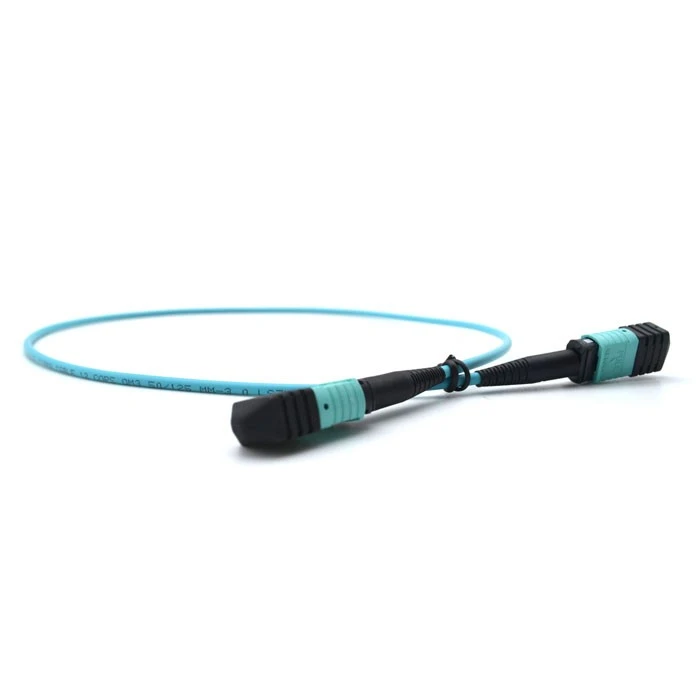
In conclusion, being aware of these compatibility issues when using Fiber Optic MU Patchcords is essential for a well - functioning fiber optic network. If you're in the market for high - quality Fiber Optic MU Patchcords and need help with compatibility or any other questions, don't hesitate to reach out. We're here to provide you with the best solutions for your fiber optic needs and can assist you in making the right choices for your network.
References
- Understanding Fiber Optics, Third Edition by Richard C. Alferness, et al.
- Fiber Optic Communication Systems by Govind P. Agrawal.