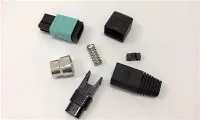
As a supplier of fiber optic pigtails, I understand the critical role that clean connectors play in ensuring optimal performance of fiber optic networks. Fiber optic pigtail connectors are delicate components that can easily accumulate dust, dirt, oil, and other contaminants, which can significantly degrade signal quality and lead to network failures. Therefore, proper cleaning of these connectors is essential to maintain their reliability and efficiency. In this blog post, I will discuss the various cleaning agents that can be used to clean fiber optic pigtail connectors.
Isopropyl Alcohol (IPA)
Isopropyl alcohol, commonly known as rubbing alcohol, is one of the most widely used cleaning agents for fiber optic connectors. It is a volatile, colorless liquid with excellent cleaning properties. IPA can effectively dissolve and remove oils, greases, and other organic contaminants from the connector end - faces.
The high volatility of IPA is an important advantage. After cleaning, it evaporates quickly, leaving no residue on the connector surface. This is crucial because any residue left on the connector can scatter light and cause signal loss. Typically, 90% or higher concentration of IPA is recommended for cleaning fiber optic connectors. Lower concentrations may contain too much water, which can leave water spots and may not clean as effectively.
When using IPA to clean fiber optic pigtail connectors, it is usually applied to a cleaning swab or a cleaning stick. Gently rub the connector end - face with the IPA - soaked swab or stick in a circular motion. Be careful not to apply too much pressure, as this can damage the delicate connector surface.
Deionized Water
Deionized water is another option for cleaning fiber optic connectors, especially when dealing with water - soluble contaminants. It is water that has had its mineral ions removed, such as cations like sodium, calcium, iron, and anions like chloride and sulfate. This makes it a pure and clean cleaning agent.
Deionized water can be used in combination with a mild detergent in some cases. However, when using it alone, it is mainly suitable for removing dust and loose particles. After cleaning with deionized water, the connector should be thoroughly dried to prevent any water from remaining on the end - face. This can be done using a clean, dry air source or by allowing it to air - dry in a clean environment.


Specialty Cleaning Solutions
There are also specialty cleaning solutions available in the market specifically designed for fiber optic connector cleaning. These solutions are formulated to clean a wide range of contaminants, including stubborn oils, fingerprints, and other residues.
Specialty cleaning solutions often have properties that make them more effective than traditional cleaning agents in certain situations. For example, some solutions are designed to be non - abrasive, so they can clean the connector without scratching the end - face. Others may have anti - static properties, which help to prevent the re - accumulation of dust on the connector after cleaning.
When using specialty cleaning solutions, it is important to follow the manufacturer's instructions carefully. These solutions may come with specific application methods and safety precautions.
Cleaning Kits
In addition to individual cleaning agents, there are many cleaning kits available for fiber optic pigtail connectors. These kits usually include a combination of cleaning agents, such as IPA - soaked wipes, cleaning sticks, and sometimes a cleaning fluid.
Cleaning kits are convenient because they provide all the necessary tools and agents in one package. They are also designed to be user - friendly, with clear instructions on how to clean the connectors properly. Some cleaning kits are even designed for specific types of connectors, such as Fiber Optic Lc Pigtails, Fiber Optic Fc Pigtail, and Fiber Optic Sc Pigtail.
Precautions When Using Cleaning Agents
Regardless of which cleaning agent you choose, there are some important precautions to take when cleaning fiber optic pigtail connectors.
First, always work in a clean environment. Dust and other contaminants in the air can quickly redeposit on the cleaned connector. A cleanroom or at least a dust - free area is ideal.
Second, use clean tools. Dirty cleaning swabs, sticks, or wipes can transfer contaminants to the connector instead of removing them. Replace the cleaning tools regularly, especially if they show signs of wear or contamination.
Third, avoid cross - contamination. Do not use the same cleaning tool for different types of connectors without proper cleaning in between. This can prevent the spread of contaminants from one connector to another.
Conclusion
Proper cleaning of fiber optic pigtail connectors is crucial for the reliable operation of fiber optic networks. Isopropyl alcohol, deionized water, specialty cleaning solutions, and cleaning kits are all viable options for cleaning these connectors. Each has its own advantages and is suitable for different types of contaminants.
As a fiber optic pigtail supplier, I am committed to providing high - quality products and also sharing knowledge about their proper maintenance. If you are in need of fiber optic pigtails or have any questions about connector cleaning, please feel free to contact us for further discussion and potential procurement opportunities.
References
- "Fiber Optic Connector Cleaning Best Practices" by the Fiber Optic Association.
- Manufacturer's guidelines for fiber optic pigtail connectors and cleaning agents.