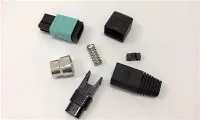
How to Store a Fiber Optic E2000 Pigtail Properly?
In the realm of fiber optic technology, Fiber Optic E2000 Pigtails play a crucial role. As a reliable supplier of these essential components, I understand the significance of proper storage to maintain their quality and performance. In this blog, I will share some insights on how to store a Fiber Optic E2000 Pigtail properly.
Understanding the Fiber Optic E2000 Pigtail
First, let's briefly understand what a Fiber Optic E2000 Pigtail is. The E2000 pigtail is a type of fiber optic cable with an E2000 connector on one end and a bare fiber on the other. It is widely used in high - speed data transmission, telecommunications, and other fiber - optic communication systems due to its excellent optical performance and high - density connectivity. You can explore more about Fiber Optic E2000 Pigtail on our website.
Factors Affecting Storage
There are several factors that can affect the storage of Fiber Optic E2000 Pigtails. These include temperature, humidity, dust, and physical damage.
- Temperature: Extreme temperatures can have a significant impact on the performance of fiber optic cables. High temperatures can cause the plastic components of the connector and the cable jacket to expand, which may lead to cracking or deformation. On the other hand, low temperatures can make the materials brittle and increase the risk of breakage. The ideal temperature range for storing Fiber Optic E2000 Pigtails is between 0°C and 40°C.
- Humidity: High humidity can cause moisture to penetrate the cable and connector, leading to corrosion of the metal parts and degradation of the optical performance. Moisture can also cause the growth of mold and mildew, which can further damage the pigtails. To prevent this, the relative humidity in the storage area should be maintained between 20% and 80%.
- Dust and Contaminants: Dust and other contaminants can accumulate on the end - faces of the connectors, which can cause signal loss and reflection. Even a small particle of dust can disrupt the smooth transmission of light through the fiber. Therefore, the storage area should be kept clean and free from dust. Avoid storing the pigtails in areas with high traffic or near sources of dust, such as construction sites or industrial facilities.
- Physical Damage: Fiber optic cables are relatively fragile and can be easily damaged by bending, twisting, or crushing. Sharp objects or excessive pressure can cause micro - bends or fractures in the fiber, which can significantly degrade the signal quality. To prevent physical damage, the pigtails should be stored in a way that protects them from external forces.
Proper Storage Methods
- Use Protective Caps: Always keep the protective caps on the connectors when the pigtails are not in use. These caps prevent dust, moisture, and physical damage to the end - faces of the connectors. Make sure the caps are properly seated and secure to provide effective protection.
- Store in a Suitable Container: Use a storage container that is designed for fiber optic cables. These containers are usually made of materials that provide protection against physical damage and can also help to maintain a clean environment. You can use plastic trays or boxes with compartments to keep the pigtails organized and separated. Label the containers clearly to indicate the type, length, and other relevant information about the pigtails.
- Avoid Tight Bending: When storing the pigtails, avoid bending them tightly. The minimum bending radius of a fiber optic cable is specified by the manufacturer, and exceeding this radius can cause signal loss. Coil the pigtails loosely, with a radius of at least 10 times the outer diameter of the cable. You can use cable ties or Velcro straps to keep the coils in place, but be careful not to over - tighten them.
- Vertical Storage: If possible, store the pigtails vertically. This helps to prevent stress on the connectors and reduces the risk of damage to the cables. You can use racks or shelves specifically designed for vertical cable storage. Make sure the racks are sturdy and can hold the weight of the pigtails without bending or collapsing.
Special Considerations for Long - Term Storage
For long - term storage of Fiber Optic E2000 Pigtails, additional precautions are necessary.
- Regular Inspection: Conduct regular inspections of the stored pigtails to check for any signs of damage or deterioration. Look for visible cracks, scratches, or discoloration on the connectors and cables. Check the protective caps for any signs of wear or damage. If any issues are detected, take appropriate measures to repair or replace the affected pigtails.
- Desiccant Packets: If the storage environment has high humidity, consider using desiccant packets in the storage containers. Desiccants absorb moisture and help to maintain a dry environment. Place the desiccant packets in the containers and replace them regularly according to the manufacturer's instructions.
- Documentation: Keep detailed documentation of the stored pigtails, including the date of storage, the type of pigtails, and any inspection results. This documentation can be useful for tracking the history of the pigtails and ensuring proper maintenance.
Conclusion
Proper storage of Fiber Optic E2000 Pigtails is essential to ensure their long - term performance and reliability. By controlling the storage environment, using protective measures, and following the recommended storage methods, you can extend the lifespan of these valuable components.


As a leading supplier of fiber optic products, we also offer a wide range of other fiber optic pigtails, such as Fiber Optic Pigtail Lc Upc Om3 12 Colors and Fiber Optic Lc Pigtails. Our products are of high quality and can meet the diverse needs of different customers.
If you are interested in purchasing Fiber Optic E2000 Pigtails or other fiber optic products, please feel free to contact us for more information and to start a procurement discussion. We are committed to providing you with the best products and services.
References
- "Fiber Optic Cables and Connectors: Installation, Testing, and Troubleshooting" by John Senior.
- Industry standards and guidelines for fiber optic component storage.
- Manufacturer's specifications for Fiber Optic E2000 Pigtails.