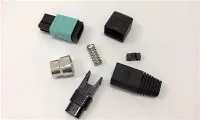
Hey there! As a supplier of Fiber Optic LC Pigtails, I've had my fair share of experiences when it comes to routing these little wonders in buildings. It might seem like a daunting task at first, but with the right know - how, it can be a smooth process. In this blog, I'll walk you through the steps and share some tips on how to route Fiber Optic LC Pigtails in a building.
Understanding Fiber Optic LC Pigtails
First things first, let's talk a bit about what Fiber Optic LC Pigtails are. These are short, single - fiber cables with an LC connector on one end and a bare fiber on the other. They're super useful for connecting fiber optic cables to equipment like switches, routers, and patch panels. You can check out our Fiber Optic Lc Pigtails on our website to get a better idea of what they look like and the different types available.
Planning the Routing
Before you start pulling cables, you need to have a solid plan. This involves a few key steps:
Site Survey
Do a thorough site survey of the building. Look at the layout, the locations of equipment that will be connected, and any potential obstacles. You need to figure out the shortest and most efficient path for the pigtails. For example, if there are rooms with a lot of foot traffic, you might want to avoid running cables across the floor where they could get damaged.
Determine Cable Lengths
Based on your site survey, calculate the lengths of the pigtails you'll need. It's always a good idea to add a little extra length (about 10 - 15%) to account for any unforeseen bends or future changes. This way, you won't end up with a cable that's too short.

Mark the Path
Use tape or markers to mark the path where you'll be running the pigtails. This will help you stay on track during the installation process and make it easier for anyone else who might need to work on the system later.
Preparing the Tools and Materials
Once you have your plan in place, it's time to gather the tools and materials you'll need. Here's a basic list:
- Fiber Optic Cables: Obviously, you'll need the Fiber Optic LC Pigtails. We offer a great selection of Lc Simplex Fiber Patch Cord that are high - quality and reliable.
- Cable Pulling Equipment: This could include cable pullers, fish tapes, or even just a simple rope for smaller installations.
- Connectors and Adapters: Make sure you have the right connectors and adapters for your setup. You might need LC to LC adapters or other types depending on your equipment.
- Testing Equipment: A fiber optic tester is essential to make sure the cables are working properly after installation. This can help you detect any breaks or signal losses.
Routing the Pigtails
Now comes the actual routing part. Here are the steps to follow:
Pulling the Cables
Start at the source (usually the patch panel or equipment) and slowly pull the pigtail along the marked path. Be careful not to pull too hard, as this can damage the fiber inside. If you're using a cable puller, make sure it's set to the right tension.
Securing the Cables
As you pull the cables, use cable ties or clips to secure them at regular intervals. This will prevent them from moving around and getting tangled. Make sure the ties aren't too tight, as this can also damage the cables.
Avoiding Sharp Bends
Fiber optic cables are sensitive to sharp bends. Try to keep the bend radius of the cables at least 10 times the diameter of the cable. If you need to make a turn, use a gentle curve.
Crossing Obstacles
If you encounter obstacles like walls or floors, you'll need to use cable conduits or sleeves to protect the cables. Drill holes if necessary, but make sure to use a dust - free drilling method to avoid getting debris inside the cables.
Termination and Testing
Once the pigtails are routed, it's time to terminate them. This involves attaching the connectors to the bare ends of the fibers. Follow the manufacturer's instructions carefully to ensure a proper termination.
After termination, it's crucial to test the cables. Use your fiber optic tester to check the signal strength and look for any losses. If you find any issues, you might need to re - terminate the connectors or check for damage in the cable.
Troubleshooting
Even with the best planning, you might run into some problems during the installation. Here are some common issues and how to fix them:
Signal Loss
If you're experiencing signal loss, it could be due to a bad termination, a damaged cable, or a sharp bend. Check the connectors first and make sure they're properly seated. If the connectors look okay, inspect the cable for any visible damage.
Cable Tangling
If the cables get tangled, it can be a real headache. Try to untangle them gently, starting from the ends. If the tangle is too severe, you might need to cut the cables and start over.
Maintenance and Upgrades
Once the installation is complete, you'll need to maintain the system. This includes regular inspections to check for any signs of damage or wear. You might also need to upgrade the system as your network requirements change.
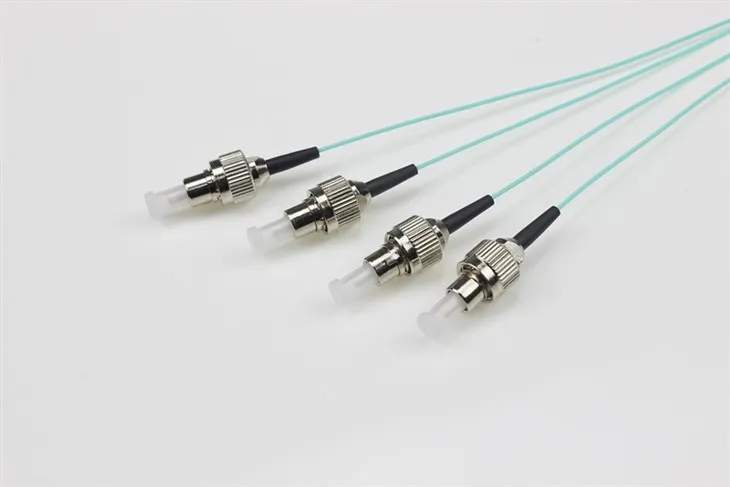
When it comes to upgrades, we also offer Fiber Optic Fc Pigtail and other types of fiber optic products that can enhance your network performance.
Conclusion
Routing Fiber Optic LC Pigtails in a building might seem like a complex task, but if you follow the steps outlined in this blog, you'll be able to do it successfully. Remember, proper planning, the right tools, and careful installation are the keys to a reliable fiber optic network.
If you're interested in purchasing Fiber Optic LC Pigtails or have any questions about routing them in your building, don't hesitate to get in touch with us. We're here to help you with all your fiber optic needs and can offer expert advice based on our years of experience.
References
- Fiber Optic Association Handbook
- Industry best practices for fiber optic installation