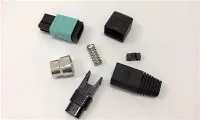
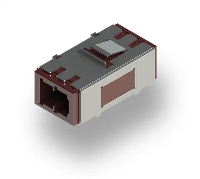
Electromagnetic interference (EMI) is a common issue that can significantly affect the performance of fiber optic ST couplers. As a leading supplier of fiber optic ST couplers, we understand the importance of minimizing the impact of EMI to ensure optimal signal transmission. In this blog post, we will explore various strategies and techniques to reduce the influence of EMI on fiber optic ST couplers.
Understanding EMI and Its Effects on Fiber Optic ST Couplers
EMI refers to the disruption of an electrical circuit by electromagnetic radiation emitted from an external source. This interference can cause signal degradation, loss, and even complete failure in fiber optic systems. Although fiber optic cables are inherently immune to EMI due to their use of light for signal transmission, the components connected to these cables, such as ST couplers, can still be affected.
Fiber optic ST couplers are used to connect two fiber optic cables together, allowing for the seamless transfer of light signals. However, the metallic components within the coupler, such as the ferrules and connectors, can act as antennas, picking up electromagnetic radiation and introducing noise into the signal. This noise can distort the light signal, leading to reduced signal quality and increased bit error rates.
Shielding Techniques
One of the most effective ways to reduce the impact of EMI on fiber optic ST couplers is through proper shielding. Shielding involves enclosing the coupler in a conductive material that blocks electromagnetic radiation from reaching the internal components. There are several types of shielding materials available, including metal foil, conductive polymers, and braided wire.
Metal foil shielding is a common choice for fiber optic couplers. It consists of a thin layer of metal, such as aluminum or copper, that is wrapped around the coupler. The metal foil acts as a Faraday cage, preventing electromagnetic radiation from entering or leaving the coupler. This type of shielding is relatively inexpensive and easy to install, making it a popular option for many applications.
Conductive polymers are another type of shielding material that can be used for fiber optic ST couplers. These polymers contain conductive particles, such as carbon or metal, that allow them to conduct electricity. When applied to the surface of the coupler, the conductive polymer forms a protective layer that shields the internal components from EMI. Conductive polymers are lightweight, flexible, and can be easily molded to fit the shape of the coupler, making them ideal for applications where space is limited.
Braided wire shielding is a more robust form of shielding that is commonly used in high-performance fiber optic systems. It consists of a braided wire mesh that is wrapped around the coupler. The braided wire provides a continuous conductive path that effectively blocks electromagnetic radiation. Braided wire shielding is more expensive than metal foil or conductive polymer shielding, but it offers superior protection against EMI.
Grounding
In addition to shielding, proper grounding is essential for reducing the impact of EMI on fiber optic ST couplers. Grounding involves connecting the metallic components of the coupler to a common ground point, such as the chassis of the equipment or a dedicated grounding rod. By providing a low-impedance path for electrical current to flow, grounding helps to dissipate any electromagnetic energy that is picked up by the coupler.
When grounding a fiber optic ST coupler, it is important to use a high-quality grounding cable that has a low resistance. The grounding cable should be connected directly to the metallic components of the coupler, such as the ferrule or connector, using a suitable grounding clamp or screw. It is also important to ensure that the grounding point is properly bonded to the earth to prevent any potential electrical hazards.
Cable Routing
The way in which fiber optic cables are routed can also have a significant impact on the level of EMI that is introduced into the system. To minimize the effects of EMI, it is important to keep fiber optic cables away from sources of electromagnetic radiation, such as power cables, motors, and transformers. It is also recommended to route fiber optic cables in separate conduits or trays from electrical cables to prevent any cross-coupling of electromagnetic fields.
In addition, it is important to avoid sharp bends or kinks in the fiber optic cables, as these can cause signal loss and increase the susceptibility to EMI. When installing fiber optic cables, it is recommended to use cable management systems, such as cable trays or raceways, to keep the cables organized and protected.
Component Selection
Another important factor to consider when reducing the impact of EMI on fiber optic ST couplers is the selection of high-quality components. When choosing fiber optic ST couplers, it is important to look for products that are specifically designed to minimize the effects of EMI. These products may feature shielding, grounding, or other advanced technologies that help to reduce the level of electromagnetic interference.
In addition, it is important to choose fiber optic cables that are compatible with the ST couplers. Using cables that have a high bandwidth and low attenuation can help to ensure that the signal is transmitted with minimal loss and distortion. It is also recommended to use cables that are properly terminated and tested to ensure that they meet the required standards for signal quality.


Conclusion
EMI is a common issue that can significantly affect the performance of fiber optic ST couplers. However, by implementing the strategies and techniques outlined in this blog post, it is possible to reduce the impact of EMI and ensure optimal signal transmission. As a supplier of fiber optic ST couplers, we are committed to providing our customers with high-quality products and solutions that are designed to minimize the effects of EMI.
If you are interested in learning more about our fiber optic ST couplers or would like to discuss your specific requirements, please do not hesitate to contact us. We would be happy to assist you with your procurement needs and provide you with the best possible solutions for your application.
Links
References
- "Electromagnetic Compatibility Engineering" by Henry W. Ott
- "Fiber Optic Communication Systems" by Govind P. Agrawal
- "Handbook of Fiber Optics" by Richard A. Deal