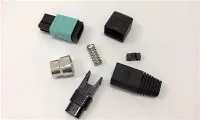
Hey there! As a supplier of Fiber Optic E2000 Pigtails, I've seen firsthand how water damage can mess up these crucial components. In this blog, I'm gonna share some tips on how to protect your Fiber Optic E2000 Pigtail from water damage.
Understanding the Risks of Water Damage
First off, let's talk about why water is such a big problem for fiber optic pigtails. Water can cause a whole bunch of issues, like increasing signal loss, corroding the connectors, and even damaging the fiber itself. When water gets into the pigtail, it can create a conductive path that interferes with the light signal traveling through the fiber. Over time, this can lead to poor performance and even complete failure of the pigtail.
Choosing the Right Pigtail for Wet Environments
One of the best ways to protect your Fiber Optic E2000 Pigtail from water damage is to choose the right one in the first place. Look for pigtails that are specifically designed for wet or outdoor environments. These pigtails often have additional protective features, like waterproof jackets or sealed connectors, that help keep water out.
For example, some pigtails come with a tight-buffered design, which means the fiber is surrounded by a layer of protective material that helps prevent water from seeping in. Others may have a gel-filled buffer tube, which provides an extra layer of protection against moisture.


If you're working in a particularly harsh environment, you might also want to consider using a Fiber Optic Fc Pigtail. These pigtails are known for their durability and resistance to water damage, making them a great choice for outdoor or industrial applications.
Proper Installation and Sealing
Once you've chosen the right pigtail, it's important to install it correctly to ensure maximum protection against water damage. Here are some tips to keep in mind:
- Use Proper Tools: Make sure you have the right tools for the job, including a fiber optic cleaver, fusion splicer, and cable strippers. Using the wrong tools can damage the pigtail and increase the risk of water intrusion.
- Follow the Manufacturer's Instructions: Always follow the manufacturer's instructions when installing the pigtail. This includes proper handling, cleaning, and splicing techniques.
- Seal the Connectors: After splicing the pigtail, make sure to seal the connectors properly to prevent water from getting in. You can use a waterproof connector boot or a sealant to create a tight seal.
- Protect the Cable: In addition to sealing the connectors, you should also protect the cable itself from water damage. This can be done by using a waterproof cable jacket or by installing the cable in a protective conduit.
Regular Maintenance and Inspection
Even if you've taken all the necessary precautions to protect your Fiber Optic E2000 Pigtail from water damage, it's still important to perform regular maintenance and inspections to ensure its continued performance. Here are some things to look for:
- Check for Signs of Water Damage: Look for signs of water damage, such as corrosion, discoloration, or mold growth on the connectors or cable. If you notice any of these signs, it's important to take action immediately to prevent further damage.
- Clean the Connectors: Regularly clean the connectors to remove any dirt, dust, or moisture that may have accumulated. You can use a fiber optic cleaning kit or a lint-free cloth to clean the connectors.
- Test the Signal: Periodically test the signal strength and quality of the pigtail to ensure it's performing properly. You can use a fiber optic tester or an OTDR (Optical Time Domain Reflectometer) to test the signal.
Storage and Handling
Proper storage and handling of your Fiber Optic E2000 Pigtail can also help prevent water damage. Here are some tips to keep in mind:
- Store in a Dry Place: When not in use, store the pigtail in a dry place, away from moisture and humidity. You can use a storage cabinet or a sealed container to protect the pigtail.
- Avoid Exposure to Water: Try to avoid exposing the pigtail to water or other liquids. If the pigtail does get wet, dry it off immediately using a lint-free cloth.
- Handle with Care: When handling the pigtail, be careful not to bend or twist the fiber too much. This can damage the fiber and increase the risk of water intrusion.
Additional Protection Measures
In some cases, you may need to take additional protection measures to ensure the long-term performance of your Fiber Optic E2000 Pigtail. Here are some options to consider:
- Use a Fiber Optic Enclosure: A fiber optic enclosure can provide an extra layer of protection for your pigtail. These enclosures are designed to keep water, dust, and other contaminants out, and they can be installed indoors or outdoors.
- Install a Surge Protector: If your pigtail is connected to a power source, it's a good idea to install a surge protector to protect it from electrical surges and lightning strikes.
- Consider a Redundancy System: In critical applications, you may want to consider using a redundancy system to ensure continuous operation in the event of a pigtail failure. This can involve using multiple pigtails or a backup fiber optic network.
Conclusion
Protecting your Fiber Optic E2000 Pigtail from water damage is essential for ensuring its long-term performance and reliability. By choosing the right pigtail, installing it correctly, performing regular maintenance and inspections, and taking additional protection measures, you can minimize the risk of water damage and keep your network running smoothly.
If you have any questions or need help choosing the right Fiber Optic E2000 Pigtail for your application, please don't hesitate to contact us. We're here to help you find the best solution for your needs and ensure your network operates at its best.
References
- "Fiber Optic Cable Installation and Maintenance Guide" by the Fiber Optic Association
- "Water Damage in Fiber Optic Networks" by the IEEE Communications Society
- "Best Practices for Protecting Fiber Optic Cables from Water Damage" by the National Fire Protection Association