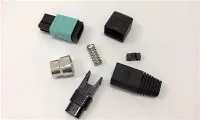
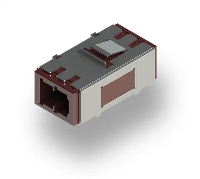
As a supplier of Fiber Optic FC Adaptors, I understand the importance of ensuring these delicate components remain in optimal condition throughout their lifecycle. Fiber Optic FC Adaptors are crucial in establishing reliable connections in fiber optic networks, and any damage can lead to signal loss, network downtime, and increased maintenance costs. In this blog post, I'll share some practical tips on how to protect a Fiber Optic FC Adaptor from damage.
Understanding the Fiber Optic FC Adaptor
Before delving into protection strategies, it's essential to understand the basic structure and function of a Fiber Optic FC Adaptor. The FC adaptor, short for Ferrule Connector adaptor, is a type of fiber optic connector used to join two fiber optic cables together. It features a threaded coupling mechanism that provides a secure and stable connection, making it suitable for high - precision applications.
The adaptor consists of a ceramic ferrule that holds the fiber in place, a body that houses the ferrule, and a coupling nut. The ceramic ferrule is extremely fragile and can be easily scratched or chipped, which can significantly affect the performance of the fiber optic connection.


Proper Handling During Installation
- Clean Hands and Tools: When installing a Fiber Optic FC Adaptor, always ensure your hands are clean. Oils, dirt, and dust from your hands can transfer to the adaptor and contaminate the fiber end - face. Use clean, lint - free gloves to handle the adaptor. Additionally, use appropriate installation tools that are clean and in good condition. For example, a torque wrench should be used to tighten the coupling nut to the correct specification. Over - tightening can damage the threads on the adaptor or the ferrule, while under - tightening can result in a loose connection.
- Avoid Bending and Twisting: During installation, be careful not to bend or twist the fiber optic cable attached to the FC adaptor. Excessive bending can cause micro - cracks in the fiber, leading to signal attenuation. The minimum bend radius for most fiber optic cables is specified by the manufacturer, and it's important to adhere to these guidelines.
Environmental Protection
- Dust and Contamination: Dust and other contaminants are one of the biggest threats to Fiber Optic FC Adaptors. Even a small particle of dust on the fiber end - face can cause significant signal loss. To protect the adaptor from dust, use dust caps when the adaptor is not in use. These caps should be made of a soft material that won't scratch the ferrule. In addition, keep the installation environment as clean as possible. If the installation is taking place in a construction site or a dusty area, consider using a cleanroom tent or a dust - free enclosure.
- Temperature and Humidity: Extreme temperatures and high humidity can also affect the performance of Fiber Optic FC Adaptors. High temperatures can cause the materials in the adaptor to expand, which can lead to misalignment of the ferrule. Low temperatures can make the materials brittle and more prone to cracking. Humidity can cause corrosion on the metal parts of the adaptor and can also lead to the growth of mold on the fiber end - face. It's important to install the adaptors in an environment with a stable temperature and humidity level. If necessary, use environmental control systems such as air conditioners and dehumidifiers.
Regular Inspection and Maintenance
- Visual Inspection: Regular visual inspections are essential for detecting early signs of damage to the Fiber Optic FC Adaptor. Use a fiber optic microscope to inspect the end - face of the ferrule. Look for scratches, chips, or any signs of contamination. If any damage is detected, the adaptor should be replaced or cleaned immediately.
- Cleaning: Cleaning the FC adaptor at regular intervals is crucial for maintaining its performance. Use a fiber optic cleaning kit that includes cleaning solutions and lint - free wipes. Follow the manufacturer's instructions for cleaning the adaptor. Generally, the cleaning process involves applying a small amount of cleaning solution to the wipe and gently wiping the end - face of the ferrule in a straight motion. Avoid circular motions as they can spread contaminants.
Compatibility with Other Components
- Connector Compatibility: Ensure that the Fiber Optic FC Adaptor is compatible with other fiber optic components in the network. Using incompatible connectors can lead to misalignment, which can cause signal loss and damage to the adaptor. For example, if you are connecting an FC adaptor to a Fiber Optic St Coupler, make sure that the fiber types (single - mode or multi - mode) and the connector sizes are compatible.
- System Compatibility: Consider the overall system requirements when selecting an FC adaptor. The adaptor should be able to handle the data rate, bandwidth, and power levels of the network. Using an adaptor that is not suitable for the system can lead to overheating, signal distortion, and premature failure.
Storage of Fiber Optic FC Adaptors
- Proper Packaging: When storing Fiber Optic FC Adaptors, use proper packaging. The adaptors should be stored in a protective case or a sealed bag to prevent dust and moisture from entering. The case should be made of a shock - absorbing material to protect the adaptor from physical damage during storage and transportation.
- Storage Environment: Store the adaptors in a cool, dry place. Avoid storing them in areas with direct sunlight, high humidity, or extreme temperatures. If possible, store the adaptors in a climate - controlled storage facility.
Protection Against Electrostatic Discharge (ESD)
- ESD - Safe Work Environment: Electrostatic discharge can damage the sensitive components of a Fiber Optic FC Adaptor. Create an ESD - safe work environment by using ESD - protected workbenches, wrist straps, and flooring. These measures help to dissipate static electricity and prevent it from building up and discharging onto the adaptor.
- Handling Precautions: When handling the adaptor, take precautions to avoid generating static electricity. For example, shuffle your feet on an ESD - dissipative floor before picking up the adaptor. Avoid wearing synthetic clothing that can generate static electricity.
Conclusion
Protecting a Fiber Optic FC Adaptor from damage is essential for maintaining the performance and reliability of fiber optic networks. By following the tips outlined in this blog post, including proper handling during installation, environmental protection, regular inspection and maintenance, ensuring compatibility with other components, proper storage, and protection against ESD, you can significantly extend the lifespan of the adaptor and reduce the risk of network failures.
If you are in the market for high - quality Fiber Optic FC Adaptors or other fiber optic components such as Mtp®/mpo - 8/12/24 Black Fiber Optic Adapter/coupler with Flange, Key Up To Down and Fiber Optic Mu Adapter, please feel free to contact us. We are committed to providing you with the best products and solutions for your fiber optic network needs. Let's start a conversation about your procurement requirements and find the most suitable products for your project.
References
- Fiber Optic Association (FOA). Fiber Optic Installation and Maintenance Guide.
- Manufacturer's documentation for Fiber Optic FC Adaptors.
- Industry standards for fiber optic connectors and installations.