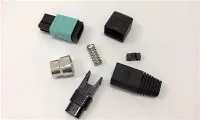
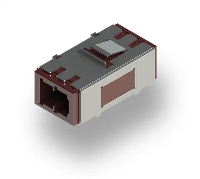
Maintaining a Fiber Optic MTRJ Adapter is crucial for ensuring optimal performance and longevity in fiber optic networks. As a supplier of Fiber Optic MTRJ Adapters, I understand the significance of proper maintenance and its impact on network reliability. In this blog post, I will share some essential tips and best practices on how to maintain these adapters effectively.
Understanding the Fiber Optic MTRJ Adapter
Before delving into maintenance, it's important to have a basic understanding of the Fiber Optic MTRJ Adapter. The MTRJ (Mechanical Transfer Registered Jack) is a type of fiber optic connector that features a small form factor and a push - pull latching mechanism. It is commonly used in multi - mode fiber optic applications, such as local area networks (LANs) and data centers.
The MTRJ adapter provides a physical interface for connecting two fiber optic cables. It consists of a housing, alignment sleeves, and ferrule contacts. The alignment sleeves ensure precise alignment of the fiber cores, while the ferrule contacts transmit the optical signals.
Importance of Maintenance
Proper maintenance of Fiber Optic MTRJ Adapters is essential for several reasons. Firstly, it helps to maintain low insertion loss and high return loss, which are critical for efficient signal transmission. Over time, dust, dirt, and other contaminants can accumulate on the adapter's surfaces, causing signal degradation. Secondly, regular maintenance can prevent damage to the adapter's components, such as the ferrules and alignment sleeves. This can extend the lifespan of the adapter and reduce the need for frequent replacements.
Maintenance Steps
1. Cleaning
Cleaning is the most fundamental aspect of maintaining Fiber Optic MTRJ Adapters. It should be performed regularly, especially when the adapter is installed, removed, or when there are signs of contamination.
- Cleaning Tools: You will need specialized cleaning tools, such as lint - free wipes, cleaning swabs, and cleaning solutions. Make sure to use cleaning solutions that are specifically designed for fiber optic components to avoid damage.
- Cleaning Procedure:
- First, inspect the adapter visually for any visible dirt or debris.
- If using a cleaning swab, dip it into the cleaning solution and gently insert it into the adapter's socket. Rotate the swab a few times to remove contaminants from the inside walls of the socket.
- For the outer surfaces of the adapter, use a lint - free wipe dampened with the cleaning solution to wipe away any dust or dirt.
- After cleaning, allow the adapter to dry completely before reconnecting the fiber optic cables.
2. Inspection
Regular inspection is necessary to detect any signs of damage or wear. This can help you take preventive measures before the problem escalates.
- Visual Inspection: Use a magnifying glass or a fiber optic inspection microscope to examine the adapter's ferrules and alignment sleeves. Look for cracks, chips, scratches, or other physical damage. Check for any signs of misalignment, which can cause signal loss.
- Functional Inspection: You can also perform a functional inspection by measuring the insertion loss and return loss of the adapter using a fiber optic test set. If the measured values are outside the acceptable range, it may indicate a problem with the adapter.
3. Storage
Proper storage is important when the Fiber Optic MTRJ Adapters are not in use.


- Storage Environment: Store the adapters in a clean, dry, and dust - free environment. Avoid storing them in areas with high humidity, extreme temperatures, or exposure to direct sunlight.
- Protective Caps: Always use protective caps on the adapter's sockets when they are not connected to fiber optic cables. This helps to prevent dust and dirt from entering the sockets and causing contamination.
4. Handling
Proper handling of Fiber Optic MTRJ Adapters can prevent damage during installation and removal.
- Avoid Excessive Force: When inserting or removing the fiber optic cables from the adapter, use gentle and even pressure. Avoid using excessive force, as this can damage the ferrules or the alignment sleeves.
- Use Proper Tools: If necessary, use appropriate tools for installation and removal, such as cable pullers or fiber optic strippers. Make sure to follow the manufacturer's instructions when using these tools.
Complementary Products and Their Maintenance
In addition to the Fiber Optic MTRJ Adapters, there are other fiber optic adapters and couplers that are often used in conjunction with them. These include Fiber Optic LC Adapters, Optical Fiber Adaptor MTP / MPO Adapter, and Fiber Optic ST Coupler.
The maintenance principles for these products are similar to those of the MTRJ Adapter. Cleaning, inspection, proper storage, and handling are all essential for ensuring their optimal performance. However, it's important to note that each type of adapter may have specific cleaning and handling requirements, so always refer to the manufacturer's guidelines.
Troubleshooting
Despite proper maintenance, you may still encounter issues with the Fiber Optic MTRJ Adapters. Here are some common problems and their possible solutions:
- High Insertion Loss: This can be caused by contamination, misalignment, or damaged ferrules. Try cleaning the adapter again and check for proper alignment. If the problem persists, the adapter may need to be replaced.
- Low Return Loss: Low return loss can indicate a problem with the connector's end - face finish or a mismatch between the fiber types. Inspect the ferrules for damage and ensure that the correct fiber types are being used.
- Physical Damage: If the adapter shows signs of physical damage, such as cracks or chips, it should be replaced immediately to prevent further signal degradation.
Conclusion
Maintaining Fiber Optic MTRJ Adapters is a vital part of ensuring the reliability and performance of fiber optic networks. By following the cleaning, inspection, storage, and handling guidelines outlined in this blog post, you can extend the lifespan of the adapters and minimize signal loss.
As a supplier of Fiber Optic MTRJ Adapters, I am committed to providing high - quality products and supporting our customers in maintaining their fiber optic infrastructure. If you have any questions about our products or need further advice on maintenance, please feel free to contact us for a procurement discussion. We are here to help you optimize your fiber optic network.
References
- "Fiber Optic Connector Handbook" by Telcordia Technologies
- "Optical Fiber Communication Systems" by Gerd Keiser