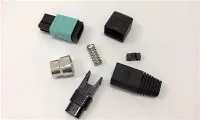
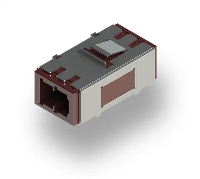
Hey there! As a supplier of Fiber Optic FC Pigtails, I've seen firsthand how important it is to keep these little guys in tip - top shape. In this blog, I'll share some practical tips on how to maintain a Fiber Optic FC Pigtail.
Understanding the Basics
First things first, let's talk a bit about what a Fiber Optic FC Pigtail is. It's a short, single - fiber cable with a pre - installed FC connector at one end. These pigtails are used in various fiber optic networks, from telecommunications to data centers. You can learn more about them on our website: Fiber Optic Fc Pigtail.
Storage Matters
One of the initial steps in maintaining a Fiber Optic FC Pigtail is proper storage. You don't want to just toss them in a corner and forget about them. When not in use, pigtails should be stored in a clean, dry environment. Humidity can cause corrosion on the connectors and damage the fiber itself. A temperature - controlled storage area is ideal.
Keep them away from sharp objects. Even a small scratch on the fiber can lead to signal loss. You can use protective cases or trays designed for fiber optic cables. These cases not only protect the pigtails from physical damage but also keep them organized.
Cleaning the Connectors
The connectors of a Fiber Optic FC Pigtail are super sensitive. Dust, dirt, and oil from your fingers can all affect the performance of the pigtail. Regular cleaning is a must.

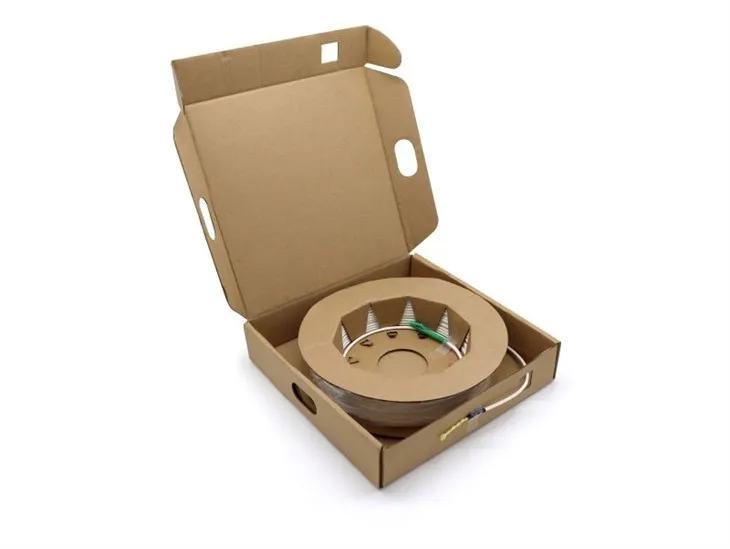
Use a proper fiber optic cleaning kit. These kits usually come with cleaning wipes and cleaning fluid. Before cleaning, make sure to power off the equipment connected to the pigtail. Gently wipe the connector end - face with the cleaning wipe. Don't press too hard as you might damage the delicate fiber.
If there are stubborn contaminants, you can use the cleaning fluid. Apply a small amount to the cleaning wipe and then clean the connector. After cleaning, visually inspect the connector under a microscope. A dirty or damaged connector can cause high insertion loss and reflection.
Handling with Care
When handling a Fiber Optic FC Pigtail, always hold it by the jacket, not the connector. The connector is very fragile, and any excessive force can misalign the fiber or damage the connector's internal structure.
Avoid bending the fiber too sharply. There's a minimum bend radius for fiber optic cables, and exceeding this can cause signal attenuation. When installing or moving the pigtail, make sure to follow the recommended bend radius. Usually, it's around 10 - 20 times the outer diameter of the cable.
Regular Inspections
Periodic inspections are crucial for maintaining the performance of Fiber Optic FC Pigtails. Inspect the entire length of the cable for any signs of damage, such as cuts, abrasions, or kinks. Check the connectors for signs of wear, like scratches or loose parts.
If you notice any issues during the inspection, it's better to replace the pigtail or repair the connector as soon as possible. Ignoring these problems can lead to network failures and costly downtime.
Compatibility Checks
Make sure that the Fiber Optic FC Pigtail is compatible with the equipment it's connected to. Using an incompatible pigtail can cause poor performance and even damage to the equipment.
Check the fiber type (single - mode or multi - mode), the connector type, and the wavelength requirements. For example, if your network uses single - mode fiber and you connect a multi - mode pigtail, the signal won't be transmitted properly.
Comparing with Other Types of Pigtails
While we're on the topic of fiber optic pigtails, it's worth comparing the FC pigtail with other popular types like the Fiber Optic Sc Pigtail and Lc Simplex Fiber Patch Cord.
The SC pigtail has a push - pull type connector, which is easy to install and remove. It's often used in Ethernet networks. The LC pigtail, on the other hand, has a smaller form factor, making it suitable for high - density applications.
Each type has its own advantages and disadvantages, and the choice depends on your specific application. But no matter which type you choose, proper maintenance is essential.
Troubleshooting Common Issues
Sometimes, even with proper maintenance, you might encounter some issues with your Fiber Optic FC Pigtail. Here are some common problems and how to solve them:
High Insertion Loss: This can be caused by a dirty connector, a damaged fiber, or improper alignment. First, clean the connector. If the problem persists, inspect the fiber for damage. You might need to replace the pigtail if the fiber is broken.
High Reflection: A high reflection can be due to a damaged connector end - face. Clean the connector and inspect it under a microscope. If there are scratches or other damage, replace the connector.
Intermittent Connection: This could be caused by a loose connector or a damaged cable. Check the connector to make sure it's properly seated. Inspect the cable for any signs of damage and repair or replace it if necessary.
Conclusion
Maintaining a Fiber Optic FC Pigtail isn't rocket science, but it does require some attention to detail. By following these tips on storage, cleaning, handling, inspections, and troubleshooting, you can ensure that your pigtails perform at their best and have a long lifespan.
If you're in the market for high - quality Fiber Optic FC Pigtails or need more information on maintenance, don't hesitate to reach out. We're here to help you make the most of your fiber optic network. Whether you're a small business or a large data center operator, we've got the products and expertise to meet your needs.
If you have any questions or want to discuss your specific requirements, feel free to contact us. We're always ready to start a conversation and help you find the right solutions for your fiber optic needs.
References
- "Fiber Optic Installation and Maintenance Handbook"
- Industry standards for fiber optic cables and connectors