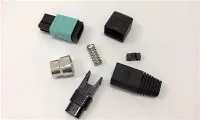
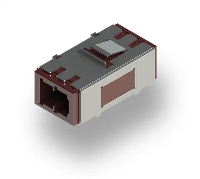
As a supplier of Fiber Optic PLC Splitters, I understand the critical importance of coupling efficiency in these devices. Coupling efficiency refers to the ratio of the optical power launched into the output fibers of a splitter to the optical power input into the input fiber. Improving this efficiency is essential for ensuring optimal performance in fiber optic communication systems. In this blog post, I will share some effective strategies to enhance the coupling efficiency of a Fiber Optic PLC Splitter.
Understanding the Basics of Fiber Optic PLC Splitters
Before delving into the methods of improving coupling efficiency, it is crucial to have a basic understanding of how Fiber Optic PLC Splitters work. A PLC (Planar Lightwave Circuit) splitter is a passive optical device that divides an input optical signal into multiple output signals. It is widely used in fiber optic networks, such as FTTH (Fiber to the Home) systems, to distribute optical signals to multiple users.


The coupling efficiency of a PLC splitter is affected by several factors, including the quality of the optical fibers, the alignment accuracy during the manufacturing process, and the environmental conditions. By addressing these factors, we can significantly improve the coupling efficiency of the splitter.
Selecting High - Quality Optical Fibers
The quality of the optical fibers used in a PLC splitter has a direct impact on its coupling efficiency. High - quality fibers have lower attenuation, better mode field diameter matching, and fewer impurities. When selecting optical fibers, it is important to consider the following characteristics:
- Mode Field Diameter (MFD): The MFD of the input and output fibers should be well - matched. A significant difference in MFD can lead to high coupling losses. For example, if the MFD of the input fiber is much larger than that of the output fiber, a large portion of the optical power will not be efficiently coupled into the output fiber.
- Attenuation: Low - attenuation fibers are preferred as they can minimize the loss of optical power during transmission. Fibers with lower attenuation ensure that more of the input optical power reaches the output ports of the splitter.
- Fiber Cladding and Core Quality: Fibers with uniform cladding and core diameters, as well as low levels of impurities, can improve coupling efficiency. Imperfections in the fiber structure can cause scattering and absorption of the optical signal, resulting in increased losses.
We offer a variety of high - quality optical fibers for our PLC splitters, including 1×2 Plc Fiber Splitter, Mini Module, Sc/apc, 1x16 Plc Fiber Splitter, Steel Tube, Bare Fiber 250µm, Sc Upc, Singlemode, and 1x32 Plc Fiber Optic Splitter. These products are designed to meet the highest standards of quality and performance.
Precision Alignment during Manufacturing
Accurate alignment of the optical fibers and the PLC chip is crucial for achieving high coupling efficiency. During the manufacturing process, the following alignment techniques can be employed:
- Active Alignment: Active alignment involves monitoring the optical power at the output ports while adjusting the position of the fibers relative to the PLC chip. This method allows for real - time optimization of the alignment to achieve the maximum coupling efficiency. By using precision alignment equipment, we can ensure that the fibers are aligned with an accuracy of a few micrometers.
- Passive Alignment: Passive alignment relies on mechanical fixtures and precise manufacturing tolerances to position the fibers and the PLC chip. Although it is less accurate than active alignment, it is more cost - effective for mass production. However, careful design and calibration of the passive alignment fixtures are necessary to minimize alignment errors.
Our manufacturing process combines both active and passive alignment techniques to ensure the highest level of precision. We use advanced alignment equipment and strict quality control measures to guarantee that each PLC splitter meets our high - quality standards.
Controlling Environmental Conditions
Environmental factors such as temperature, humidity, and vibration can affect the coupling efficiency of a PLC splitter. To minimize the impact of these factors, the following measures can be taken:
- Temperature Control: Temperature changes can cause the expansion or contraction of the optical fibers and the PLC chip, leading to misalignment and increased coupling losses. By using temperature - controlled enclosures or thermal compensation techniques, we can maintain a stable operating temperature for the splitter.
- Humidity Protection: High humidity can cause moisture to accumulate on the surface of the optical fibers and the PLC chip, resulting in increased attenuation and coupling losses. Sealing the splitter in a moisture - resistant enclosure and using desiccants can help protect it from the effects of humidity.
- Vibration Isolation: Vibration can cause the fibers to move relative to the PLC chip, leading to alignment changes and coupling losses. Mounting the splitter on vibration - isolating platforms or using shock - absorbing materials can reduce the impact of vibration.
Regular Maintenance and Testing
Regular maintenance and testing are essential for ensuring the long - term stability of the coupling efficiency of a PLC splitter. The following maintenance and testing procedures can be carried out:
- Visual Inspection: Periodically inspect the optical fibers and the PLC chip for any signs of damage, such as cracks or scratches. Damaged components should be replaced immediately to prevent further degradation of the coupling efficiency.
- Optical Power Testing: Use an optical power meter to measure the input and output optical power of the splitter. Compare the measured values with the specifications to detect any significant changes in the coupling efficiency. If the coupling efficiency has decreased, further investigation and troubleshooting may be required.
- Cleaning: Keep the optical connectors and the surface of the PLC chip clean. Dust and dirt can accumulate on these surfaces, causing increased attenuation and coupling losses. Use appropriate cleaning tools and solutions to clean the components regularly.
Conclusion
Improving the coupling efficiency of a Fiber Optic PLC Splitter is a complex but achievable goal. By selecting high - quality optical fibers, ensuring precision alignment during manufacturing, controlling environmental conditions, and performing regular maintenance and testing, we can significantly enhance the performance of the splitter.
As a leading supplier of Fiber Optic PLC Splitters, we are committed to providing our customers with the highest - quality products and solutions. Our products, such as 1×2 Plc Fiber Splitter, Mini Module, Sc/apc, 1x16 Plc Fiber Splitter, Steel Tube, Bare Fiber 250µm, Sc Upc, Singlemode, and 1x32 Plc Fiber Optic Splitter, are designed to meet the diverse needs of our customers.
If you are interested in purchasing our Fiber Optic PLC Splitters or have any questions about improving coupling efficiency, please feel free to contact us for further discussion and procurement negotiation. We look forward to working with you to meet your fiber optic communication needs.
References
- Ghatak, Ajoy K., and K. Thyagarajan. "Optical Electronics in Modern Communications." Cambridge University Press, 2009.
- Senior, John M., and M. Yousif Jamal. "Optical Fiber Communications: Principles and Practice." Pearson Education, 2013.