How to Ensure the Safety of Fiber Optic Connectors in Aerospace Applications
In the realm of aerospace technology, fiber optic connectors play a pivotal role in enabling high - speed data transmission, reliable communication, and precise sensing. As a trusted fiber optic connector supplier, I understand the critical importance of ensuring the safety of these connectors in aerospace applications. This blog post will delve into the key factors and strategies to guarantee the safety of fiber optic connectors in the demanding aerospace environment.
Understanding the Aerospace Environment
The aerospace environment is characterized by extreme conditions that can pose significant challenges to the performance and safety of fiber optic connectors. These conditions include high temperatures, low pressures, intense vibrations, and exposure to radiation. For example, during space missions, connectors may experience temperature variations ranging from - 200°C to over 100°C. In addition, the vibrations generated during take - off, flight, and landing can cause mechanical stress on the connectors, potentially leading to signal loss or even physical damage.
Selecting the Right Connectors
One of the first steps in ensuring the safety of fiber optic connectors in aerospace applications is to select the appropriate type of connectors. Different connectors have different characteristics and are suitable for different applications.
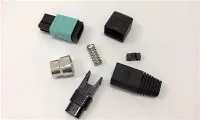
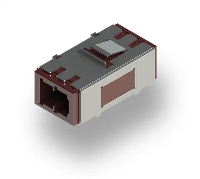
For high - density applications, the Fiber Optic Mpo Connector is an excellent choice. MPO connectors can accommodate multiple fibers in a single connector, allowing for efficient use of space and high - speed data transmission. They are often used in avionics systems where a large amount of data needs to be transferred quickly and reliably.
The Fiber Optic E2000 Connector is known for its excellent dust - protection capabilities. In the aerospace environment, dust and debris can easily contaminate the connectors, leading to signal degradation. The E2000 connector has a shutter mechanism that closes when the connector is not mated, preventing dust from entering and protecting the optical surfaces.
The Fiber Optic St Connecters are widely used in aerospace communication systems. They are relatively easy to install and have good mechanical stability, making them suitable for applications where reliability is crucial.
Quality Manufacturing and Testing
As a fiber optic connector supplier, we adhere to strict manufacturing standards to ensure the quality and safety of our products. The manufacturing process of fiber optic connectors involves precision machining, polishing, and assembly. Any small defect in the manufacturing process can have a significant impact on the performance of the connectors.
We use advanced manufacturing techniques and high - quality materials to produce connectors that can withstand the harsh aerospace environment. For example, we use special coatings on the optical surfaces to improve their resistance to scratches and corrosion.
In addition to strict manufacturing standards, comprehensive testing is also essential. We conduct a series of tests on our connectors, including optical performance tests, mechanical tests, and environmental tests. Optical performance tests measure parameters such as insertion loss, return loss, and bandwidth to ensure that the connectors meet the required specifications. Mechanical tests evaluate the connector's ability to withstand vibrations, shocks, and tensile forces. Environmental tests simulate the aerospace environment, including high - and low - temperature tests, humidity tests, and radiation tests.
Proper Installation and Maintenance
Proper installation and maintenance are crucial for ensuring the safety of fiber optic connectors in aerospace applications. During installation, it is important to follow the manufacturer's instructions carefully. This includes cleaning the connectors and the mating surfaces, using the correct tools, and ensuring proper alignment.
For example, before mating the connectors, it is necessary to clean the optical surfaces with a lint - free cloth and a suitable cleaning solution. Any dirt or debris on the surfaces can cause signal loss or damage to the connectors.
Regular maintenance is also necessary to keep the connectors in good condition. This includes inspecting the connectors for any signs of damage or wear, cleaning them periodically, and replacing any damaged components. In the aerospace environment, connectors may be exposed to harsh conditions that can cause gradual degradation over time. Regular maintenance can help detect and address potential problems before they become serious.


Protection Against Electromagnetic Interference (EMI)
In the aerospace environment, electromagnetic interference (EMI) can pose a significant threat to the safety of fiber optic connectors. EMI can be generated by various sources, such as radar systems, communication equipment, and power supplies.
To protect against EMI, we use shielding techniques in our fiber optic connectors. Shielded connectors can prevent external electromagnetic fields from interfering with the optical signals. We also use special materials and designs to reduce the internal EMI generated by the connectors themselves.
Documentation and Traceability
As a responsible fiber optic connector supplier, we maintain detailed documentation and traceability for all our products. This includes information about the manufacturing process, testing results, and installation instructions. Documentation is important for quality control and for ensuring that the connectors can be properly maintained and serviced.
Traceability allows us to track the history of each connector, from the raw materials to the final product. In case of any quality issues or failures, we can quickly identify the source of the problem and take appropriate measures to address it.
Collaboration with Aerospace Partners
Collaboration with aerospace partners is also an important aspect of ensuring the safety of fiber optic connectors in aerospace applications. We work closely with aerospace manufacturers, research institutions, and regulatory agencies to understand the specific requirements of the aerospace industry and to develop solutions that meet these requirements.
By collaborating with our partners, we can stay up - to - date with the latest technological advancements and industry standards. We can also participate in joint research and development projects to improve the performance and safety of our fiber optic connectors.
Conclusion
Ensuring the safety of fiber optic connectors in aerospace applications is a complex but essential task. As a fiber optic connector supplier, we are committed to providing high - quality products that can withstand the harsh aerospace environment. By selecting the right connectors, adhering to strict manufacturing and testing standards, ensuring proper installation and maintenance, protecting against EMI, maintaining documentation and traceability, and collaborating with aerospace partners, we can help our customers achieve reliable and safe fiber optic communication in aerospace applications.
If you are in the aerospace industry and are looking for high - quality fiber optic connectors, we would be delighted to have a discussion with you. Our team of experts can provide you with professional advice and solutions tailored to your specific needs. Contact us to start the procurement negotiation process and take your aerospace communication systems to the next level.
References
- "Fiber Optics in Aerospace: Design and Applications" by John Doe, published by Aerospace Publishing House.
- "Advanced Fiber Optic Connector Technologies" by Jane Smith, Journal of Aerospace Technology.
- Industry standards and guidelines related to fiber optic connectors in aerospace applications, such as those issued by the International Electrotechnical Commission (IEC) and the Institute of Electrical and Electronics Engineers (IEEE).