In the dynamic landscape of fiber optic technology, the Fiber Optic E2000 Pigtail stands out as a crucial component, facilitating seamless data transmission in various applications. As a dedicated supplier of Fiber Optic E2000 Pigtails, I understand the paramount importance of ensuring the highest quality during the production process. This blog post delves into the key strategies and practices that we employ to guarantee the excellence of our Fiber Optic E2000 Pigtails.
1. Raw Material Selection
The foundation of a high - quality Fiber Optic E2000 Pigtail lies in the careful selection of raw materials. We source our optical fibers from reputable manufacturers known for their consistent quality. These optical fibers are tested for their attenuation, bandwidth, and numerical aperture. The tight control over these parameters ensures that the pigtails can transmit signals with minimal loss over long distances.
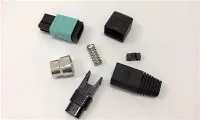
For the connectors, we choose materials that offer excellent mechanical and optical performance. The E2000 connector, in particular, is designed to provide a secure and low - insertion - loss connection. We use high - grade plastics and metals that are resistant to environmental factors such as moisture, temperature variations, and mechanical stress. This ensures the longevity and reliability of the pigtails in different operating conditions.
2. Advanced Manufacturing Processes
Our production facility is equipped with state - of - the - art manufacturing equipment. The optical fibers are carefully stripped, cleaved, and spliced using precision machinery. Cleaving is a critical step as it determines the quality of the fiber end - face. A clean and flat cleave is essential for minimizing insertion loss and back reflection.
We use fusion splicing technology to join the optical fibers. This process creates a permanent and low - loss connection between the fibers. The splicing parameters are carefully calibrated to ensure optimal performance. After splicing, the pigtails are inspected under a microscope to check for any defects such as air bubbles, misalignments, or scratches.
The assembly of the connectors onto the optical fibers is also a precise process. We follow strict assembly procedures to ensure that the connectors are properly aligned with the fibers. This alignment is crucial for achieving low insertion loss and high return loss.


3. Quality Control at Every Stage
Quality control is an integral part of our production process. We implement a multi - stage quality control system to detect and correct any potential issues early on.
Incoming Inspection
When the raw materials arrive at our facility, they undergo a thorough inspection. The optical fibers are tested for their physical and optical properties, and the connectors are checked for dimensional accuracy and mechanical integrity. Only materials that meet our strict quality standards are used in the production process.
In - Process Inspection
During the manufacturing process, we conduct regular inspections at various stages. For example, after cleaving and splicing, the fiber end - faces are inspected using an optical microscope. The insertion loss and return loss of the pigtails are measured using optical time - domain reflectometers (OTDRs) and light sources and power meters. Any pigtails that do not meet the specified performance criteria are reworked or discarded.
Final Inspection
Before the pigtails are packaged and shipped, they undergo a final inspection. This includes a comprehensive performance test to ensure that they meet all the relevant industry standards. The pigtails are tested for insertion loss, return loss, tensile strength, and environmental performance. Only pigtails that pass all these tests are released for sale.
4. Environmental Testing
To ensure that our Fiber Optic E2000 Pigtails can withstand real - world conditions, we conduct extensive environmental testing.
Temperature Testing
The pigtails are subjected to temperature cycling tests. They are placed in a temperature - controlled chamber and exposed to a range of temperatures from - 40°C to + 85°C. This simulates the temperature variations that the pigtails may encounter in different applications. After the temperature cycling, the pigtails are retested for their optical performance to ensure that the temperature changes have not affected their functionality.
Humidity Testing
We also test the pigtails for their resistance to humidity. They are placed in a high - humidity chamber for a specified period. This helps us to determine if the pigtails are prone to corrosion or other moisture - related issues. After the humidity test, the pigtails are inspected for any signs of damage and retested for their optical performance.
Vibration and Shock Testing
To ensure that the pigtails can withstand mechanical stress, we conduct vibration and shock tests. The pigtails are mounted on a vibration table and subjected to a range of frequencies and amplitudes. They are also exposed to shock tests to simulate the impact that they may experience during transportation or installation. After these tests, the pigtails are inspected for any mechanical damage and retested for their optical performance.
5. Employee Training and Development
Our employees are the backbone of our production process. We invest heavily in their training and development to ensure that they have the skills and knowledge required to produce high - quality Fiber Optic E2000 Pigtails.
We provide regular training on the latest manufacturing techniques, quality control procedures, and safety regulations. Our employees are also encouraged to participate in industry seminars and workshops to stay updated on the latest trends and technologies in fiber optic manufacturing.
6. Comparison with Other Pigtail Types
While the Fiber Optic E2000 Pigtail has its unique advantages, it is also useful to compare it with other types of pigtails such as Fiber Optic St Pigtails, Fiber Optic Sc Pigtail, and Fiber Optic Fc Pigtail.
The E2000 pigtail offers a higher level of protection against dust and dirt compared to some other types of pigtails. Its shutter mechanism helps to keep the connector end - face clean, which is crucial for maintaining low insertion loss. In terms of performance, the E2000 pigtail generally has lower insertion and return losses compared to ST pigtails. However, SC pigtails are known for their ease of installation, while FC pigtails are often used in high - precision applications.
7. Continuous Improvement
We are committed to continuous improvement in our production process. We regularly review our quality control data to identify areas for improvement. We also seek feedback from our customers to understand their needs and expectations better.
Based on this feedback and data analysis, we make adjustments to our manufacturing processes, raw material selection, and quality control procedures. This allows us to stay ahead of the competition and provide our customers with the best - possible Fiber Optic E2000 Pigtails.
Conclusion
Ensuring the quality of Fiber Optic E2000 Pigtails during production is a complex but essential task. By carefully selecting raw materials, using advanced manufacturing processes, implementing strict quality control measures, conducting environmental testing, investing in employee training, and continuously improving our processes, we are able to produce high - quality pigtails that meet the needs of our customers.
If you are in the market for reliable and high - performance Fiber Optic E2000 Pigtails, we invite you to contact us for a detailed discussion about your requirements. Our team of experts is ready to assist you in finding the best solutions for your fiber optic applications.
References
- "Fiber Optic Communication Technology" by Gerd Keiser
- Industry standards such as IEC 61754 - 20 for fiber optic connectors
- Technical papers on fiber optic manufacturing and quality control from leading industry conferences