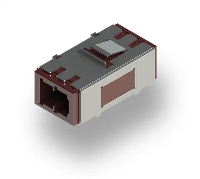
In the dynamic landscape of modern telecommunications, Fiber Optic PLC (Planar Lightwave Circuit) Splitters have emerged as pivotal components, enabling the efficient distribution of optical signals across multiple endpoints. As a dedicated supplier of Fiber Optic PLC Splitters, I've witnessed firsthand the transformative impact these devices have on various applications. One critical aspect that significantly influences the performance of real - time applications is the latency of these splitters. In this blog, we'll delve into how the latency of a Fiber Optic PLC Splitter affects real - time applications.
Understanding Fiber Optic PLC Splitters
Before we explore the impact of latency, it's essential to understand what Fiber Optic PLC Splitters are. These splitters are passive optical devices that divide an incoming optical signal into multiple output signals. They are based on planar lightwave circuit technology, which allows for high - precision signal splitting. Our product range includes 1x64 Plc Fiber Optic Splitter, 1x32 Plc Fiber Splitter, Steel Tube, Bare Fiber 250µm, Sc Apc, Singlemode, and 1x16 Plc Fiber Optic Splitter, each designed to meet different network requirements.
What is Latency in Fiber Optic PLC Splitters?
Latency refers to the time delay between the input of a signal into the splitter and its output. In a Fiber Optic PLC Splitter, this delay can be influenced by several factors. Firstly, the physical length of the optical paths within the splitter plays a role. Longer paths generally result in higher latency as the light takes more time to travel through them. Secondly, the refractive index of the materials used in the splitter can affect the speed of light propagation, thereby influencing latency. Additionally, manufacturing imperfections, such as slight variations in the waveguide structure, can also introduce small amounts of latency.


Impact on Real - Time Applications
Teleconferencing and Video Calls
Teleconferencing and video calls have become an integral part of our personal and professional lives. In these applications, low latency is crucial for a seamless experience. When the latency of a Fiber Optic PLC Splitter is high, there can be noticeable delays between the speaker's actions and the corresponding audio or video being received by the other participants. This can lead to awkward pauses, interruptions in conversations, and a generally frustrating user experience. For example, if a person nods their head or starts speaking, a high - latency splitter may cause a delay in the transmission of this visual or audio information, making the interaction less natural.
Online Gaming
Online gaming is another area where real - time responsiveness is of utmost importance. Gamers rely on split - second reactions to compete effectively. A high - latency Fiber Optic PLC Splitter can introduce delays in the transmission of game data, such as the movement of characters, the firing of weapons, or the detection of collisions. This can give players an unfair disadvantage, as they may not be able to react in time to in - game events. For instance, in a first - person shooter game, a delay in the transmission of a player's movement command can result in them being shot before they can take cover, significantly affecting the outcome of the game.
Financial Trading
In the world of financial trading, every millisecond counts. High - frequency trading firms rely on ultra - low latency networks to execute trades at the best possible prices. A Fiber Optic PLC Splitter with high latency can cause delays in the transmission of market data, such as stock prices and trade orders. This can result in missed trading opportunities or the execution of trades at less favorable prices. For example, if a trading algorithm detects a profitable trading opportunity and sends a trade order, a high - latency splitter may delay the order's arrival at the exchange, causing the price to change before the order is executed.
Minimizing Latency in Fiber Optic PLC Splitters
As a supplier, we are committed to minimizing the latency of our Fiber Optic PLC Splitters. We achieve this through several measures. Firstly, we use high - quality materials with consistent refractive indices to ensure uniform light propagation. Our manufacturing processes are highly precise, with strict quality control measures in place to minimize waveguide imperfections. Additionally, we optimize the physical layout of the splitters to reduce the length of the optical paths as much as possible.
We also offer customized solutions for customers with specific low - latency requirements. By understanding the unique needs of each application, we can design and manufacture splitters that meet the most demanding latency specifications.
Conclusion
The latency of a Fiber Optic PLC Splitter has a profound impact on real - time applications. Whether it's teleconferencing, online gaming, or financial trading, high latency can lead to sub - optimal performance and a poor user experience. As a leading supplier of Fiber Optic PLC Splitters, we recognize the importance of low latency and are dedicated to providing products that meet the highest standards.
If you are in need of high - quality, low - latency Fiber Optic PLC Splitters for your real - time applications, we invite you to contact us for procurement and further discussions. Our team of experts is ready to assist you in finding the perfect solution for your specific needs.
References
- "Optical Fiber Communication Systems" by Govind P. Agrawal
- "Fiber Optic Networks" by Rajiv Ramaswami and Kumar N. Sivarajan