As a supplier of Fiber Optic SC Pigtails, I've witnessed firsthand the intricate relationship between environmental factors and the performance of these essential optical components. Among these factors, humidity stands out as a critical variable that can significantly impact the functionality and longevity of Fiber Optic SC Pigtails. In this blog, we'll delve into the science behind how humidity affects these pigtails and what steps can be taken to mitigate potential issues.
Understanding Fiber Optic SC Pigtails
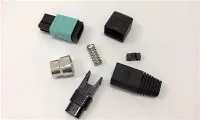
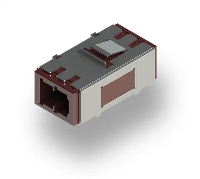
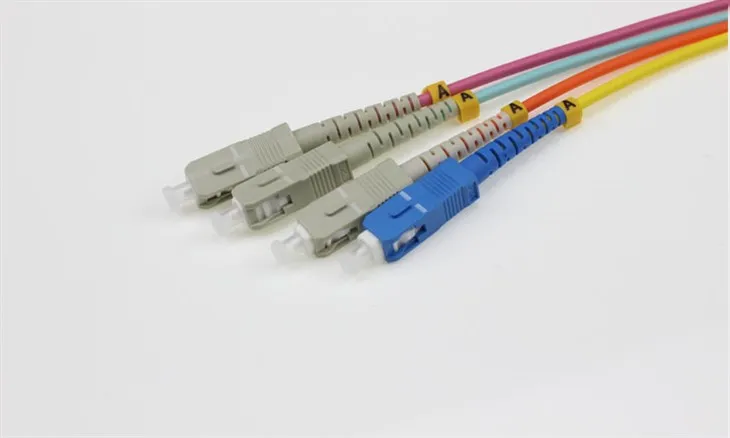
Before we explore the effects of humidity, let's briefly review what Fiber Optic SC Pigtails are. These pigtails are single - fiber cables with a pre - terminated SC connector at one end. They are widely used in telecommunications, data centers, and other networking applications to connect optical fibers to equipment such as switches, routers, and patch panels. The SC connector, known for its push - and - pull design, provides a reliable and easy - to - use connection.
How Humidity Affects Fiber Optic SC Pigtails
1. Physical Degradation
High humidity levels can lead to physical degradation of the pigtail components. The optical fiber within the pigtail is typically made of silica glass, which is relatively stable. However, the outer jacket and other protective layers are often made of polymers. When exposed to high humidity, these polymers can absorb moisture. This absorption can cause swelling, which may lead to micro - bending of the optical fiber. Micro - bending occurs when the fiber is bent at a microscopic level, and it can increase the attenuation of the light signal traveling through the fiber. Attenuation refers to the loss of signal strength, and an increase in attenuation can result in a weaker signal at the receiving end, leading to data transmission errors or even complete signal loss.
2. Corrosion of Connectors
The connectors on Fiber Optic SC Pigtails are usually made of metal or metal - alloy materials. Humidity can accelerate the corrosion process of these connectors. When moisture comes into contact with the metal surfaces, it can cause oxidation. Oxidation forms a layer of metal oxide on the connector surface, which can increase the insertion loss of the connector. Insertion loss is the reduction in optical power when a connector is inserted into an optical interface. Higher insertion loss means less power is transmitted through the connection, degrading the overall performance of the pigtail.
3. Mold Growth
In high - humidity environments, there is also a risk of mold growth on the pigtail components. Mold can grow on the outer jacket, connectors, or even inside the cable if there are small openings. Mold not only physically obstructs the light path but can also release chemicals that may further damage the optical fiber and other components. Additionally, mold growth can be a health hazard in enclosed spaces such as data centers.
Impact on Different Applications
The effects of humidity on Fiber Optic SC Pigtails can vary depending on the application.
Telecommunications
In telecommunications networks, where long - distance data transmission is crucial, even a small increase in attenuation due to humidity can have a significant impact. For example, in a long - haul fiber optic link, a slight increase in attenuation can reduce the signal - to - noise ratio, making it more difficult to distinguish the data signal from background noise. This can lead to dropped calls, slow internet speeds, or errors in data transmission.

Data Centers
Data centers rely on high - speed and reliable data connections. Fiber Optic SC Pigtails are used extensively to connect servers, storage devices, and networking equipment. Humidity - induced degradation can cause network outages or slowdowns, which can be costly for businesses. For instance, a large e - commerce company may experience significant revenue losses during a network outage caused by humidity - damaged pigtails.
Mitigating the Effects of Humidity
Environmental Control
One of the most effective ways to mitigate the effects of humidity is to control the environment where the Fiber Optic SC Pigtails are installed. This can be achieved by using air - conditioning and dehumidification systems in data centers, telecommunications rooms, and other facilities. Maintaining a relative humidity level between 40% and 60% is generally recommended to minimize the risk of moisture - related damage.
Protective Coatings
Applying protective coatings to the connectors and outer jacket of the pigtails can also help. These coatings can act as a barrier against moisture, preventing it from reaching the sensitive components. Some coatings are designed to be hydrophobic, meaning they repel water, while others may have anti - corrosion properties.
Regular Inspections
Regular inspections of the Fiber Optic SC Pigtails are essential. Inspectors should look for signs of physical damage, corrosion, or mold growth. If any issues are detected, the affected pigtails should be replaced immediately to prevent further problems.

Our Product Offerings
As a supplier, we offer a wide range of high - quality Fiber Optic SC Pigtails that are designed to withstand various environmental conditions. In addition to our SC pigtails, we also provide Fiber Optic ST Pigtails and Fiber Optic E2000 Pigtail. Our products are manufactured using the latest technology and undergo strict quality control processes to ensure optimal performance.
Contact Us for Purchase
If you're in the market for reliable Fiber Optic SC Pigtails or other fiber optic products, we invite you to reach out to us. Our team of experts can provide you with detailed information about our products, help you choose the right pigtails for your specific application, and assist you in the procurement process. Whether you're a small business setting up a local network or a large enterprise with complex telecommunications needs, we have the solutions to meet your requirements.
References
- "Fiber Optic Communication Systems" by Govind P. Agrawal. This book provides in - depth knowledge about the principles of fiber optic communication and the factors that can affect the performance of fiber optic components.
- Industry standards and guidelines from organizations such as the Telecommunications Industry Association (TIA) and the International Electrotechnical Commission (IEC), which offer recommendations on environmental conditions for fiber optic installations.
- Research papers published in journals such as the Journal of Lightwave Technology, which often cover topics related to the impact of environmental factors on fiber optic performance.