As a supplier of fiber optic pigtails, I often get asked whether these components can be used in outdoor environments. The answer is yes, but with certain considerations and precautions. In this blog post, I'll delve into the details of using fiber optic pigtails outdoors, the challenges they may face, and the solutions to ensure their reliable performance.
Understanding Fiber Optic Pigtails
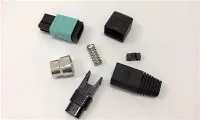
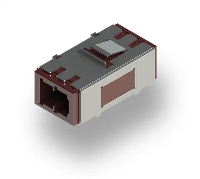
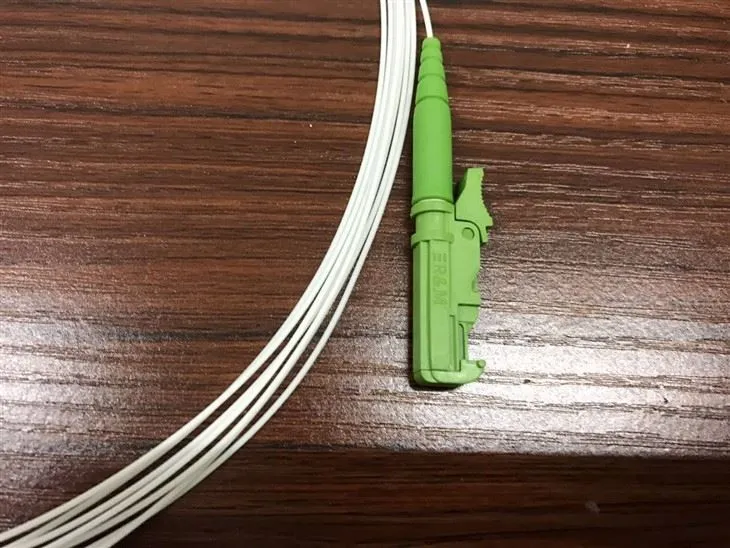
Before we discuss their outdoor use, let's briefly understand what fiber optic pigtails are. A fiber optic pigtail is a short length of optical fiber with a connector pre - installed at one end. They are used to connect optical fibers to other devices such as switches, routers, or patch panels. There are different types of connectors available, including the Fiber Optic E2000 Pigtail, Fiber Optic St Pigtails, and Fiber Optic Sc Pigtail. Each type has its own characteristics and is suitable for different applications.

Challenges of Using Fiber Optic Pigtails Outdoors
Environmental Factors
- Temperature Variations: Outdoor temperatures can range from extremely cold in winter to very hot in summer. These temperature changes can cause the expansion and contraction of the fiber optic materials. For example, in cold temperatures, the fiber may become more brittle, increasing the risk of breakage. In high temperatures, the plastic components of the connectors may deform, leading to poor connections.
- Moisture and Humidity: Moisture is one of the biggest enemies of fiber optic pigtails. Water can seep into the fiber and cause signal attenuation. It can also corrode the metal parts of the connectors, leading to connection failures. High humidity can also promote the growth of mold and mildew, which can further damage the pigtails.
- UV Radiation: Ultraviolet (UV) radiation from the sun can degrade the outer jacket of the fiber optic pigtails over time. This can make the jacket brittle and more prone to cracking, exposing the inner fiber to other environmental hazards.
- Physical Damage: Outdoor environments are more prone to physical damage. Pigtails can be accidentally cut by construction equipment, damaged by animals, or affected by natural disasters such as storms and floods.
Dust and Debris
Outdoor areas are filled with dust, dirt, and other debris. These particles can enter the connectors and cause signal loss or interference. Even a small amount of dust on the connector end - face can significantly degrade the performance of the fiber optic link.
Solutions for Using Fiber Optic Pigtails Outdoors
Selecting the Right Pigtails
- Weather - Resistant Jackets: Choose fiber optic pigtails with weather - resistant jackets. For example, some pigtails are coated with materials that are resistant to UV radiation and moisture. These jackets can protect the inner fiber from environmental damage.
- Sealed Connectors: Opt for connectors that are designed to be sealed. Sealed connectors prevent moisture, dust, and debris from entering the connection point, ensuring a stable and reliable connection.
- Temperature - Tolerant Materials: Select pigtails made from materials that can withstand a wide range of temperatures. Some fibers are designed to operate in extreme temperature conditions, reducing the risk of damage due to temperature variations.
Proper Installation
- Protective Enclosures: Install fiber optic pigtails in protective enclosures. These enclosures can shield the pigtails from direct exposure to the elements. They can be made of materials such as plastic or metal and are designed to be waterproof, dustproof, and UV - resistant.
- Cable Management: Proper cable management is essential in outdoor installations. Use cable trays, conduits, or underground ducts to protect the pigtails from physical damage. Ensure that the pigtails are not bent or stretched beyond their recommended limits during installation.
- Regular Inspections: Conduct regular inspections of the outdoor fiber optic pigtails. Check for signs of damage, such as cracks in the jacket, loose connectors, or corrosion. Clean the connectors regularly to remove any dust or debris.
Testing and Monitoring
- Optical Testing: Perform optical testing on the fiber optic pigtails after installation and periodically thereafter. This can help detect any signal loss or degradation early on. Use optical time - domain reflectometers (OTDRs) and light sources to measure the performance of the pigtails.
- Remote Monitoring: Consider using remote monitoring systems to continuously monitor the performance of the outdoor fiber optic links. These systems can alert you to any issues in real - time, allowing for quick repairs and minimizing downtime.
Applications of Outdoor Fiber Optic Pigtails
Telecommunications
In the telecommunications industry, fiber optic pigtails are used to connect outdoor base stations, cell towers, and fiber - to - the - home (FTTH) networks. These applications require reliable and high - speed data transmission, and properly installed outdoor pigtails can meet these requirements.
Smart Cities
Smart city initiatives rely on fiber optic networks to connect various sensors, cameras, and other devices. Outdoor fiber optic pigtails play a crucial role in ensuring the seamless operation of these systems, enabling real - time data collection and communication.
Industrial Automation
In industrial settings, outdoor fiber optic pigtails are used to connect remote sensors, control systems, and monitoring devices. They provide a stable and interference - free communication link, even in harsh industrial environments.
Conclusion
In conclusion, fiber optic pigtails can be used in outdoor environments, but it requires careful consideration of the environmental challenges and the implementation of appropriate solutions. By selecting the right pigtails, installing them properly, and performing regular testing and monitoring, you can ensure the reliable performance of outdoor fiber optic links.
If you are interested in purchasing high - quality fiber optic pigtails for your outdoor applications, please feel free to contact us. We have a wide range of products to meet your specific needs, and our team of experts can provide you with professional advice and support.
References
- "Fiber Optic Communication Systems" by Govind P. Agrawal.
- Industry standards and guidelines for outdoor fiber optic installations.
- Technical documentation from fiber optic component manufacturers.