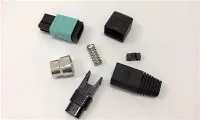
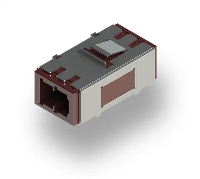
In the realm of modern surveillance technology, Closed - Circuit Television (CCTV) systems play a pivotal role in ensuring security and monitoring activities in various settings, from commercial buildings to public spaces. The choice of components for these systems is crucial to achieving optimal performance. One such component that often comes into question is the Fiber Optic SC Pigtail. As a supplier of Fiber Optic SC Pigtails, I am well - positioned to explore whether these pigtails can be effectively used in CCTV systems.
Understanding Fiber Optic SC Pigtails
Before delving into their applicability in CCTV systems, it's essential to understand what Fiber Optic SC Pigtails are. An SC pigtail is a short length of fiber optic cable with a pre - terminated SC connector at one end. The SC (Subscriber Connector) is a popular type of fiber optic connector known for its push - pull latching mechanism, which provides a quick and secure connection. It is widely used in telecommunications, data centers, and other high - speed network applications due to its low insertion loss and high return loss characteristics.
Fiber optic cables, in general, offer several advantages over traditional copper cables. They have a much higher bandwidth, which means they can transmit more data over longer distances without significant signal degradation. They are also immune to electromagnetic interference (EMI) and radio - frequency interference (RFI), making them ideal for environments where electrical noise is a concern.
Advantages of Using Fiber Optic SC Pigtails in CCTV Systems
Long - Distance Transmission
One of the most significant advantages of using Fiber Optic SC Pigtails in CCTV systems is their ability to support long - distance transmission. In large - scale surveillance setups, such as airports, industrial complexes, or city - wide surveillance networks, cameras may be located hundreds or even thousands of meters away from the monitoring station. Copper cables, such as coaxial cables commonly used in CCTV, have limitations in terms of distance. Beyond a certain length, the signal weakens, leading to poor image quality. Fiber optic cables can transmit data over much longer distances, sometimes up to several kilometers, without the need for signal repeaters. This makes them an excellent choice for connecting cameras in far - flung locations to the central monitoring system.
High - Quality Video Transmission
CCTV systems rely on high - quality video transmission to capture clear and detailed images. Fiber optic cables can support high - definition (HD) and even ultra - high - definition (UHD) video signals without loss of quality. With the increasing demand for higher resolution in surveillance, fiber optic technology can ensure that the images captured by the cameras are transmitted accurately to the monitoring station. The low attenuation of fiber optic cables means that the video signal remains strong and clear, even over long distances.
Immunity to Interference
In many CCTV installations, there are various sources of electromagnetic interference, such as power lines, motors, and other electrical equipment. Copper cables are susceptible to EMI, which can cause distortion and noise in the video signal. Fiber optic cables, on the other hand, are made of glass or plastic and do not conduct electricity. This makes them immune to EMI and RFI, ensuring a clean and stable video signal. In environments with high levels of electrical noise, such as factories or power plants, fiber optic SC pigtails can provide a reliable solution for video transmission.
Compatibility with CCTV Equipment
Most modern CCTV cameras and monitoring equipment are designed to be compatible with fiber optic connections. Many cameras come with built - in fiber optic interfaces or can be easily adapted to use fiber optic cables through the use of converters. Similarly, the monitoring stations can be equipped with fiber optic receivers to handle the incoming video signals. The SC connectors on the pigtails are standardized, which means they can be easily connected to other fiber optic components, such as patch panels, switches, and routers.
Considerations When Using Fiber Optic SC Pigtails in CCTV Systems
Installation Complexity
While fiber optic technology offers many advantages, the installation of fiber optic SC pigtails can be more complex than that of traditional copper cables. Specialized tools and skills are required to terminate the fiber optic cables and connect the SC connectors properly. Improper installation can lead to high insertion loss and poor signal quality. It is recommended to hire professional installers who are experienced in fiber optic installation to ensure a successful installation.
Cost
Fiber optic components, including SC pigtails, are generally more expensive than copper cables. The cost of the cables themselves, as well as the connectors and installation equipment, can be a significant investment. However, when considering the long - term benefits, such as longer lifespan, higher performance, and lower maintenance costs, the initial investment in fiber optic technology may be justified, especially for large - scale CCTV systems.
Comparison with Other Fiber Optic Pigtails
There are other types of fiber optic pigtails available in the market, such as Fiber Optic Fc Pigtail and Fiber Optic St Pigtails. The FC (Ferrule Connector) pigtail uses a screw - on connector, which provides a very secure connection but may be more time - consuming to install. The ST (Straight Tip) pigtail uses a bayonet - style connector, which is also commonly used in some applications.
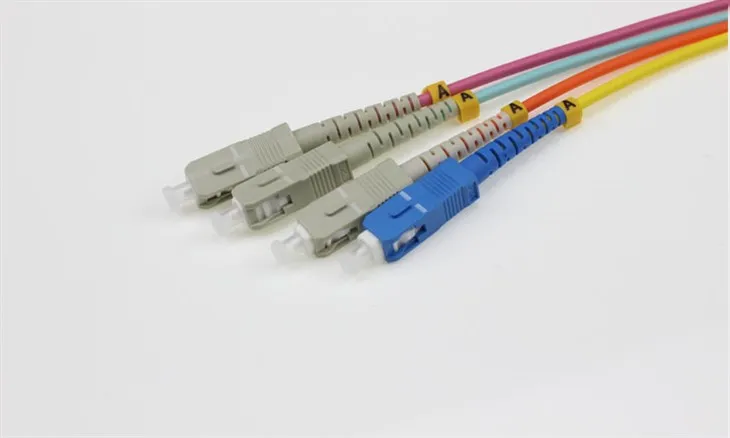

Compared to these other types, the SC pigtail has the advantage of a quick and easy push - pull latching mechanism. This makes it more convenient for installation and maintenance, especially in applications where frequent connections and disconnections are required. Additionally, the SC connector has a smaller footprint, which can be beneficial in space - constrained environments.
Conclusion
In conclusion, Fiber Optic SC Pigtails can be an excellent choice for use in CCTV systems. Their ability to support long - distance transmission, high - quality video, and immunity to interference makes them well - suited for modern surveillance requirements. While there are some considerations, such as installation complexity and cost, the benefits often outweigh the drawbacks, especially for large - scale and high - performance CCTV installations.
If you are considering upgrading or installing a new CCTV system and are interested in using Fiber Optic SC Pigtails, I encourage you to reach out to us. As a supplier of Fiber Optic Sc Pigtail, we have a wide range of products to meet your specific needs. Our team of experts can provide you with detailed information, technical support, and competitive pricing. Contact us to start a discussion about your CCTV system requirements and how our fiber optic pigtails can enhance your surveillance capabilities.
References
- "Fiber Optic Communication Systems" by Govind P. Agrawal
- "CCTV Handbook: A Guide to Planning, Designing, and Installing Closed - Circuit Television Systems" by Don F. Payne