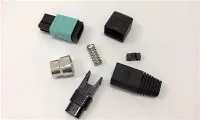
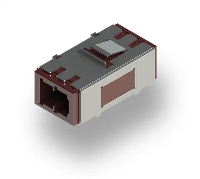
In the realm of modern technology, video surveillance systems play a crucial role in ensuring security and monitoring various environments. As a leading supplier of fiber optic components, including the Fiber Optic SC Adapter, I am often asked about the compatibility and suitability of our products in video surveillance applications. In this blog post, I will explore whether a Fiber Optic SC Adapter can be used in a video surveillance system, delving into the technical aspects, benefits, and considerations.
Understanding Fiber Optic SC Adapters
Before we discuss the application of Fiber Optic SC Adapters in video surveillance systems, let's first understand what they are. A Fiber Optic SC Adapter is a key component in fiber optic networks. It is designed to connect two fiber optic cables or devices using the SC (Subscriber Connector) type of fiber optic connector. The SC connector is a popular choice due to its push-pull design, which allows for easy and quick installation and removal. It offers low insertion loss and high return loss, ensuring efficient transmission of optical signals.
Technical Requirements of Video Surveillance Systems
Video surveillance systems require high - quality and reliable data transmission to ensure clear and continuous video monitoring. These systems typically involve the transmission of large amounts of data, including high - definition video streams. The key technical requirements for data transmission in video surveillance systems include:
- Bandwidth: With the increasing popularity of high - definition and even 4K video cameras, video surveillance systems need high bandwidth to support the large volume of data. Fiber optic cables can provide much higher bandwidth compared to traditional copper cables, making them an ideal choice for modern video surveillance systems.
- Distance: Video surveillance may cover large areas, such as industrial parks, large campuses, or city streets. Fiber optic cables can transmit signals over much longer distances without significant signal loss compared to copper cables. This is especially important when cameras are located far from the monitoring center.
- Reliability: Video surveillance systems need to operate continuously and reliably. Fiber optic cables are immune to electromagnetic interference (EMI) and radio - frequency interference (RFI), which can cause signal degradation in copper cables. This makes fiber optic transmission more reliable in environments with high levels of electrical noise.
Can Fiber Optic SC Adapters be Used in Video Surveillance Systems?
The answer is a resounding yes. Fiber Optic SC Adapters can be effectively used in video surveillance systems for the following reasons:
- Bandwidth Compatibility: As mentioned earlier, Fiber Optic SC Adapters are used in fiber optic networks. Fiber optic cables connected by SC Adapters can support high - bandwidth applications, such as the high - definition video streams in video surveillance systems. The high - quality optical signal transmission characteristics of SC Adapters ensure that the bandwidth requirements of video surveillance are met.
- Distance and Signal Integrity: SC Adapters are part of a fiber optic connection solution that can maintain signal integrity over long distances. In a video surveillance system where cameras may be located far from the monitoring station, using Fiber Optic SC Adapters to connect fiber optic cables ensures that the video signals can be transmitted without significant loss, even over kilometers.
- Reliability and Compatibility: Fiber Optic SC Adapters are designed to provide reliable connections. Their low insertion loss and high return loss characteristics help to maintain the quality of the optical signal. Additionally, SC connectors are widely used in the fiber optic industry, which means they are compatible with a wide range of fiber optic devices, including the transmitters and receivers used in video surveillance systems.
Advantages of Using Fiber Optic SC Adapters in Video Surveillance Systems
- Easy Installation: The push - pull design of SC connectors makes the installation of Fiber Optic SC Adapters quick and easy. This is beneficial in video surveillance systems, where time - efficient installation is often required, especially when retrofitting existing systems or installing new ones in large areas.
- Cost - Effectiveness: While the initial cost of fiber optic components may be higher than copper - based solutions, in the long run, fiber optic systems are more cost - effective. Fiber optic cables have a longer lifespan, require less maintenance, and can support future upgrades in video resolution and system capacity.
- Flexibility: Fiber Optic SC Adapters can be used in various configurations, such as single - mode or multi - mode fiber optic cables. This flexibility allows video surveillance system designers to choose the most suitable fiber optic solution based on the specific requirements of the installation, such as distance and bandwidth.
Considerations When Using Fiber Optic SC Adapters in Video Surveillance Systems
- Environmental Conditions: Although fiber optic cables are generally more robust than copper cables, the environmental conditions of the installation site need to be considered. For example, in outdoor installations, the SC Adapters need to be protected from moisture, dust, and extreme temperatures. Specialized outdoor - rated SC Adapters or protective enclosures can be used to ensure the long - term reliability of the connection.
- Connector Compatibility: When integrating Fiber Optic SC Adapters into a video surveillance system, it is important to ensure that all the connectors and devices in the system are compatible. For example, the cameras, switches, and monitoring equipment should be equipped with the appropriate fiber optic interfaces that are compatible with SC connectors.
- Installation Skills: While the installation of SC Adapters is relatively easy, proper installation skills are still required to ensure optimal performance. Improper installation, such as misalignment of the connectors or incorrect cleaning of the fiber ends, can lead to increased insertion loss and signal degradation.
Other Fiber Optic Adapters for Video Surveillance
In addition to Fiber Optic SC Adapters, there are other types of fiber optic adapters that can also be used in video surveillance systems. For example, the Fiber Optic E2000 Adapter offers a high - level of protection for the fiber end - face with its shutter mechanism, which can be useful in harsh environments. The China LC LC Duplex Fiber Optic Adapter is another option, which is compact and suitable for high - density applications.
Conclusion and Call to Action
In conclusion, Fiber Optic SC Adapters are well - suited for use in video surveillance systems. They can meet the high - bandwidth, long - distance, and reliable data transmission requirements of modern video surveillance. With their ease of installation, cost - effectiveness, and compatibility, they are a great choice for both new installations and upgrades of existing video surveillance systems.


If you are in the process of planning or upgrading a video surveillance system and are interested in using Fiber Optic SC Adapters or other fiber optic components, I encourage you to reach out to us. We can provide you with detailed product information, technical support, and customized solutions based on your specific requirements. Our team of experts is ready to assist you in ensuring a successful video surveillance system installation.
References
- "Fiber Optic Communication Systems" by Govind P. Agrawal.
- "Handbook of Video Surveillance" by Andrew J. Woodward.