In the contemporary era, the integration of advanced technologies in medical equipment networks has become a cornerstone for enhancing healthcare delivery. Fiber optic technology, known for its high - speed data transmission, low latency, and immunity to electromagnetic interference, has emerged as a vital component in these networks. As a supplier of Fiber Optic E2000 Adapters, I am frequently asked whether these adapters can be used in a medical equipment network. In this blog, I will delve into the technical aspects, advantages, and potential challenges of using Fiber Optic E2000 Adapters in such a critical environment.
Technical Overview of Fiber Optic E2000 Adapters
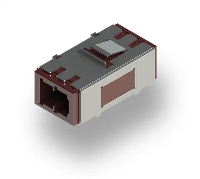
Fiber Optic E2000 Adapters are a type of fiber optic connector interface designed to provide a reliable and efficient connection between fiber optic cables. The E2000 design features a push - pull locking mechanism, which offers a quick and secure connection. This design not only simplifies the installation process but also reduces the risk of accidental disconnection.
The adapter is capable of supporting high - bandwidth data transmission, making it suitable for applications that require the transfer of large amounts of data at high speeds. It also has low insertion loss and high return loss, which ensures that the signal quality remains stable during transmission. These technical characteristics are crucial in any network, especially in a medical equipment network where accurate and timely data transfer can be a matter of life and death.
Suitability for Medical Equipment Networks
Medical equipment networks are highly specialized and demand the highest level of reliability and performance. These networks are used to connect various medical devices such as imaging systems (MRI, CT scanners), patient monitoring systems, and electronic health record (EHR) systems. The data transferred through these networks includes high - resolution images, real - time patient vital signs, and critical medical records.
One of the primary advantages of using Fiber Optic E2000 Adapters in a medical equipment network is their immunity to electromagnetic interference (EMI). Medical facilities are filled with a variety of electrical and electronic equipment that can generate significant EMI. Traditional copper cables are susceptible to this interference, which can lead to data corruption and signal loss. Fiber optic cables, on the other hand, are made of glass or plastic fibers that do not conduct electricity, making them immune to EMI. This ensures that the data transferred through the network is accurate and reliable.
Another important factor is the high - speed data transmission capability of Fiber Optic E2000 Adapters. Medical imaging systems, such as MRI and CT scanners, generate large amounts of data in the form of high - resolution images. These images need to be transferred quickly to the appropriate medical professionals for diagnosis. The high - bandwidth capacity of Fiber Optic E2000 Adapters allows for the rapid transfer of these large data files, reducing the waiting time for diagnosis and treatment.
The push - pull locking mechanism of the E2000 adapter is also beneficial in a medical environment. In a busy hospital or clinic, there is a risk of cables being accidentally pulled or disconnected. The secure locking mechanism of the E2000 adapter reduces this risk, ensuring that the network remains stable and operational.
Comparison with Other Fiber Optic Adapters
When considering the use of fiber optic adapters in a medical equipment network, it is important to compare the E2000 adapter with other types of adapters available in the market. For example, the Fiber Optic Fc Adaptor is a popular choice in many networks. It uses a screw - on coupling mechanism, which provides a very secure connection. However, the installation and removal process can be time - consuming, especially in a fast - paced medical environment.
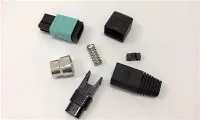
The Fiber Optic Mpo Adapter is another option. It is designed for multi - fiber applications and can support high - density connections. While it is suitable for large - scale data centers, it may be overkill for some medical equipment networks that do not require such high - density connections.
In comparison, the Fiber Optic E2000 Adapter offers a good balance between ease of use, security, and performance. Its push - pull locking mechanism allows for quick installation and removal, while its high - bandwidth capacity and low insertion loss make it suitable for high - speed data transfer.
Potential Challenges and Considerations
While Fiber Optic E2000 Adapters offer many advantages for medical equipment networks, there are also some potential challenges and considerations. One of the main challenges is the cost. Fiber optic technology is generally more expensive than traditional copper cables. The initial investment in fiber optic cables, adapters, and installation can be significant. However, it is important to consider the long - term benefits, such as reduced maintenance costs and improved reliability.


Another consideration is the fragility of fiber optic cables. Fiber optic cables are made of thin glass or plastic fibers that can be easily damaged if not handled properly. In a medical environment, where there is a lot of movement and activity, there is a risk of the cables being accidentally bent or crushed. Proper installation and cable management are essential to prevent damage to the cables.
Conclusion and Call to Action
In conclusion, Fiber Optic E2000 Adapters can be a suitable choice for medical equipment networks. Their high - speed data transmission, immunity to EMI, and secure locking mechanism make them well - suited for the demanding requirements of these networks. While there are some challenges, such as cost and cable fragility, the long - term benefits outweigh the initial investment.
As a supplier of Fiber Optic E2000 Adapter, I am committed to providing high - quality products and excellent customer service. If you are considering upgrading your medical equipment network or are in need of fiber optic adapters, I encourage you to contact me to discuss your specific requirements. I can provide you with detailed product information, technical support, and competitive pricing. Let's work together to ensure that your medical equipment network is reliable, efficient, and capable of meeting the challenges of modern healthcare.
References
- "Fiber Optic Communication Systems" by Govind P. Agrawal.
- "Medical Device Networking: Connecting Medical Devices for Improved Patient Care" by various authors.
- Industry reports on fiber optic technology in healthcare.