As a seasoned supplier of Fiber Optic LC Adapters, I've encountered numerous inquiries regarding the potential impact of electromagnetic fields (EMFs) on these crucial components. In this blog post, I aim to delve into this topic, providing you with a comprehensive understanding of how Fiber Optic LC Adapters interact with EMFs and why they are a reliable choice for various applications.

Understanding Fiber Optic LC Adapters
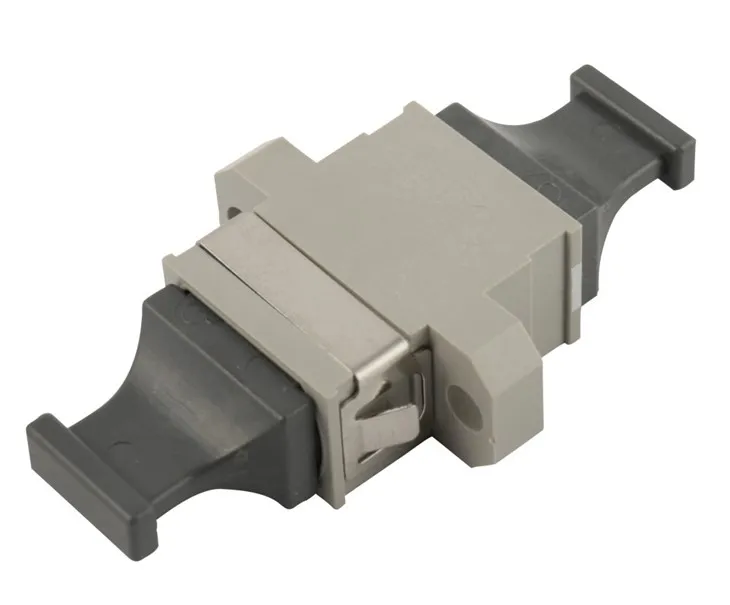
Before we explore the effects of EMFs, let's briefly review what Fiber Optic LC Adapters are and their significance in the field of telecommunications. LC, which stands for Lucent Connector, is a small form-factor fiber optic connector known for its high performance and compact design. These adapters are used to join two LC connectors together, allowing for the seamless transmission of light signals in fiber optic networks.
Fiber Optic LC Adapters are widely used in data centers, telecommunications networks, and other high-speed communication systems due to their low insertion loss, high return loss, and excellent repeatability. They play a vital role in ensuring the efficient and reliable transmission of data over long distances.
The Nature of Electromagnetic Fields
Electromagnetic fields are a combination of electric and magnetic fields that are created by the movement of electric charges. These fields can be generated by a variety of sources, including power lines, electrical appliances, and wireless communication devices. EMFs can be classified into two types: non-ionizing and ionizing. Non-ionizing EMFs, such as those produced by power lines and electronic devices, have lower energy levels and are generally considered to be less harmful than ionizing EMFs, which are produced by sources such as X-rays and gamma rays.
How Fiber Optic LC Adapters Interact with EMFs
One of the key advantages of fiber optic technology is its immunity to electromagnetic interference (EMI). Unlike traditional copper cables, which rely on electrical signals to transmit data, fiber optic cables use light signals to carry information. Since light is not affected by electromagnetic fields, fiber optic cables and connectors, including Fiber Optic LC Adapters, are inherently resistant to EMI.
When an electromagnetic field encounters a fiber optic cable or adapter, it does not induce any electrical currents or voltages in the fiber. This means that the transmission of light signals through the fiber remains unaffected by the presence of EMFs. As a result, Fiber Optic LC Adapters can provide a stable and reliable connection even in environments with high levels of electromagnetic interference.
Real-World Applications
The immunity of Fiber Optic LC Adapters to EMFs makes them an ideal choice for a wide range of applications where electromagnetic interference is a concern. Some common examples include:
- Data Centers: Data centers are filled with a large number of electronic devices, which generate significant amounts of electromagnetic interference. Fiber Optic LC Adapters can ensure the reliable transmission of data between servers, storage systems, and networking equipment, even in the presence of strong EMFs.
- Telecommunications Networks: Telecommunications networks often span long distances and are exposed to various sources of electromagnetic interference, such as power lines and radio frequency signals. Fiber Optic LC Adapters can help to maintain the integrity of the communication links and ensure high-quality voice and data transmission.
- Industrial Environments: Industrial facilities, such as factories and power plants, are characterized by high levels of electromagnetic interference due to the presence of heavy machinery, electrical equipment, and radio frequency transmitters. Fiber Optic LC Adapters can provide a reliable connection for monitoring and control systems, ensuring the safe and efficient operation of these facilities.
Other Types of Fiber Optic Adapters
In addition to Fiber Optic LC Adapters, there are several other types of fiber optic adapters available in the market, each with its own unique features and applications. Some of the popular types include Fiber Optic MTRJ Adapter, China LC LC Duplex Fiber Optic Adapter, and Fiber Optic MPO Adapter.
- Fiber Optic MTRJ Adapter: The MTRJ (Mechanical Transfer Registered Jack) adapter is a small form-factor adapter that is commonly used in high-density applications. It features a push-pull design, which allows for easy and quick installation.
- China LC LC Duplex Fiber Optic Adapter: This type of adapter is designed to connect two LC connectors in a duplex configuration, allowing for the simultaneous transmission of data in both directions. It is widely used in data centers and telecommunications networks.
- Fiber Optic MPO Adapter: The MPO (Multi-Fiber Push-On) adapter is a high-density adapter that can accommodate multiple fibers in a single connector. It is commonly used in data centers and other high-speed communication systems where a large number of fibers need to be connected.
Conclusion
In conclusion, Fiber Optic LC Adapters are not affected by electromagnetic fields due to their inherent immunity to electromagnetic interference. This makes them a reliable and efficient choice for a wide range of applications where electromagnetic interference is a concern. Whether you are building a data center, a telecommunications network, or an industrial control system, Fiber Optic LC Adapters can provide a stable and reliable connection for your fiber optic infrastructure.
If you are interested in purchasing Fiber Optic LC Adapters or any other fiber optic products, please feel free to contact us. Our team of experts will be happy to assist you in finding the right solution for your specific needs. We look forward to the opportunity to work with you and help you build a reliable and high-performance fiber optic network.
References
- "Fiber Optic Communication Systems" by Govind P. Agrawal
- "Electromagnetic Compatibility Engineering" by Henry W. Ott
- "Handbook of Fiber Optic Data Communication" by Richard A. Deal