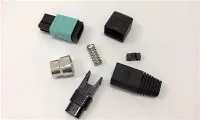
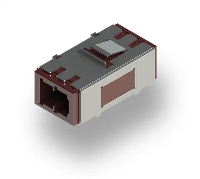
As a supplier of Fiber Optic FC Adaptors, I've been frequently asked about the impact of static electricity on these crucial components. In this blog, I'll delve into the science behind static electricity and its potential effects on Fiber Optic FC Adaptors.
Understanding Static Electricity
Static electricity is an imbalance of electric charges within or on the surface of a material. It occurs when two different materials come into contact and then separate, causing electrons to transfer from one material to the other. This results in one material becoming positively charged and the other negatively charged. Common situations where static electricity can build up include walking across a carpet, removing a sweater, or handling plastic materials.
The charge can accumulate to a significant level, and when the charged object comes close to a conductor or another object with an opposite charge, a sudden discharge occurs. This discharge can be as small as a harmless spark when you touch a doorknob or as powerful as a lightning strike.
Fiber Optic FC Adaptors: An Overview
Fiber Optic FC Adaptors are essential components in fiber optic communication systems. They are used to connect two FC-terminated fiber optic cables or devices, allowing the seamless transmission of light signals. The FC (Ferrule Connector) design features a threaded coupling mechanism, which provides a secure and stable connection.
These adaptors are designed to maintain the integrity of the optical signal, minimizing signal loss and ensuring high - quality data transmission. They are widely used in various applications, such as telecommunications, data centers, and local area networks. You can find more information about Fiber Optic Fc Adaptor on our website.
How Static Electricity Can Affect Fiber Optic FC Adaptors
Physical Damage
One of the primary ways static electricity can impact Fiber Optic FC Adaptors is through physical damage. When a static discharge occurs near the adaptor, the sudden flow of electrons can generate a high - energy pulse. This pulse can cause mechanical damage to the delicate components of the adaptor, such as the ferrule and the ceramic sleeve.
The ferrule, which holds the fiber optic cable in place, is typically made of a brittle material like zirconia. A strong static discharge can crack or chip the ferrule, leading to misalignment of the fiber and increased signal loss. Similarly, the ceramic sleeve, which aligns the ferrules of two connected cables, can also be damaged, affecting the overall performance of the adaptor.
Contamination
Static electricity can also attract dust and other contaminants to the surface of the Fiber Optic FC Adaptor. The charged adaptor acts like a magnet, pulling in tiny particles from the surrounding environment. These contaminants can accumulate on the end - face of the ferrule, blocking the transmission of light signals.
Even a small amount of dust or debris on the ferrule end - face can cause significant signal attenuation. For example, a single particle of dust can scatter the light beam, reducing the intensity of the signal reaching the receiver. This can result in data errors, slow transmission speeds, and even complete signal loss in severe cases.
Electrical Interference
In some cases, static electricity can cause electrical interference in the fiber optic system. Although fiber optic cables transmit data using light rather than electricity, the electronic components associated with the adaptor, such as the transceivers and connectors, can be affected by static charges.
A static discharge can induce electrical noise in the system, which can interfere with the proper functioning of the electronic components. This interference can manifest as increased bit - error rates, signal distortion, or intermittent connectivity issues.
Preventing Static Electricity Damage
Proper Handling Procedures
To minimize the risk of static electricity damage to Fiber Optic FC Adaptors, proper handling procedures should be followed. When handling the adaptors, it is recommended to wear anti - static gloves and work on an anti - static workbench. This helps to dissipate any static charges that may accumulate on your body or the work surface.
Before installing or removing an adaptor, it is also important to ground yourself by touching a grounded metal object. This ensures that any static charge on your body is safely discharged before coming into contact with the adaptor.
Environmental Control
Controlling the environment where the Fiber Optic FC Adaptors are stored and used is also crucial. Maintaining a low - humidity environment can help reduce the build - up of static electricity. Humidity levels between 40% and 60% are generally recommended to prevent static charge accumulation.
Additionally, keeping the area clean and free of dust can reduce the risk of contamination due to static attraction. Regular cleaning of the work area and the use of air filters can help maintain a clean environment for the adaptors.
Use of Anti - Static Packaging
When shipping or storing Fiber Optic FC Adaptors, anti - static packaging should be used. Anti - static bags and containers are designed to prevent static charges from building up on the surface of the adaptors. These packaging materials are made of conductive or dissipative materials that can safely discharge any static charges.
Comparison with Other Fiber Optic Couplers
It's interesting to compare the susceptibility of Fiber Optic FC Adaptors to static electricity with other types of fiber optic couplers, such as the Fiber Optic St Coupler and the Optical Fiber Adaptor Mtp / Mpo Adapter.


The ST (Straight - Tip) coupler, which uses a bayonet - style coupling mechanism, also faces similar risks from static electricity. However, its design may make it slightly more resistant to physical damage from static discharges compared to the FC adaptor, as the bayonet connection is less likely to be affected by mechanical shock caused by a static pulse.
On the other hand, MTP/MPO adapters, which are used for high - density fiber optic connections, are more complex in design and have multiple fibers in a single connector. This complexity makes them potentially more vulnerable to static - induced contamination and electrical interference. Each individual fiber within the MPO connector needs to be properly aligned and protected from static - related issues to ensure optimal performance.
Conclusion
In conclusion, static electricity can have a significant impact on the performance and lifespan of Fiber Optic FC Adaptors. Physical damage, contamination, and electrical interference are all potential consequences of static charges. However, by following proper handling procedures, controlling the environment, and using anti - static packaging, the risk of static electricity damage can be effectively minimized.
As a supplier of Fiber Optic FC Adaptors, we are committed to providing high - quality products and ensuring that our customers are well - informed about the potential challenges and solutions related to static electricity. If you are in need of Fiber Optic FC Adaptors or have any questions about their performance and protection, please feel free to contact us for further discussion and procurement. We look forward to working with you to meet your fiber optic communication needs.
References
- "Fiber Optic Communication Systems" by Govind P. Agrawal
- "Handbook of Fiber Optic Data Communication" by John D. Crisp