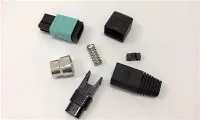
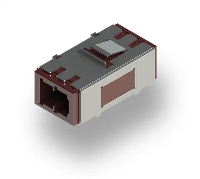
Fiber optic adapters play a crucial role in modern communication networks, enabling the seamless connection of fiber optic cables. As a supplier of fiber optic adapters, I often receive inquiries from customers about the ease of maintaining these essential components. In this blog post, I will delve into the topic of whether fiber optic adapters are easy to maintain, exploring the factors that influence their maintenance requirements and providing practical tips for ensuring their optimal performance.
Understanding Fiber Optic Adapters
Before discussing maintenance, it's important to have a basic understanding of fiber optic adapters. These devices are used to connect two fiber optic connectors, allowing light signals to pass from one cable to another. They come in various types, including MTP®/MPO, SC, and MTRJ, each designed to accommodate specific connector styles and applications.
- Mtp®/mpo-8/12/24 Black Fiber Optic Adapter/coupler with Flange, Key Up To Down: This type of adapter is commonly used in high-density applications, such as data centers and telecommunications networks. It features a black housing and a flange for easy installation. You can find more information about this adapter here.
- Fiber Optic Sc Adapter: The SC adapter is one of the most widely used fiber optic connectors due to its simple design and ease of use. It is often used in fiber-to-the-home (FTTH) and local area network (LAN) applications. Learn more about the SC adapter here.
- Fiber Optic Mtrj Adapter: The MTRJ adapter is a small, push-pull connector that is suitable for applications where space is limited. It is commonly used in desktop computers, laptops, and other small devices. Find out more about the MTRJ adapter here.
Factors Affecting Maintenance
The ease of maintaining fiber optic adapters depends on several factors, including the environment in which they are installed, the quality of the adapters, and the frequency of use.


- Environment: Fiber optic adapters are sensitive to dust, dirt, and moisture. If they are installed in a dirty or humid environment, they may require more frequent cleaning and maintenance. For example, adapters installed in industrial settings or outdoor locations may be exposed to more contaminants than those installed in clean indoor environments.
- Quality: The quality of the fiber optic adapters can also affect their maintenance requirements. High-quality adapters are typically more durable and less prone to damage, which means they may require less maintenance over time. When choosing fiber optic adapters, it's important to select products from reputable manufacturers that use high-quality materials and manufacturing processes.
- Frequency of Use: Adapters that are used frequently may require more maintenance than those that are used less often. For example, adapters in a busy data center may need to be cleaned and inspected more regularly than those in a less active network.
Maintenance Tips
Despite the potential challenges, fiber optic adapters are generally easy to maintain if proper care is taken. Here are some practical tips for maintaining fiber optic adapters:
- Regular Cleaning: One of the most important maintenance tasks for fiber optic adapters is regular cleaning. Dust and dirt can accumulate on the adapter's end faces, causing signal loss and degradation. To clean the adapters, use a lint-free cloth or a specialized fiber optic cleaning kit. Gently wipe the end faces of the adapters to remove any dirt or debris.
- Inspection: Regular inspection of the adapters is also essential for maintaining their performance. Check the adapters for any signs of damage, such as cracks, scratches, or loose connections. If you notice any damage, replace the adapter immediately to prevent further problems.
- Proper Installation: Proper installation of the fiber optic adapters is crucial for their long-term performance and reliability. Make sure the adapters are installed correctly and securely, following the manufacturer's instructions. Improper installation can lead to signal loss, increased insertion loss, and other problems.
- Protection: To prevent damage to the adapters, it's important to protect them from physical impact and environmental factors. Use protective caps or covers when the adapters are not in use, and avoid exposing them to extreme temperatures, humidity, or vibrations.
Conclusion
In conclusion, fiber optic adapters are generally easy to maintain if proper care is taken. By following the maintenance tips outlined in this blog post, you can ensure that your fiber optic adapters perform optimally and have a long lifespan. As a supplier of fiber optic adapters, I am committed to providing high-quality products and excellent customer service. If you have any questions about fiber optic adapter maintenance or would like to discuss your specific needs, please feel free to contact me. I look forward to working with you to meet your fiber optic connectivity requirements.
References
- Fiber Optic Association. (n.d.). Fiber Optic Connector Cleaning and Inspection. Retrieved from [Website URL]
- Corning Incorporated. (n.d.). Fiber Optic Connector Maintenance Best Practices. Retrieved from [Website URL]
- ITU-T. (n.d.). Recommendations for the Maintenance of Fiber Optic Networks. Retrieved from [Website URL]