Introduction
When dealing with computer networks, one of the most essential components is the cable. Without cables, computers wouldn''t be able to communicate with each other, and the internet wouldn''t exist. There are many different types of cables designed for different purposes, and one of the most common is the patch cable. In this article, we''ll take an in-depth look at patch cables, what they are, how they work, and when you should use them.
What is a Patch Cable?
A patch cable is a short length of cable used to connect electronic devices together. They are typically used to connect two nearby devices with the same type of connector, such as two computers or two switches. Patch cables can be made from a variety of materials, such as copper, fiber optics, or coaxial cable, depending on the needs of the specific application.
How Do Patch Cables Work?
Patch cables work by transmitting data signals between two devices. They are designed to be very simple and efficient, so they can carry data quickly and without any loss of quality. Patch cables are typically made with four twisted pairs of wires, which are arranged in a specific pattern to minimize interference and crosstalk.
The data signals travel down the wires inside the cable, which are shielded to prevent any outside interference. The wires are then terminated with connectors at either end, which are typically RJ45 connectors for Ethernet-based applications. The connectors are then plugged into the devices, creating a physical connection that allows data to flow between them.
When Should You Use a Patch Cable?
Patch cables can be used in a variety of different situations. They are typically used in small to medium-sized networks where devices are located in close proximity to each other. Here are some common use cases for patch cables:
1. Connecting Computers - Patch cables are commonly used to connect two computers together in a network. This can be useful in situations where files need to be transferred between the computers or where one computer needs to access resources on the other.
2. Connecting Switches - Patch cables can also be used to connect switches together in a network. This can be useful in situations where a network has more devices than can be connected to a single switch.
3. Connecting Routers - Patch cables are also commonly used to connect routers to switches or modems. This can be useful in situations where a network needs to be expanded or where different types of devices need to be connected.
4. VoIP Applications - Patch cables are commonly used in VoIP (Voice over Internet Protocol) applications, where they are used to connect IP phones to switches or routers.
5. Gaming and Multimedia - Patch cables can also be used to connect gaming consoles or multimedia devices to network switches. This can be useful in situations where these devices need to be connected to the internet or to other devices on the network.
Types of Patch Cables
There are several different types of patch cables, each designed for specific use cases. Here are some of the most common types:
1. Cat5e - Cat5e is one of the most common types of patch cables and is designed for Ethernet-based applications. It can transmit data at speeds of up to 1 Gbps and is capable of handling up to 100 MHz frequency.
2. Cat6 - Cat6 is a newer type of patch cable and is designed for faster data transmission over longer distances. It can transmit data at speeds of up to 10 Gbps and is capable of handling up to 250 MHz frequency.
3. Coaxial Cable - Coaxial cables are typically used for cable TV and cable internet applications. They have a copper conductor surrounded by a shielded braided wire, which helps to prevent interference.
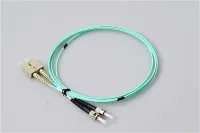
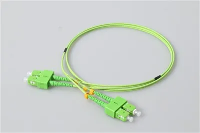
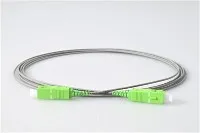
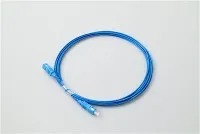
4. Fiber Optic Cable - Fiber optic cables are designed for long-distance data transmission. They use pulses of light to transmit data and can transmit data at speeds of up to 100 Gbps.
Conclusion
Patch cables are an essential component of computer networks. They are used to connect devices together and transmit data signals quickly and efficiently. There are several different types of patch cables, each designed for specific applications. By understanding the different types of patch cables and their uses, you can ensure that your network is working efficiently and effectively.