Introduction
Fiber optic connectors are an essential component in fiber optic technology. These connectors are used to connect fiber optic cables, ensuring a secure and reliable transmission of signals. They come in different types, each with its own unique characteristics. In this article, we will discuss what fiber optic connectors look like and the different types available in the market.
What is a Fiber Optic Connector?
A fiber optic connector is a device that connects two fiber optic cables together. It allows light to pass through the cables, transmitting data from one point to another. The connector comprises of a ferrule, cable, and a coupling mechanism.
The ferrule is a cylindrical part of the connector, which holds the fiber optic cable in place. The cable is inserted into the connector''s ferrule, and a coupling mechanism holds the connector in place. The coupling mechanism can be a screw-on or snap-on mechanism, depending on the type of connector.
What Do Fiber Optic Connectors Look Like?
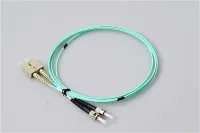
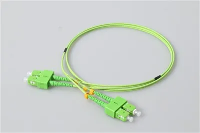
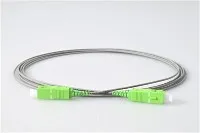
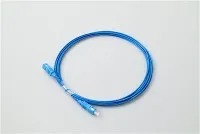
Fiber optic connectors come in different shapes and sizes, depending on the type of connector and its application. However, they all share some common features. Typically, a fiber optic connector comprises of a connector body, a ferrule, and a cable.
The connector body is the outer casing that holds the internal components of the connector. It can be made of metal or plastic, depending on the application. The ferrule is the cylindrical part that holds the fiber optic cable in place. It is usually made of ceramic, metal, or plastic.
The cable is the part of the connector that carries the fiber optic signal. Fiber optic cables are thin and delicate, and they require utmost care during handling and installation. They are usually colored blue, green, or yellow, depending on the type of cable and application.
Types of Fiber Optic Connectors
There are different types of fiber optic connectors available in the market. Each type has its own unique characteristics and applications. The most common types of fiber optic connectors include:
1. LC Connector
The LC connector is a small form factor connector that is widely used in single-mode and multimode applications. It uses a push-pull mechanism for easy insertion and removal of cables. The LC connector has a ferrule size of 1.25mm, making it suitable for high-density installations.
2. SC Connector
The SC connector is a square-shaped connector that is widely used in single-mode applications. It uses a push-pull mechanism for easy insertion and removal of cables. The SC connector has a ferrule size of 2.5mm, making it suitable for high-performance installations.
3. ST Connector
The ST connector is a round-shaped connector that is widely used in multimode applications. It uses a twist-on mechanism for easy insertion and removal of cables. The ST connector has a ferrule size of 2.5mm, making it suitable for high-density installations.
4. FC Connector
The FC connector is a round-shaped connector that is widely used in single-mode applications. It uses a screw-on mechanism for easy insertion and removal of cables. The FC connector has a ferrule size of 2.5mm, making it suitable for high-performance installations.
5. MTRJ Connector
The MTRJ connector is a small form factor connector that is widely used in multimode applications. It uses a push-pull mechanism for easy insertion and removal of cables. The MTRJ connector has a ferrule size of 1.25mm, making it suitable for high-density installations.
Conclusion
In conclusion, fiber optic connectors are an essential component in fiber optic technology. They come in different types, each with its own unique features and applications. A fiber optic connector comprises of a connector body, a ferrule, and a cable. The connector body is the outer casing that holds the internal components of the connector. The ferrule is the cylindrical part that holds the fiber optic cable in place. The cable is the part of the connector that carries the fiber optic signal. Knowing what fiber optic connectors look like is crucial in selecting the right connector for your application.