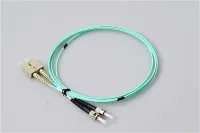
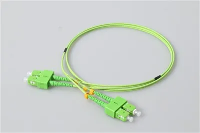
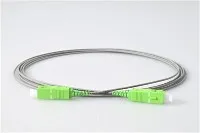
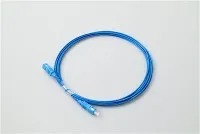
We all know that optical fiber jumper is a widely used equipment connection accessory in the field of optical communication. It can connect a variety of network equipment and devices with optical fiber interfaces, such as Optical module, adapter panel, distribution box, Wavelength-division multiplexing and demultiplexer, optical transceiver, etc. Below is a maintenance guide for fiber optic jumpers.
1. Clean fiber optic jumpers in a timely manner
The contamination of the connectors of fiber optic jumpers is an important cause of network failures, and the contamination of the fiber end face of the connectors with dust can lead to poor optical signal transmission quality. The main location for cleaning optical fibers is at the connector ports at both ends, and there are two main cleaning methods: dry cleaning and wet cleaning. Commonly used dry cleaners include cassette type fiber optic cleaning boxes and one click cleaning pens, while wet cleaners have dust-free wiping paper, cleaning sticks, etc.
2. Properly store fiber optic jumpers
Regardless of whether the fiber optic jumper is in use or not, do not excessively bend or stretch it. Some damages caused by bending are visible to the naked eye, however, in some cases, the losses may not be easily determined, such as micro deformation of optical fibers caused by ultra-low temperatures, millimeter level displacement caused by defects in buffers or jackets, poor installation, or other factors. Due to the fact that such damage cannot be directly detected, it is often overlooked, and in the long run, it may cause even greater problems. To avoid further losses, we should pay attention to the following points:
(1) Do not bend fiber optic jumpers beyond their minimum bending radius, especially in narrow spaces of high-density fiber optic wiring.
(2) Redesign fiber optic jumper paths with appropriate tools to protect cables from damage, such as horizontal cable racks.
(3) Do not collide with the fiber optic connector, as it may wear the end face and debris may puncture the skin. Therefore, it is recommended to put a dust cap on the jumper at any time.
(4) Optical time-domain reflectometer (OTDR) and optical fiber microscope can be used if equipment is required to detect and identify faults, such as damage and total attenuation inside the optical fiber jumper.