Is fiber optic Ethernet or Wi-Fi?
Fiber optic Internet has revolutionized the way we connect to the world. It has become an integral part of our daily lives, powering everything from our smartphones to our computers. However, there is often confusion about whether fiber optic connections fall under the category of Ethernet or Wi-Fi. In this article, we will explore the differences between fiber optic, Ethernet, and Wi-Fi and clarify the misconceptions surrounding them.
Understanding Fiber Optics
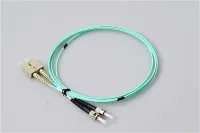
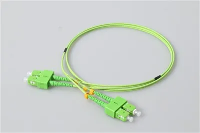
Fiber optic technology involves the transmission of data through thin strands of glass or plastic fibers. These fibers are designed to transmit light signals, allowing for high-speed data transfer. Fiber optic cables are known for their exceptional bandwidth capabilities and low latency. They are able to deliver an incredible amount of data quickly and efficiently, making them a preferred choice for high-demand applications.
The benefits of fiber optic Internet include faster upload and download speeds, increased reliability, and improved signal quality. It is important to note that fiber optic connections are typically used for long-distance communication, such as connecting cities or countries. Fiber optic cables can transmit data over long distances without losing signal strength, making them ideal for global communication networks.
Differentiating Ethernet and Wi-Fi
Ethernet and Wi-Fi, on the other hand, refer to different types of local area network (LAN) connections. LANs are networks that connect devices within a limited area, such as a home, office, or campus. Let''s delve deeper into understanding the distinctions between Ethernet and Wi-Fi.
Ethernet:
Ethernet is a wired connection that uses Ethernet cables to establish a wired network. These cables connect devices directly to a modem, router, or switch. Ethernet has been around for several decades and is widely regarded as a reliable and stable form of connection. It offers a secure and dedicated connection, ensuring faster and more consistent data transfer rates compared to wireless alternatives.
Ethernet connections come in varying speeds, with the most common standards being 10/100/1000 Mbps (megabits per second) or Gigabit Ethernet. With the advent of fiber optic technology, Ethernet over fiber has gained popularity due to its ability to deliver high-speed and long-distance connections.
Wi-Fi:
Wi-Fi, also known as Wireless Fidelity, is a wireless networking technology that enables devices to connect to the internet without the need for physical cables. Wi-Fi operates using radio waves, allowing devices to connect to a wireless access point (router) within a specific range.
While Wi-Fi offers the convenience of wireless connectivity, it does have limitations. The signal strength can be affected by physical obstructions, distance from the router, and interference from other devices. Additionally, Wi-Fi connections may experience slower speeds compared to Ethernet, particularly in crowded areas with numerous connected devices.
The Relationship between Fiber Optics, Ethernet, and Wi-Fi
Now that we have a clear understanding of each technology, it''s essential to recognize their relationship to one another. Fiber optic cables primarily serve as the backbone for long-distance communication. They connect cities, countries, and continents, enabling data to travel across vast distances.
Ethernet, whether delivered through copper or fiber optic cables, is the most reliable and fastest way to connect devices within a limited area. It ensures a dedicated and secure connection that is not susceptible to interference from neighboring networks or other external factors.
Wi-Fi, on the other hand, provides the benefits of wireless connectivity. It allows for mobility and flexibility, enabling devices to connect to the internet without being physically tethered to a router. Wi-Fi is commonly used in homes, offices, cafes, and other locations where wired connections are not feasible or desirable.
Choosing the Right Connection for Your Needs
Deciding whether to opt for fiber optic, Ethernet, or Wi-Fi depends on your specific requirements and environment. Here are some factors to consider when making your decision:
Bandwidth Requirements: If you require fast and high-bandwidth connections for applications like online gaming, streaming 4K videos, or transferring large files, fiber optic or Ethernet connections are the best options. They offer superior speeds and lower latency.
Distance: Consider the distance between devices and the router. Ethernet connections are preferred for short distances, as they ensure consistent and reliable signals. For devices that require mobility or connection over long distances, Wi-Fi is a more suitable choice.
Interference and Security: If you are concerned about interference from neighboring networks or require a secure connection, Ethernet is the best bet. It is less susceptible to interference and offers a private and dedicated connection. However, if convenience and mobility are more important, Wi-Fi can be a reliable option with proper security measures in place.
Cost: Fiber optic connections are usually more expensive to install compared to Ethernet or Wi-Fi. Consider your budget and weigh the cost against the benefits. Ethernet typically offers the most cost-effective option, especially for local connections.
In Conclusion
In conclusion, fiber optic technology is not synonymous with Ethernet or Wi-Fi. Fiber optics refer to the underlying infrastructure that allows for long-distance data transmission, while Ethernet and Wi-Fi pertain to different types of local connections.
Ethernet provides a reliable and stable wired connection, ideal for devices within a limited area. Wi-Fi enables wireless connectivity, providing the convenience of mobility but with potential limitations in speed and interference. Fiber optic technology can be used for both Ethernet and Wi-Fi connections, amplifying their capabilities for long-distance communication.
When deciding which connection is right for you, consider factors such as speed requirements, physical distance, potential interference, security, and cost. By understanding the distinctions between fiber optics, Ethernet, and Wi-Fi, you can make an informed decision and optimize your internet experience.